Mamdani Continues Crackdown On Illegal E-Motos With Brick-And-Mortar Sweep
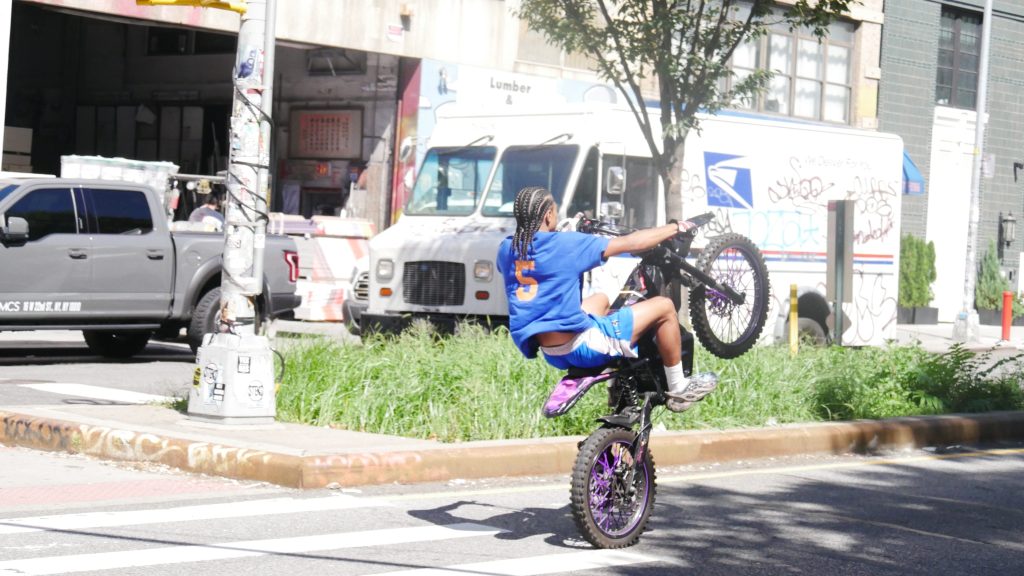
Dozens of businesses were hit with more than 130 violations for selling illegal e-bikes and scooters in a two-month enforcement blitz to protect consumers against fire-prone and overpowered micromobility devices.
Inspectors for the Department of Consumer and Worker Protection visited 229 retail shops across the five boroughs between Aug. 1 and Sept. 20 and found 136 individual violations that resulted in more than 75 summonses, each carrying a $1,000 fine. Three stores were shuttered.
“New Yorkers deserve to feel safe knowing that the devices they see in their communities meet the City’s safety requirements,” said DCWP Commissioner Sam Levine, whose agency ensures that stores sell only UL-certified e-bikes and batteries, display e-bike fire safety materials in their storefronts, and don’t sell illegal e-motos and scooters that have too much power and speed capability. “Our citywide sweep sends a clear message that businesses cannot put New Yorkers at risk just to make a profit.”
In addition to the three closures, Levine’s agency worked with another five shops to bring them into compliance with the law, the agency said. Stores remain closed until all outstanding fines are paid to DCWP, the department said.
Since e-bikes and scooters started growing in popularity during the pandemic there has been misplaced ire from politicians. Confusion over which devices are legal on city streets and bike lanes led to a fervent backlash to all electric bikes.
E-scooters are illegal in New York City if they exceed 20 miles per hour or weigh more than 100 pounds. E-bikes are legal if their motors don’t exceed 750 watts and their top speed is 25 mph.
The law defines a “motorized scooter” as a two-wheeled powered device that can’t be registered with the Department of Motor Vehicles, like, say a legal moped, and also doesn’t fit the city’s street-legal definitions of an e-bike or stand-up scooter. DCWP can give summonses to businesses selling these out-of-class devices, known as e-motos.
These devices, which far exceed the city’s limits for power and speed, are often sold online and in stores as legal devices.
But the tides are shifting. Two high–profile deaths involving New Yorkers riding non-street-legal e-motos and scooters sparked long-overdue action from city and state politicians.
In August, the city Law Department sent cease-and-desist letters to 42 online retailers selling the so-called e-motos, which are illegal to ride on city streets and bike lanes.
The cease-and-desists brought large retailers like Amazon, Temu, and Walmart into compliance. Such companies now block orders by geography so consumers can’t ship these devices to their New York City homes. But many small direct to consumer brands are still shipping flagrantly illegal e-motos and scooters and marketing them for city use. Aniioki, a brand that Streetsblog sees out on the streets daily, sells bikes online that can hit over 50 miles per hour.
DCWP said it also issued more than 85 cease-and-desist orders and 41 summonses to online sellers for battery safety violations.
And in July, Attorney General Letitia James issued a consumer alert to warn perspective buyers of the shady market. So far her office has received three relevant complaints.
State lawmakers are also pushing legislation to officially bar the sale of e-motos online and in stores, closing a loophole that has allowed retailers to sell devices that are illegal to ride on roadways but are legal to own for private use.
State Sen. Kristen Gonzalez (D-Long Island City) introduced the bill to establish a clear definition for these overpowered vehicles, and explicitly prohibit companies from not only selling them, but from falsely advertising them as legal, a common practice that results in unsuspecting consumers purchasing devices they can’t legally use.