Illegal E-Motos Still Being Shipped To NYC Despite Mamdani Cease-And-Desist Deadline

What part of “cease and desist” don’t they understand?
Massive online retailers Facebook Marketplace and Craigslist are defying a Mamdani order to stop selling dangerous and illegal e-motos and scooters to New York City customers — and the administration is preparing to take the rogues to court.
A review of the offerings on both retail giants showed that both continue to promote listings of illegal e-motos and scooters — despite an Aug. 5 cease-and-desist letter sent by the Mamdani administration to 42 retailers accused of selling illegal two-wheeled electric vehicles. At the time, Mayor Mamdani set an Aug. 18 deadline to comply, or risk a fine of up to $2,000 per device sold.
Streetsblog’s review found that around 19 of the 42 companies — including Amazon and Walmart — have stopped shipping to city addresses. But major resale marketplaces, like Facebook, still have many listings for illegal devices.
“Facebook basically does not feel that the laws in New York City apply to them,” said Baruch Herzfeld, co-founder of PopWheels, a certified e-bike battery swapping company. “This is an existing statute that has been on the books. When I check my Facebook in the morning, I see who liked my Talmud comics, who likes the pictures of my kid, and 10 new illegal bikes that Mark Zuckerberg thinks that I would like.”
Alibaba and Craigslist also still list the illegal devices, as well as a handful of direct-to-consumer brands. Notably, Movcan, Deepower, and Teverun, three brands used in fatal crashes in the city, still appear to be selling to New York City addresses.
Some smaller direct-sale brands are manually cancelling orders that come in from New York because they are still working on blocking sales in the back-end, according to a representative for one of the companies, Speedway Riders NYC. Despite having “NYC” in the name, Phil Morales, the owner, said he doesn’t sell many devices to the city anyways, and is based in Austin, the Texas capital.
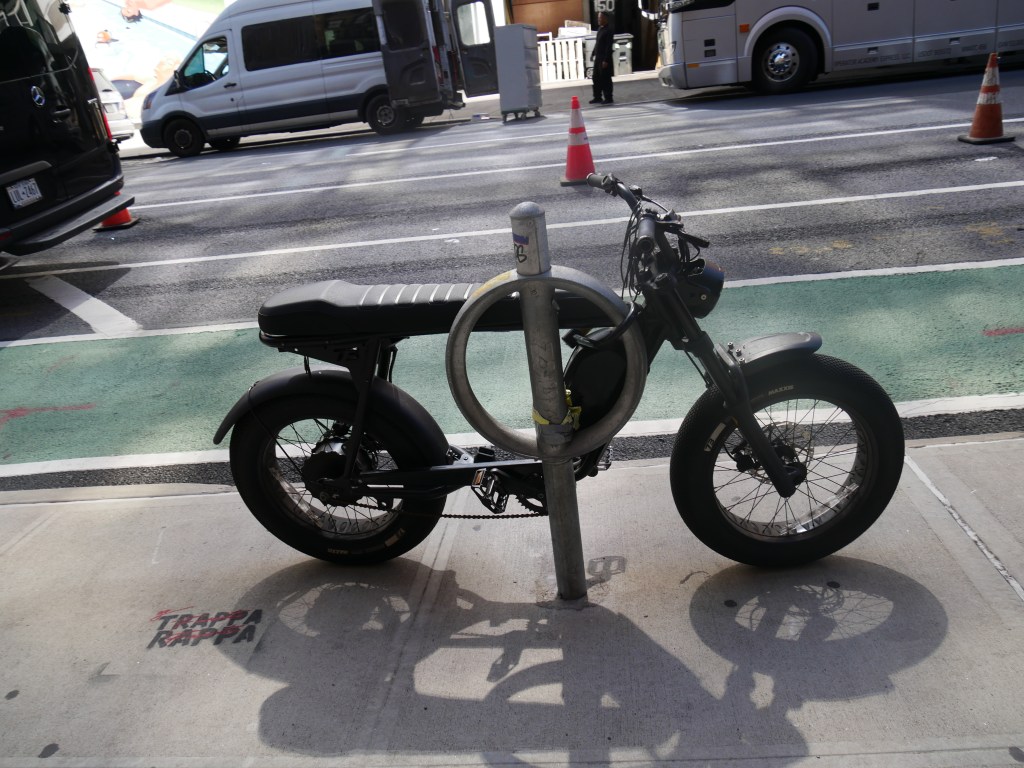
Fines have not yet gone out to the holdouts because the Mamdani administration is trying to engage the non-compliant companies.
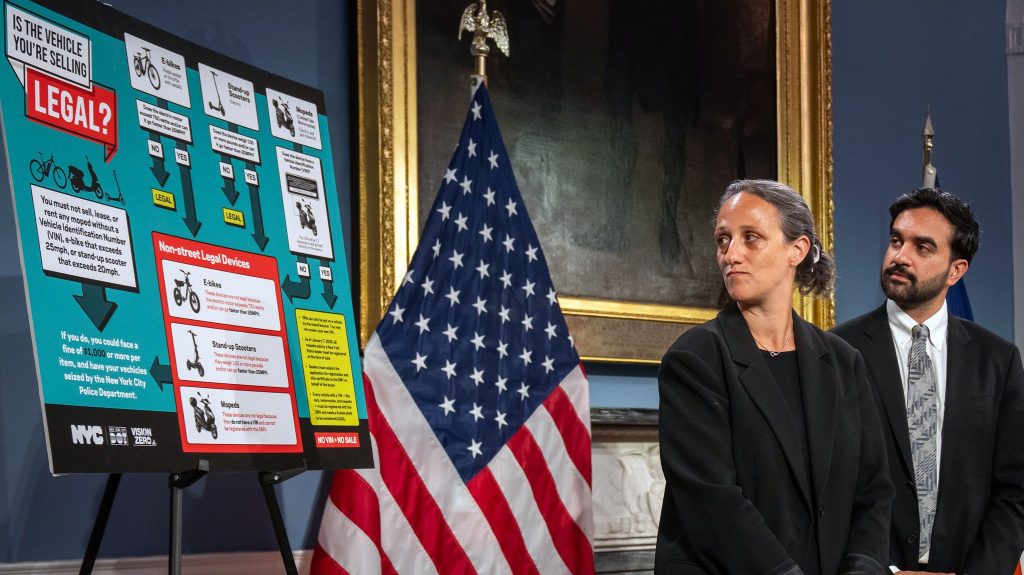
“We are engaged in compliance-related discussions with more than 10 of the largest platforms, all of whom have expressed a desire to cooperate,” said City Hall spokesperson Jeremy Edwards. “As these conversations continue, we are concurrently preparing to take further action against companies that have yet to comply and/or have not shown good faith efforts to come into compliance.”
The administration didn’t identify the companies in question. But another city official told Streetsblog that the process of bringing an entire industry into compliance is complex, and cease-and-desist letters are just a first step to a dialogue. Most companies want to comply with the necessary regulations, he said, and the city wants to capitalize on that goodwill.
When the city first announced its latest campaign of sternly written letters, the Department of Transportation said it came up with the list by compiling all the devices riders were on when they died in a traffic crash dating back to 2017 and then figured out where those illegal devices were being sold online. The city then targeted the direct-to-consumer brands, and the big retailers, like Amazon, which sell the smaller brands.
One policy expert in the transportation space praised the city’s efforts.
“I love what New York is doing here; more cities should be taking note,” said Cooper Lohr, a senior policy analyst at Consumer Reports. “The strategy of operating in good faith and working with those that haven’t come into compliance yet — I think that’s fair.”
But Lohr added that staying on top of it means not being afraid to dole out the necessary penalties, and even sue. “If they have communicated multiple times and nothing’s happened, the next step should be a fine, or if it gets to that point a lawsuit,” said Lohr.
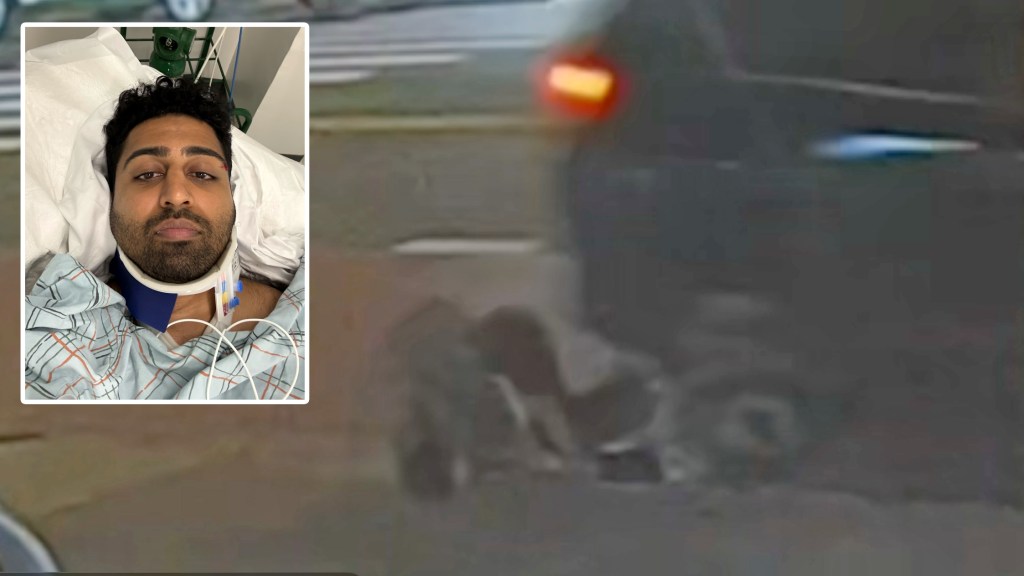
Mamdani’s efforts come after two high-profile fatal crashes involving already-illegal devices. On May 28, Dmytro Stechenko, a cyclist heading back to Queens from a morning ride in Central Park, collided head on with Francis Del Valle who rode an illegal Teverun electric standup scooter that can reach 50 miles per hour. Both men died.
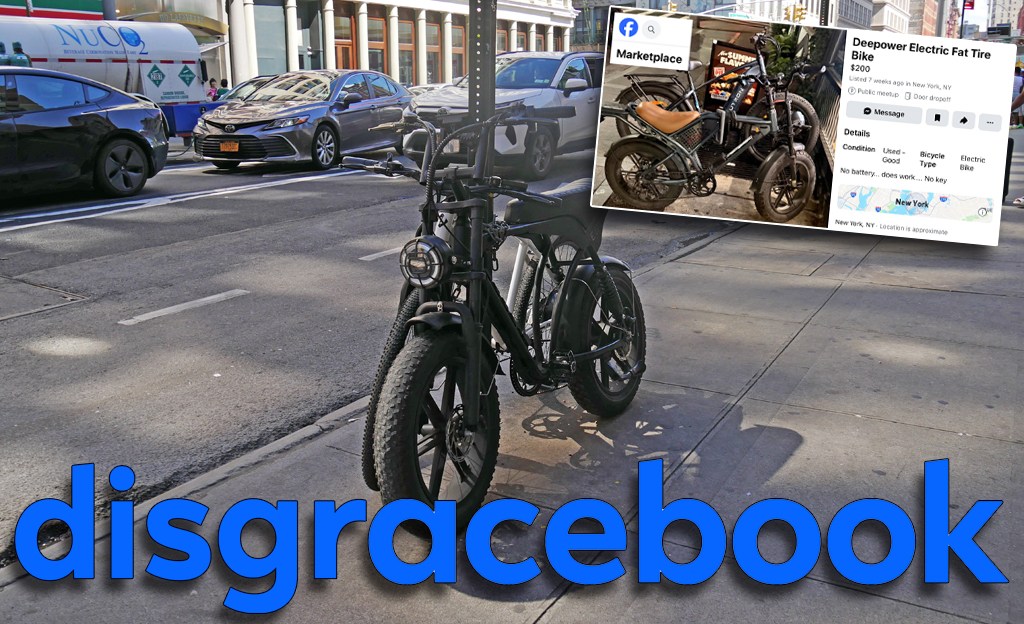
And on July 29, 17-year-old Gabriel Nacato died on his commute into the city from Brooklyn aboard a Deepower e-moto that is not legal to operate in the bike lane or the street. The e-moto, a cheaply made direct-to-consumer model, had manual brakes, not the hydraulic brakes that would be necessary with that kind of speed, power, and weight.
Currently, there is a Facebook Marketplace listing for the same bike as Nacato’s, for $200. The city official acknowledged that resale platforms like Facebook Marketplace are harder to rein in. But it’s not impossible.
“If you’re able to cut off the source, if you can successfully get these products off the street or are doing more to regulate then you are going to see less of them sold on places like Facebook. That’s going to take a while though,” said Lohr. “In the meantime Facebook should be doing as much as they can to regulate what is being sold on their marketplaces.”
Consumer Reports is pushing for a federal bill called the Safe SPEEDS Act, cosponsored by Reps. Mike Lawler (R-N.Y.), Jared Huffman (D-Calif.), Brian Fitzpatrick (R-Penn.), Dan Goldman (D-New York), and Vern Buchanan (R-Fla.). If passed, the law would force the U.S. Consumer Product Safety Commission to develop clear federal safety standards for e-bikes, e-motos, and other e-micromobility. This would help cut off the illegal vehicles from being imported into the country at all.
“We are barely on step one here, we are so far behind. You can even argue what New York did here was long overdue, we are just playing catch up,” said Lohr.
Note: Streetsblog contacted every retailer on the city’s list that appeared to still sell the illegal devices in the city. We will update this story if more get back to us informing us they are cancelling orders.
A previous version of this story stated that Temu had not complied with the order, a company representative confirmed that they are blocking the sale of illegal devices in certain zip codes.

Read More:
Streetsblog has migrated to a new comment system. New commenters can register directly in the comments section of any article. Returning commenters: your previous comments and display name have been preserved, but you'll need to reclaim your account by clicking "Forgot your password?" on the sign-in form, entering your email, and following the verification link to set a new password — this is required because passwords could not be carried over during the migration. For questions, contact tips@streetsblog.org.