Mamdani Moves to Ban ‘Scam’ Delivery App Motoclick For Underpaying Workers
Mayor Mamdani wants to ban the “scam” food delivery platform Motoclick after it admitted to paying workers less than a quarter of New York City’s required delivery worker minimum wage, city officials told a federal judge on Wednesday.
Motoclick self-reported paying workers as little as $1.82 per hour in April and between $3.67 and $4.67 in May — far less than the minimum pay rate of $22.13, city officials revealed in court filings submitted as part of an ongoing federal lawsuit against the company and its CEO, Juan Pablo Salinas Salek.
“Paying hardworking delivery workers as little as three to four dollars an hour is not only morally wrong, it’s illegal,” the city’s top lawyer and Corporation Counsel Steve Banks said in a statement. “As our legal action makes clear, the city of New York will not tolerate companies that abuse their workers and violate our local laws.”
Motoclick, a so-called “business-to-business” delivery service, recruits restaurants as clients and provides its fleet of bike-riding delivery workers to fulfill orders placed through other apps. The company’s website says it is “integrated” with Uber Eats, DoorDash, Grubhub, and Delivery.com.
The Mamdani administration sued Motoclick and Salek in January after a years-long investigation by the Department of Consumer and Worker Protection under former Mayor Eric Adams. The city began investigating February 2024 after receiving complaints about violations of the minimum wage laws from over 20 workers.
With Motoclick now admitting to underpaying its workers, the Mamdani administration on Wednesday asked a federal judge to halt the company from doing business in the city at all pending the results of the city’s lawsuit.
“Flouting the law and illegally underpaying workers is simply unacceptable,” DCWP Commissioner Samuel Levine said in a statement. “DCWP is taking immediate action to shut Motoclick down unless and until it comes into compliance. New York will not allow this company to continue underpaying New Yorkers.”
Motoclick’s model is similar to that of now-defunct delivery app Relay, which Grubhub contracted to avoid paying the minimum pay standard for delivery workers in 2024. Motoclick uses “self delivery” options offered to restaurants by bigger apps like Uber Eats, Grubhub and DoorDash to offer eateries a lower cost delivery option.
In its suit, DCWP accused Salek of running “a scam that targets and steals from immigrant workers.” Beginning in April 2022, Salek used WhatsApp to personally recruit Spanish-speaking immigrants, then stole their tips and earnings while failing to pay them minimum wage, the city alleged.
Workers who signed up with Salek would then get assigned orders through the “Moto Driver” app or through WhatsApp. Workers had to accept deliveries before knowing how much they would get paid or how far they would have to travel, in violation of the city’s delivery worker laws, the city alleged.
As of Tuesday afternoon, Motoclick still listed the WhatsApp number on its website. The company’s Instagram feed included frequent posts with Spanish-language AI-generated video content directing workers to WhatsApp.
Motoclick also deducted fees from workers, included $10 deductions for cancelled orders, leaving some with a negative balance with the company, according to the lawsuit.
A February 2024 letter from DCWP to the company went unanswered for nine months before Motoclick Assistant Manager Paula Salek finally responded and claimed not to know about the city’s minimum pay standard, the city said.
Motoclick and Salek deny the allegations, and insisted in their court filings that the minimum wage law is unconstitutional — an argument that has already failed several times over in court cases involving other app companies.
Salek founded Motoclick parent company Patio Delivery Inc. in 2015 and incorporated the firm in New York City as “Motoclick” in 2021, according to court filings.
Levine’s cash-strapped DCWP has gone all out against app companies, taking action against delivery apps Fantuan, Hungry Panda to win $9.3 million in restitution for workers. Mamdani also launched a delivery worker safety training coupled with a stern letter to industry players about compliance.
App companies, for their part, spent millions last year on campaigns for City Council and in support of Mamdani’s chief mayoral opponent Andrew Cuomo.
The city’s regulations have survived several legal challenges, forcing apps to pay workers a minimum pay standard and provide more transparency
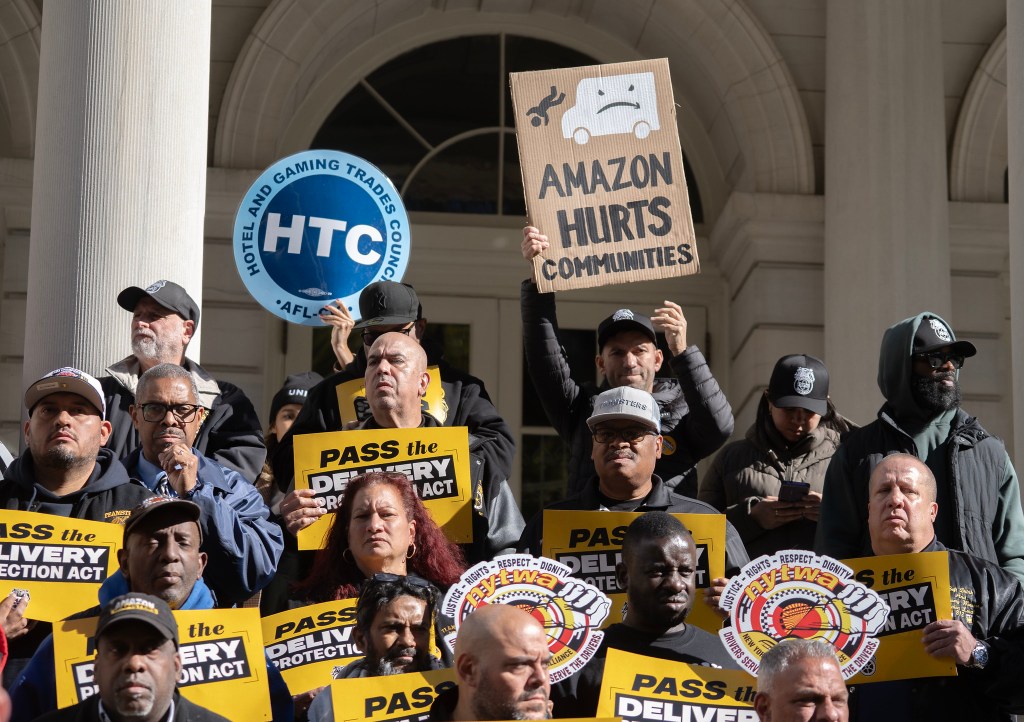
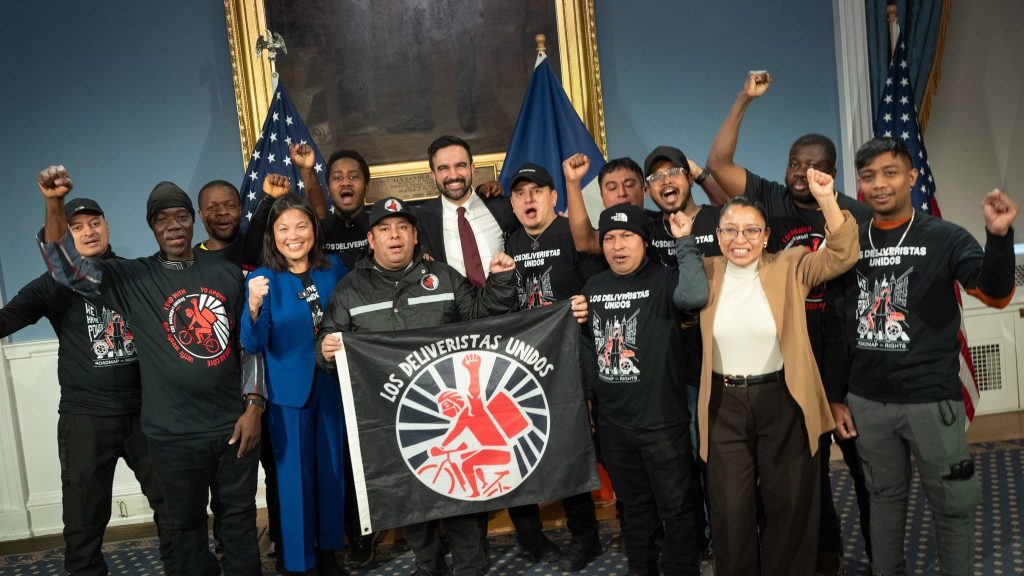
“We are grateful to Commissioner Levine, the Department of Consumer and Worker Protection and the city Law Department for taking decisive action to hold Motoclick accountable for some of the most brazen alleged wage theft we have seen in this industry,” said Ligia Guallpa, executive director of Worker’s Justice Project and a cofounder of Los Deliveristas Unidos, which organized workers to fight for the minimum pay standard law. “No worker should be earning three or four dollars an hour while delivery companies profit from their labor.”
Following publication of this story, a rep for company told Streetsblog via text that the company had filed its wage data incorrectly.
“We incorrectly filed it, can’t go into detail. By Friday we will have it ready with clear explanations on our mistakes,” the rep said. “We are not paying our drivers 4$ per hour, I have NO clue where they got that. 4$ is probably what we paid excluding tip for a 8 minute trip.”

Read More:
Streetsblog has migrated to a new comment system. New commenters can register directly in the comments section of any article. Returning commenters: your previous comments and display name have been preserved, but you'll need to reclaim your account by clicking "Forgot your password?" on the sign-in form, entering your email, and following the verification link to set a new password — this is required because passwords could not be carried over during the migration. For questions, contact tips@streetsblog.org.