Mamdani Stands By NYPD’s ‘Overkill’ In Policing Summer Streets
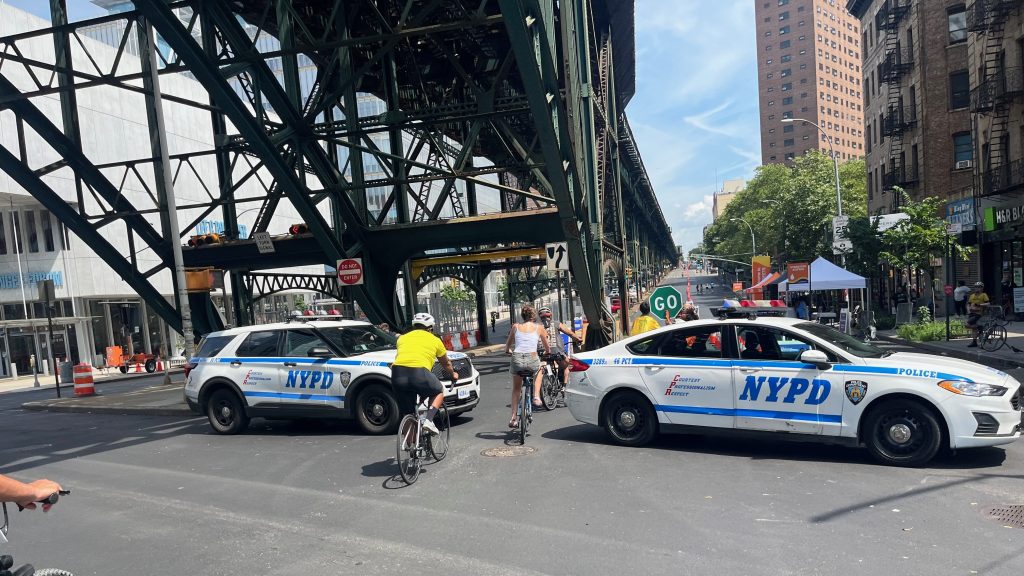
The NYPD’s justification for choking this weekend’s car-free Summer Streets with patrol vehicles didn’t add up on Monday as Mayor Mamdani defended Commissioner Jessica Tisch’s heavy-handed approach that hadn’t been deployed previously even after actual terror attacks.
Police officials claimed they created narrow chokepoints at intersections along the car-free route in order to deter possible terror attacks involving vehicles.
But this isn’t the first year where a high-profile ramming attack preceded an open streets event. Last year, for instance, there was a high-profile ramming in another major American city one week before the start of Summer Streets — yet the NYPD felt no need to deploy their cars on the streets.
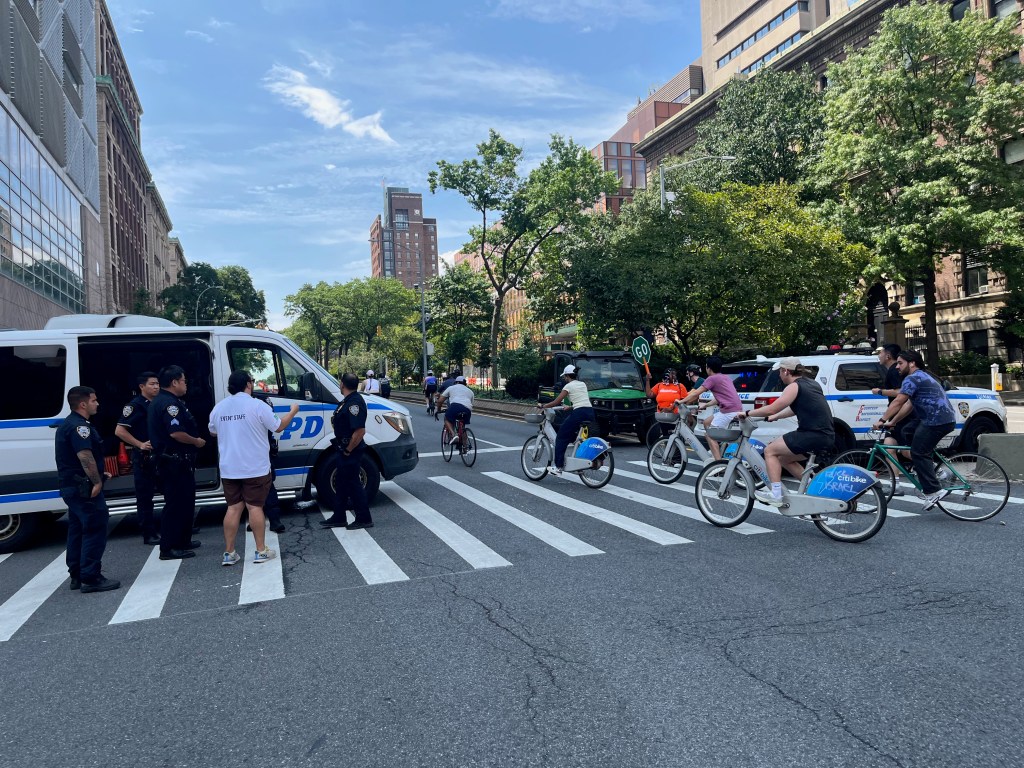
Neither City Hall nor NYPD would say why the supposed threat of vehicle rammings necessitated creating dangerous chokepoints for Summer Streets participants — what even one cop on the scene on Saturday called “overkill.” Mayor Mamdani declined to criticize the NYPD’s unprecedented car-first approach, while defending the department’s controversial approach to policing large public events since he took office.
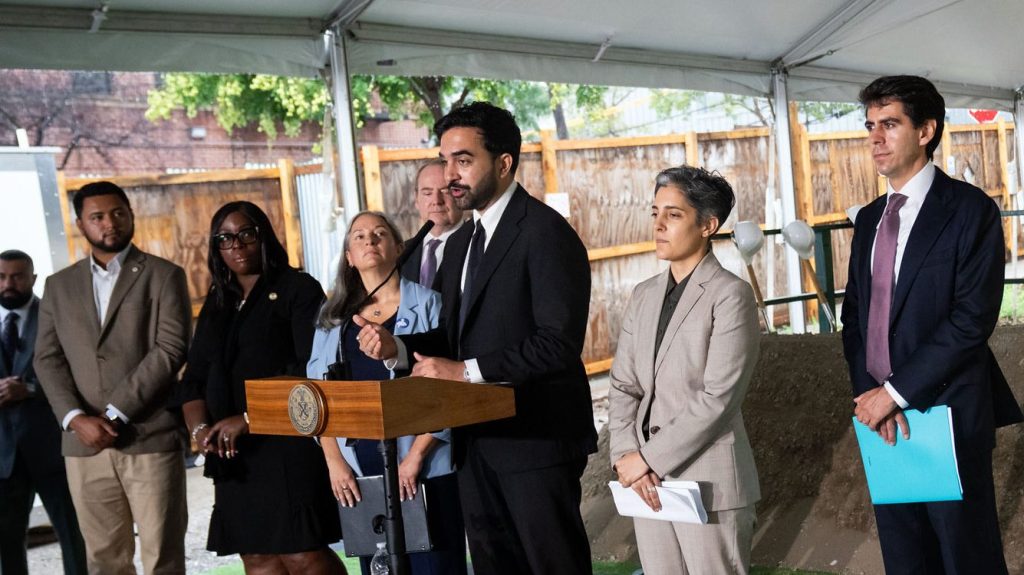
“I will follow up on the reporting around Summer Streets. I’m not yet aware of that article from Streetsblog,” Hizzoner said at a housing event in the Bronx. “However, what I would say is, we want to ensure that New Yorkers are safe in all of these moments and we also want to ensure that New Yorkers can enjoy themselves and celebrate. And that was also one of the real focuses that we had over the course of this summer, and we most recently saw it during the World Cup.”
NYPD and City Hall declined to answer specific questions about the decision, which a spokesman for the mayor said the two prongs of city government “discussed in advance.”
The Department of Transportation declined to answer questions about the restraints put on its signature summer event.
The NYPD’s press unit refused to answer questions about the overtime costs and other costs of Saturday’s over-policing.
Summer Streets began under former Mayor Mike Bloomberg in 2008, and has expanded significantly since. One city webpage describes the event, which closes portions of major roadways to vehicles, as an “annual celebration of New York City’s most valuable public space – our streets.”
Saturday’s event was the first of three car-free Summer Streets days this month in Manhattan. In previous years, the NYPD ensured safety at the much-loved event by putting patrol officers, on select street corners rather than using squad cars and personal vehicles to restrict movement.
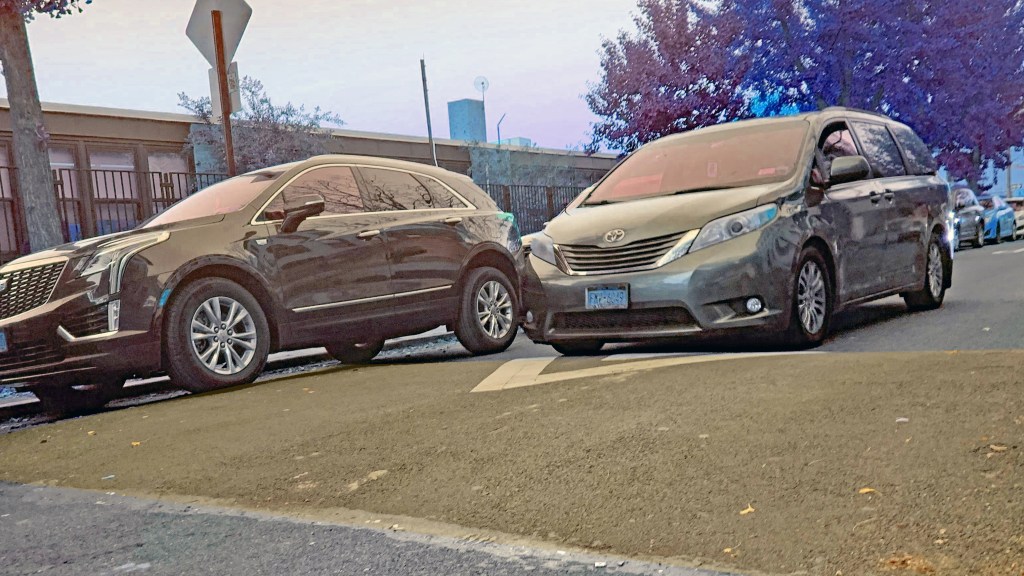
Attendees were outraged to find police cars taking up space on a rare day of open streets.
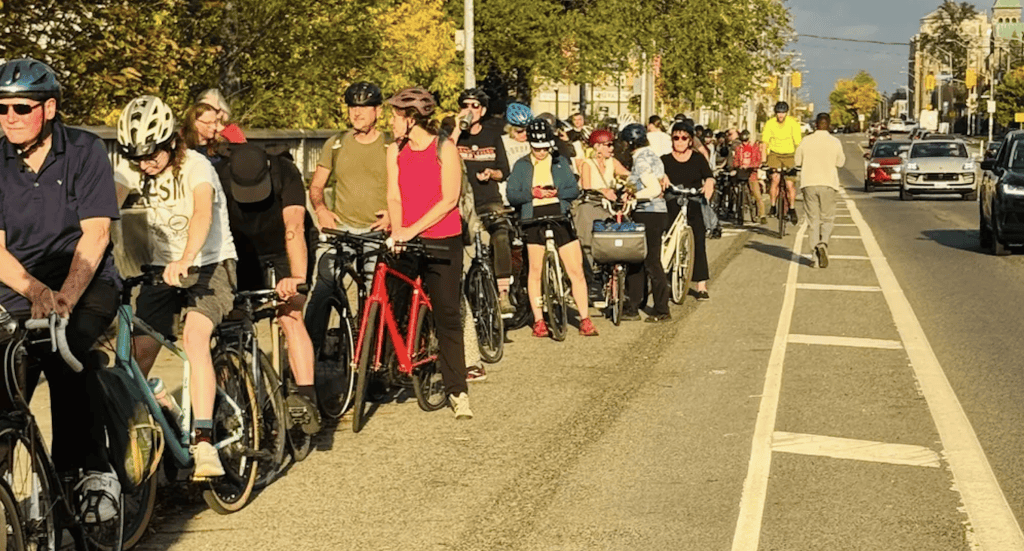
“It was more dangerous than normal biking in the bike lanes,” one online user wrote in one of at least 40 posts or comments complaining about the placement of police cars during the event that were identified on Monday by Streetsblog.
The police department claimed to Streetsblog on Sunday that it was responding to a “a rise in terror attacks” involving vehicle rammings. But these attacks have been a common threat for decades. And the agency did not publicly discuss any specific threat this year.
Last year, for example, a driver attacked a crowd waiting outside a theater in Los Angeles one week before the first Summer Streets event. The attack injured 30 people.
But no blocker vehicles were placed in the open streets.
In 2017, a driver rammed his car into a crowd in Times Square, killing one person and injuring 20. Following the patrol-car-free Summer Streets a few months later, a driver armed with a rental truck killed eight people and injured 13 more that October after he drove at least a mile down the Hudson River Park.
The city installed bollards to protect greenway-goers after the 2017 attack, but it did not place cop cars in at Summer Streets events that summer.
During his campaign for the mayoralty, then-Assembly Member Mamdani promised to expand the city’s Open Streets programs. “I would explore a regular pedestrianization program on Sundays and holidays, taking inspiration from Bogota and Mexico City,” he wrote in his response to Streetsblog’s candidate survey.
But despite Mamdani touting new funding for the program earlier this year, Summer Streets 2026 covers more or less the same distances as Summer Streets 2025.
The parked cars marked a step back from the city’s ambitious efforts earlier this summer: NYPD kicked cars out of Lower Manhattan for the Knicks parade in June to create one of the most joyous events in recent memory — the result was a grand public space below Canal Street.
Yet when it came time to hold the car-free Summer Streets, the NYPD brought cars back … and ruined it, critics said.
“This malicious security NYPD Is doing is designed to trying to suffocate Summer Streets by making it no fun to participate for people,” said Manhattan safe streets advocate Chris Sanders. “Everyone is on edge worrying about accidentally triggering the NYPD when peeps are just there to have fun and get a reprieve from cars and chaos.”
Edwards said that there were no reported injuries or incidents on Saturday.
“Thanks to the hard work of the people at DOT and NYPD, an estimated 500,000 New York City residents and visitors were able to safely enjoy Summer Streets,” Edwards said, “with no major incidents reported.”
This story has been updated to include an additional comment from Edwards.

Read More:
Streetsblog has migrated to a new comment system. New commenters can register directly in the comments section of any article. Returning commenters: your previous comments and display name have been preserved, but you'll need to reclaim your account by clicking "Forgot your password?" on the sign-in form, entering your email, and following the verification link to set a new password — this is required because passwords could not be carried over during the migration. For questions, contact tips@streetsblog.org.