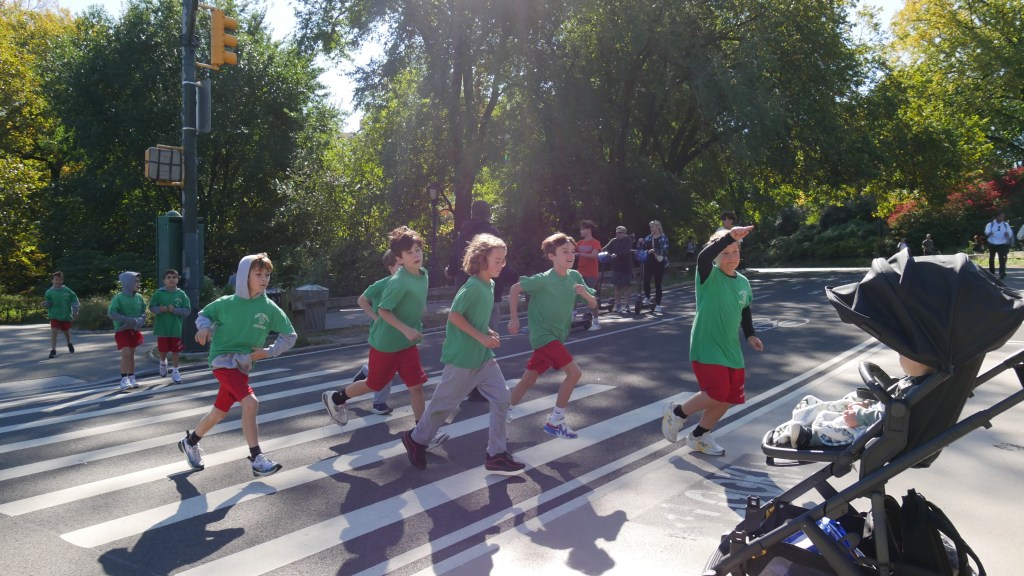
Mamdani Adds Funding for Open Streets As Organizers Press for More
More funding or MORE FUNDING?
Mayor Mamdani wants to increase Open Streets funding beyond what the Department of Transportation said it needed for the program at the tail end of the Adams administration — but open streets advocates wants the City Council to grow the program even more.
Mamdani’s budget contains a baseline funding of $6.4 million per year for Open Streets through Fiscal Year 2030. That funding ensures that DOT will have more than $5 million per year agency officials said last year that they needed to run the program at its current levels.
The money also gives the program four years of consistent funding from the city. Open Streets began with pandemic-era federal aid, but as that money ran out DOT and volunteers who run individual open streets scrambled to find ways to keep the program going.
In the final year of his administration, former Mayor Eric Adams gave $2.1 million to the program, but left it to his successor to figure out how to keep the program going. The reliance on dwindling pandemic aid and the lack of a guaranteed funding baseline clearly weighed on DOT management, as one high-level agency official recently told the City Council that a secure annual baseline allows DOT to know what it’s dealing with every year.
“We’re grateful that the funding is baselined so we’re not going year-to-year anymore and not knowing what’s coming up,” DOT Deputy Commissioner Eric Beaton told the City Council Transportation Committee at a hearing last month. “It’s an important investment for us to be able to plan.”
Mamdani campaigned on fully funding and expanding the open streets program during last year’s mayoral election.
After Adams put DOT in the position of begging advocates to bail them out of a budget mess, the agency celebrated Mamdani’s decision to give the program more funding.
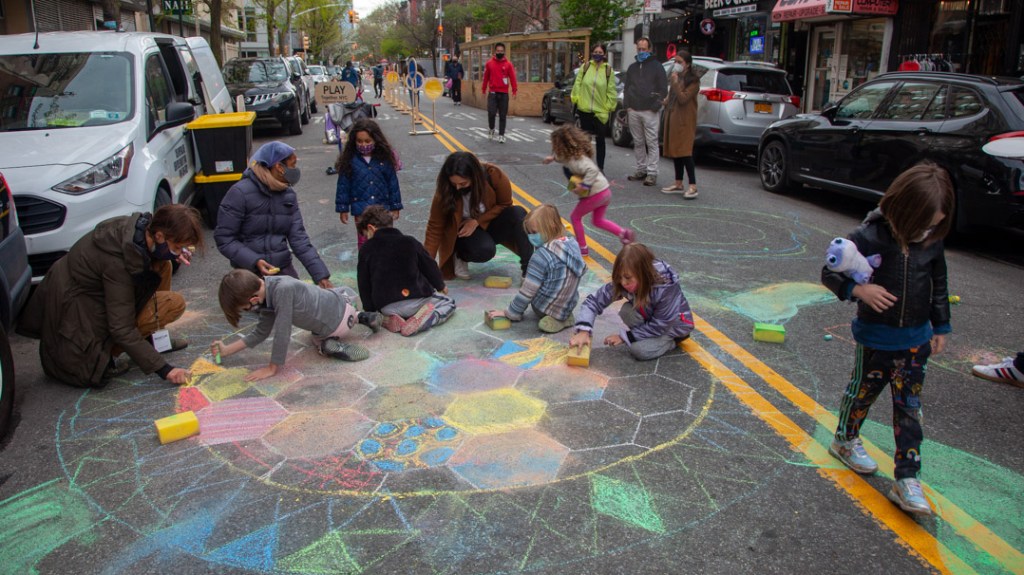
“Open Streets across the five boroughs transform city blocks into vibrant destinations that enrich communities, expand educational opportunities for students, and support local businesses,” said DOT spokesperson Will Livingston. “The Mamdani Administration is proud to champion this program that has fundamentally changed the way New Yorkers use our streets for the better.”
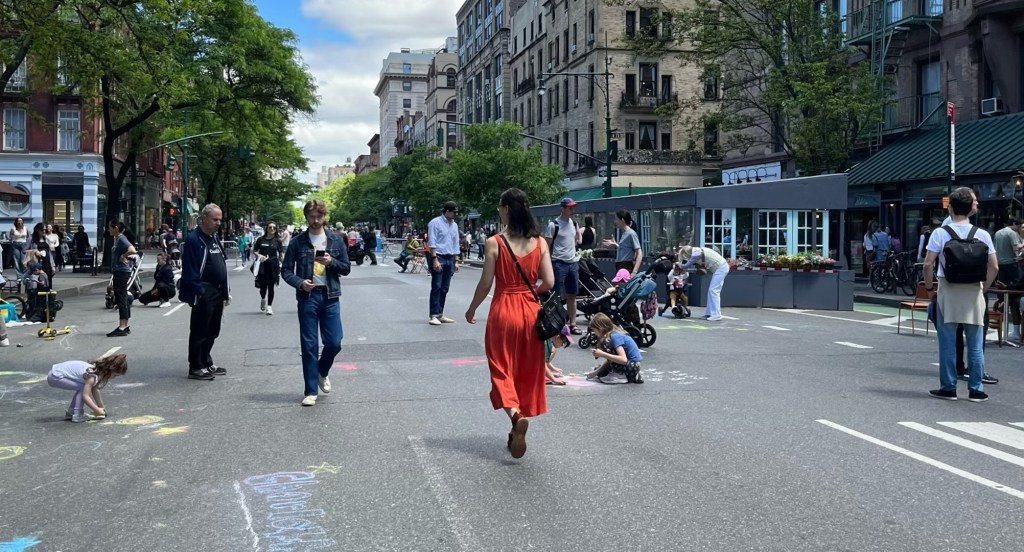
But open streets advocates want the city to grow the program, not just sustain it, with $48 million over three years.
“It’s an improvement from last year for sure, and good to see Mamdani administration doubling down on the program, but I think there’s still a ways to go to sustainably expand the program to all corners of the five boroughs,” said John Surico, chairperson of the 31st Avenue Open Street in Astoria.
At that hearing last month, DOT’s Beaton said that no one who wants to run an open street is turned away for a lack of funding. Knowing how much money to expect every year allows for DOT to plan to use that money in a way that keeps the streets going, he said.
The city has sought to make it easier to run an open street by partnering with the Citizens Committee for New York on a grant program that allows organizers to get reimbursed faster for open street-related expenses upfront as opposed to having to spend a season’s worth of a budget and then wait for reimbursements.
But as the overall footprint of open streets has shrunk over the years, organizers say they’re the ones keeping the program alive — and that they need more help.
“The program isn’t persisting because the city is investing in it, but because of the work volunteers around the city are doing to create vibrant car-free public spaces,” said Alex Morano, who helps run the Vanderbilt Avenue open street in Prospect Heights. “People may not be ‘turned away’ for funding reasons, but many people are unable to launch programs or are forced to scale back existing one because of very real funding constraints. New funding needs to translate into actual new resources for those of us organizing on the ground and be paired with a concerted effort from City Hall to make sure Open Streets expand and become a permanent part of city life.”
Open street organizers also make an economic case for super-charging the program.
A Department of City Planning study in 2024 found that commercial strips with open streets had fewer commercial vacancies than those without the car-free setups, and a report released by Comptroller Tom DiNapoli earlier this year found job growth on open streets was faster than on non-open street parts of the city.
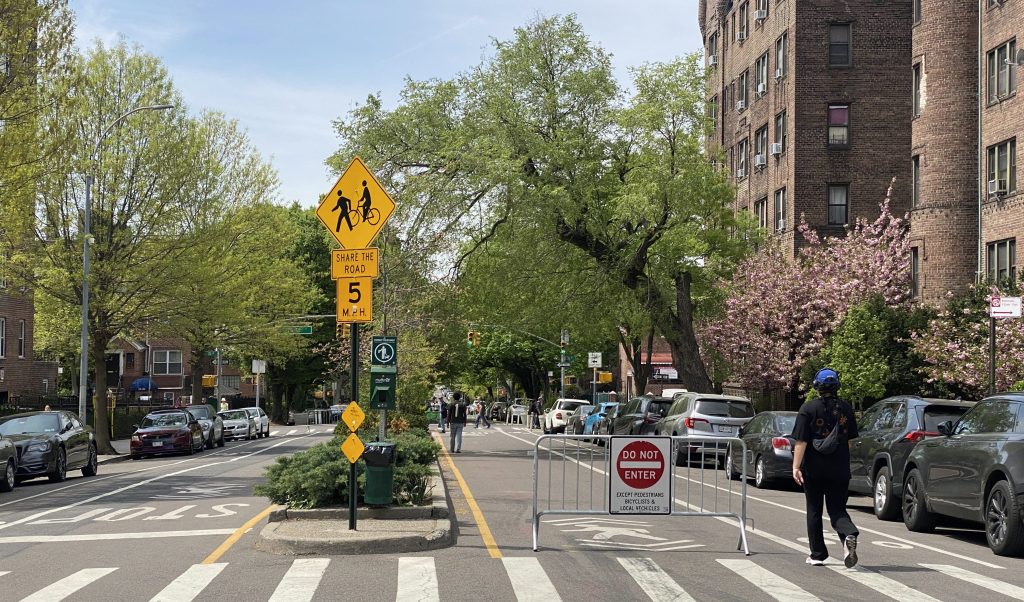
“We’re excited to see additional funding for Open Streets in the mayor’s budget, but great public spaces don’t magically manage themselves,” said Jackson Chabot, the advocacy director of Open Plans, a group that shares a parent organization with Streetsblog. “Sustained investment in public space management is what turns a street closure into a thriving community space. … Expanding public space management can create good local jobs while helping our streets and sidewalks thrive in communities across New York City.”
With an interest in keeping the pressure up, organizers from almost a dozen open streets sent a letter to the City Council Transportation and Infrastructure Committee asking committee members to push for three specific items during negotiations with the mayor:
- Keeping up the same $10 million per year support level for open streets in underserved communities that the city has contracted with The Horticultural Society of New York for the past three years,
- Raising the cap on direct funding for open street partners from $20,000 per year to $200,000 per year,
- Putting $100 million towards permanently redesigned open streets to create more thoroughfares like 31st Avenue and 34th Street in Queens.
Majority Leader Shaun Abreu, who chairs the Transportation Committee, said he supports the call for more funding.
“We must pursue greater investment in our Open Streets that provide the resources our public spaces need to thrive, supporting our small businesses and getting neighbors outside in the fresh air,” said Abreu in a statement. “Taken together, these efforts move us closer to the safe, accessible, and vibrant streets that New Yorkers deserve.”
Read More:
Streetsblog has migrated to a new comment system. New commenters can register directly in the comments section of any article. Returning commenters: your previous comments and display name have been preserved, but you'll need to reclaim your account by clicking "Forgot your password?" on the sign-in form, entering your email, and following the verification link to set a new password — this is required because passwords could not be carried over during the migration. For questions, contact tips@streetsblog.org.