It’s Official: Mexico City Eliminates Mandatory Parking Minimums

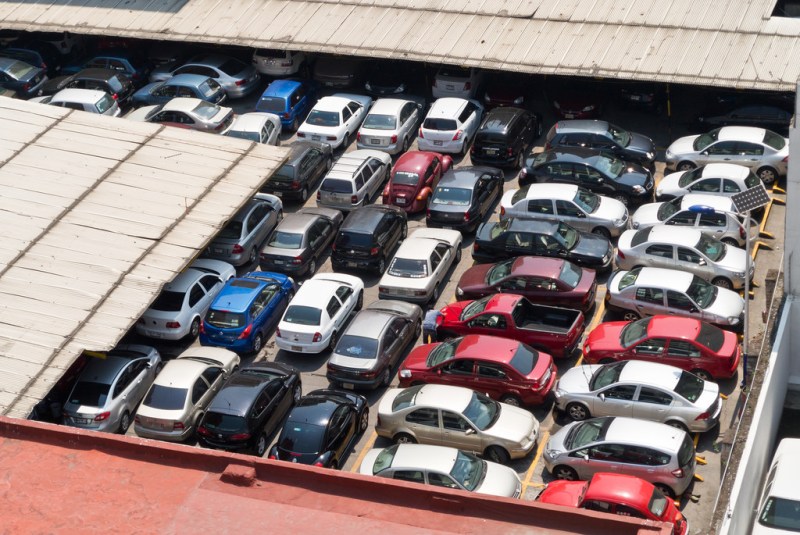
The largest city in North America has done away with one of the biggest hidden subsidies for driving: minimum parking requirements.
Mexico City eliminated requirements that force developers to build a minimum number of parking spaces in each project. The city will instead cap the number of parking spaces allowed in new development, depending on the type and size of the building. Existing parking spaces can also be converted to other uses.
Mexico City Mayor Miguel Mancera signed the new regulations into effect last week.
The policy change applies to every land use and throughout the entire city of 8.8 million residents. It promises to make housing more affordable, reduce traffic, and improve air quality.
“It’s a 180-degree change in the approach toward parking,” said Andrés Sañudo, a local planning consultant who worked with the Institute for Transportation and Development Policy to advance the reforms. “This is an incentive to provide more housing near existing transit and also provide a better price for consumers.”
The old rules mandated parking even though only about 30 percent of Mexico City residents own cars and the city has a well developed subway system.
There are now parking maximums in place instead of minimums. For example, office developments had been required to include at least one parking space per 30 square meters of floor area. Now that is the maximum parking ratio developers can build.
Within the central city, the new rules also require developers to pay a fee if they build more than 50 percent of the maximum parking allowed. Sañudo had originally hoped to institute these fees across a larger area, but, he says, “It’s still an enormous step in the right direction.”
Revenues from the parking fee will be used to improve transit and subsidize housing.
The new rules do require one type of parking: New buildings will have to include space for bicycles.
Mexico City’s parking policy is now the most progressive in Latin America. Sañudo hopes it will be expanded to all of Mexico and also inspire other Spanish-speaking cities throughout the western hemisphere.
American cities have a lot of catching up to do too. While several have been scaling back their parking requirements in recent years, only Buffalo has eliminated them citywide.

Read More:
Streetsblog has migrated to a new comment system. New commenters can register directly in the comments section of any article. Returning commenters: your previous comments and display name have been preserved, but you'll need to reclaim your account by clicking "Forgot your password?" on the sign-in form, entering your email, and following the verification link to set a new password — this is required because passwords could not be carried over during the migration. For questions, contact tips@streetsblog.org.