T4America on How to Create Safer, Healthier Streets

As the reauthorization of the federal transportation bill draws nearer, the need for clear, simple explanations of why reform is important grows greater. The folks at Transportation for America have stepped forward to make the case with Route to Reform: A Blueprint for a 21st-Century Transportation Policy, a 100-page document that lays out the most important issues. In the coming weeks, they’re going to be breaking it down further. In a blog post today, T4A is talking about “performance objectives” related to health and safety:
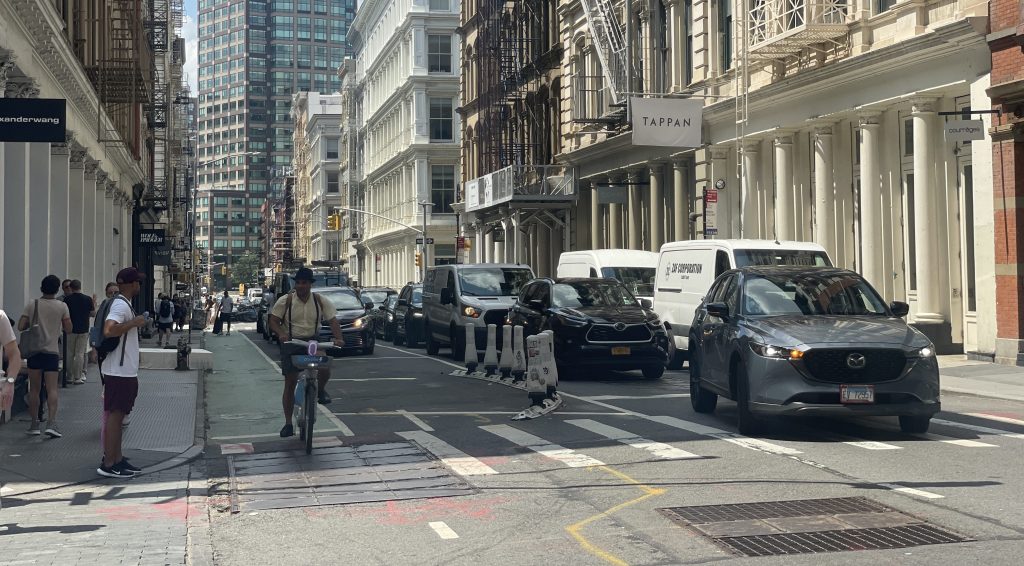
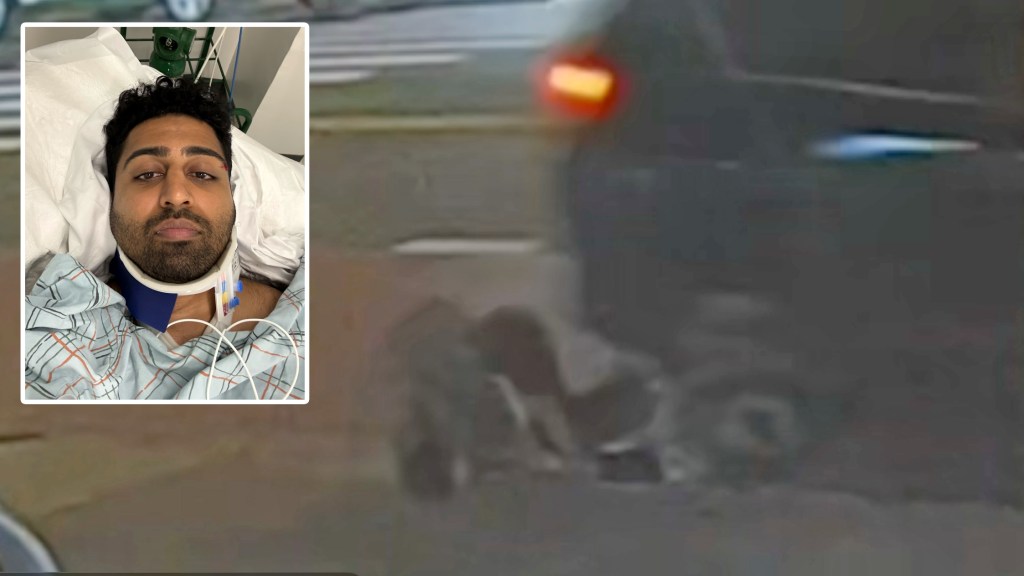
These people need safer streets.
When we think about our daily commutes to work, walks to the grocery store, or bus rides our kids take to school, there are few things more important than making sure these activities keep us healthy and safe.
After all, the numbers related to these issues are simply staggering — more than 37,000 people killed on our roads in 2008, between $40 and $60 billion in annual health care costs from negative air quality associated with transportation, more than 16 percent of children, and 66 percent of adults, considered overweight or obese due in large part due to a lack of physical activity.…
[Today] we wanted to talk about three of our “performance objectives” — measurable outcomes that will come from a new transportation program — that are essential for meeting this goal:
- Triple walking, biking and public transportation usage.
- Improve public safety and lower congestion costs by reducing traffic crashes 50%.
- Achieve zero percent population exposure to at-risk levels of air pollution.
Establishing these performance targets in the next transportation bill, and holding states, metro areas, and localities accountable for working towards them, is absolutely critical towards making our roads safer, our air less polluted, and our communities — particularly disadvantaged ones — more conducive to healthy activities like walking and biking.
Speaking of safety, if you’ve been following the recent discussions about bike helmets and when you should wear them, Copenhagenize has a post on a different kind of helmet — to protect your head when you’re using a truly dangerous transportation mode.

Read More:
Streetsblog has migrated to a new comment system. New commenters can register directly in the comments section of any article. Returning commenters: your previous comments and display name have been preserved, but you'll need to reclaim your account by clicking "Forgot your password?" on the sign-in form, entering your email, and following the verification link to set a new password — this is required because passwords could not be carried over during the migration. For questions, contact tips@streetsblog.org.