EXCLUSIVE: Mamdani Creates ‘Curb Management’ Office at DOT, Seeking Order From Chaos
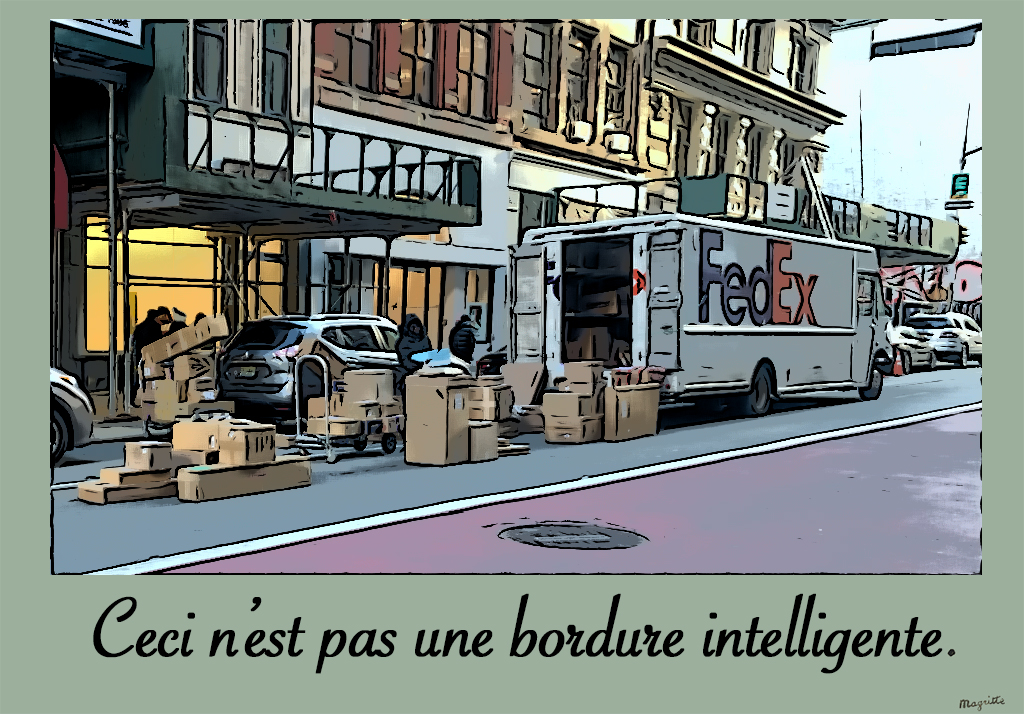
Curb enthusiasm, indeed.
The Mamdani administration will create a dedicated office to manage New York City’s 6,300 miles of curbside lanes, a bid to gain control of valuable public space that is mostly given over for car storage, but is increasingly needed space for broader public uses such as safe deliveries, outdoor dining and containerized garbage pick-up, Streetsblog has learned.
The Office of Curb Management will focus on safety and consolidate several functions within the Department of Transportation to expand loading zones, designate pick-up areas, use paid meters to “promote vehicle turnover,” improve roadway outdoor dining, and continue piloting waste containerization, according to a City Hall announcement expected to be released later on Tuesday.
“Our curbs are more than just where our sidewalks meet the street, they are a reflection of how we want our streets to be used – streets that need to work for all New Yorkers,” said Deputy Mayor for Operations Julia Kerson in a statement. “As our streets continue to evolve — from better bike infrastructure to growing demand for outdoor dining — the way we manage our limited curb space is critical.”
Advocates said the office is much needed to rein in the city’s haphazard planning around the curb, which currently is dedicated largely to the storage (and sometimes movement) of private motor vehicles, including around three million parking spots, which the city gives away largely for free.
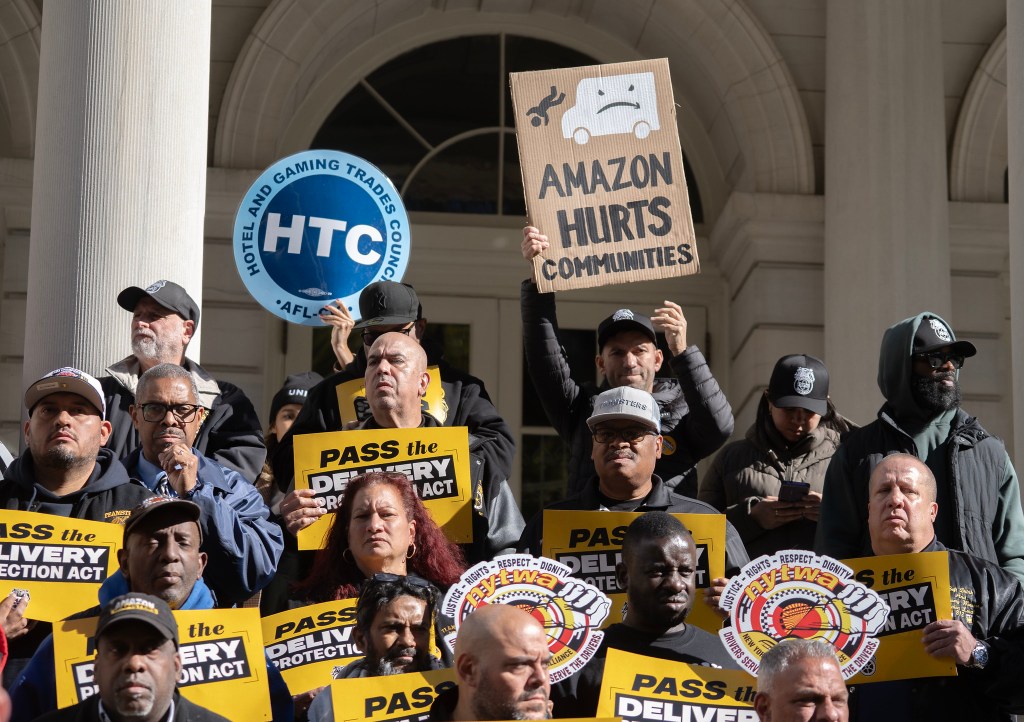
The Covid pandemic dramatically increased the number of delivery trucks plying residential streets and often double-parking, creating safety hazards and causing congestion. The city has only slowly expanded such initiatives as residential loading zones and delivery staging areas.
“It’s overdue, I think it’s going to make a lot of sense once you have all these people thinking about the same thing and thinking about how is the space and the time allocated,” said Christine Berthet, the co-founder of Clinton Hell’s Kitchen Coalition for Pedestrian Safety, a pedestrian advocacy group also known as CHEKPEDS. “If you have a space which is contested and which is scarce, it must be managed or it becomes chaos, which it is today.”
The Mamdani administration has already made waves by showing interest in charging for more on-street parking.
There are many policies left over from the administration of former Mayor Eric Adams that the new office could tackle, such as expanding the Empire Bins – on-street garbage containers common in other global cities – dynamically pricing the curb, or building out delivery microhubs.
Adams never funded waste containers beyond a small pilot uptown, and neither Mamdani nor City Council Speaker Julie Menin have yet to allocate new funding in the upcoming budget, even though both pols claim to support it.
The Adams administration also axed a small pilot on the Upper West Side to convert more free spaces into paid parking to cut down on rampant double-parking.
And of course, there’s the chronic issue of drivers abusing parking placards and other agency paraphernalia to park illegally, especially around government buildings.
DOT Commissioner Mike Flynn said the city’s rules around the curb have lagged since officials first legalized overnight parking.
“New York City’s curb regulations have not evolved quickly enough since 1950, when overnight street parking was legalized. The result is a curb that too often feels chaotic and unsafe, and that must change,” Flynn said in a statement. “Creating streets that are the envy of the world starts at the curb, because the curb lane is critical to a street’s success — if it isn’t working, the whole street isn’t working.”
Open Plans, which shares a parent company with Streetsblog, has long advocated for curbside reform, including the creation of an office of public space management.
“For too long the city has viewed the curb as a place for free car storage with any other use as a rare exception. This announcement is a welcome sign that the city is prepared to use the curb for the highest public benefits,” said Sara Lind, the group’s co-executive director. “As our city evolves, our built environment can and should continue to evolve with it.”

Read More:
Streetsblog has migrated to a new comment system. New commenters can register directly in the comments section of any article. Returning commenters: your previous comments and display name have been preserved, but you'll need to reclaim your account by clicking "Forgot your password?" on the sign-in form, entering your email, and following the verification link to set a new password — this is required because passwords could not be carried over during the migration. For questions, contact tips@streetsblog.org.