Woulda, Coulda, Shoulda: Lessons for the Future of Congestion Pricing
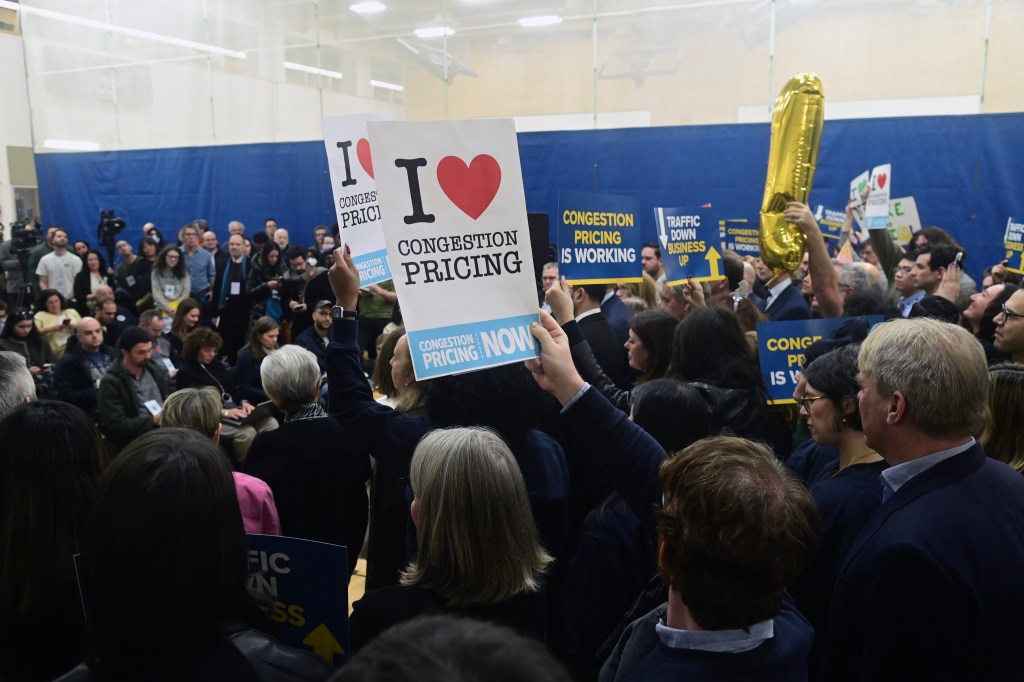
More than a year after congestion pricing arrived in New York City, advocates and lawmakers continue to celebrate the program’s success. The tolls generated $550 million in revenue for public transit, reduced traffic by 11 percent and improved air quality by 22 percent. Its opponents’ worst fears never materialized.
Still, it’s easy to wonder what a more muscular and thought-out program may have accomplished. The most obvious question, of course, is what the streets would look like today if Gov. Hochul had never delayed, then lowered the toll. With a year’s worth of hindsight, it’s worth considering several less obvious adjustments to congestion pricing..
The rideshare surcharge should have been much higher
In 2019, New York began collecting a small surcharge on all rideshare trips that entered Manhattan south of 96th Street. Unlike the more controversial toll on all private vehicles entering the island south of 60th Street — which required years of study and federal approval — the ride-share toll took effect less than a year after then-Gov. Andrew Cuomo signed it into law.
Albany’s decision to impose a fixed fee on rideshare passengers, instead of rideshare companies, made political sense. This arrangement discourages Uber and Lyft from hiking prices beyond what the MTA would have charged, and passenger fees more accurately reflect the impact of ride-share operations. The more people use ride-share, the more revenue the MTA receives.
But the total surcharge is far too low and fails to meaningfully discourage the usage of rideshare. Because legislators did not peg the surcharge to inflation — or any other economic metric — its real cost has only decreased with time. The fee structure did not account for the potential arrival of robotaxis, which will likely add more cars to the city’s streets, or the fact that rideshare users are among the city’s wealthiest commuters.
The roll-out lacked clear toll-funded benefits on Day 1
The architects of congestion pricing designed the toll to exclusively fund the MTA’s long-term capital projects, which include signal improvements, new elevators, upgraded subway cars, and service expansions. While all worthy and critical projects, this arrangement handicapped both the preliminary appeal and the final rollout of congestion pricing, because it prevented the MTA from either promising or delivering any immediate and tangible benefits that were directly funded by the new toll.
Congestion pricing indeed made life easier for certain transit riders, especially those who commute to Manhattan via buses that use any of the eight bridges and tunnels that access the congestion relief zone. Those crossings recorded dramatic increases in traffic speeds after the toll went into effect. But these riders are a small subset of commuters to Manhattan, most of whom use the subway or commuter rail.
It did not have to be this way. When London launched its congestion pricing program in 2003, Transport for London immediately increased bus service and shortened headways to demonstrate the new toll’s benefit to riders. The authors of congestion pricing should have followed the British capital’s lead by earmarking a portion of its revenue for non-capital improvements, such as boosting bus frequency, on day 1. This strategy would have provided a tangible victory for commuters and clarified the connection between congestion pricing and faster, more convenient commutes.
PATH and NJ Transit should have received some toll revenue
One of congestion pricing’s most formidable adversaries turned out to be New Jersey. Former Garden State Gov. Phil Murphy spent more than $1 million on a lawsuit to stop the toll, while Rep. Josh Gottheimer (D-New Jersey) led the Democratic side of the bipartisan effort to halt the program with federal legislation.
Our neighbors across the Hudson River could and should have been our strongest allies. The Garden State constitutes 38 percent of commuters who enter the congestion relief zone from outside the city, and NJ Transit and PATH serve Manhattan below 60th Street. New York officials and the MTA should have worked harder to include both transit agencies in the final plan by sharing toll revenue with them.
In fact, the MTA did offer more than $100 million in annual toll revenue to NJ Transit — but only after New Jersey sued the agency in federal court. While Murphy rejected that offer, the bigger problem is that few elected officials, in both New York and New Jersey, possessed the foresight and political acumen to tie the program to transit agencies that are not the MTA.
The reduction of vehicle miles of travel — a statistic better known as VMT — is a key goal of congestion pricing. New York and New Jersey could have reduced VMT even further by designating a substantial share of toll revenue for PATH and NJ Transit’s modernization and expansion projects. That concession would have been more feasible with the original price of $15, but even 15 percent of the current $9 toll could have accelerated transit in New Jersey and lowered the political temperature between the two states.
What about further improvements?
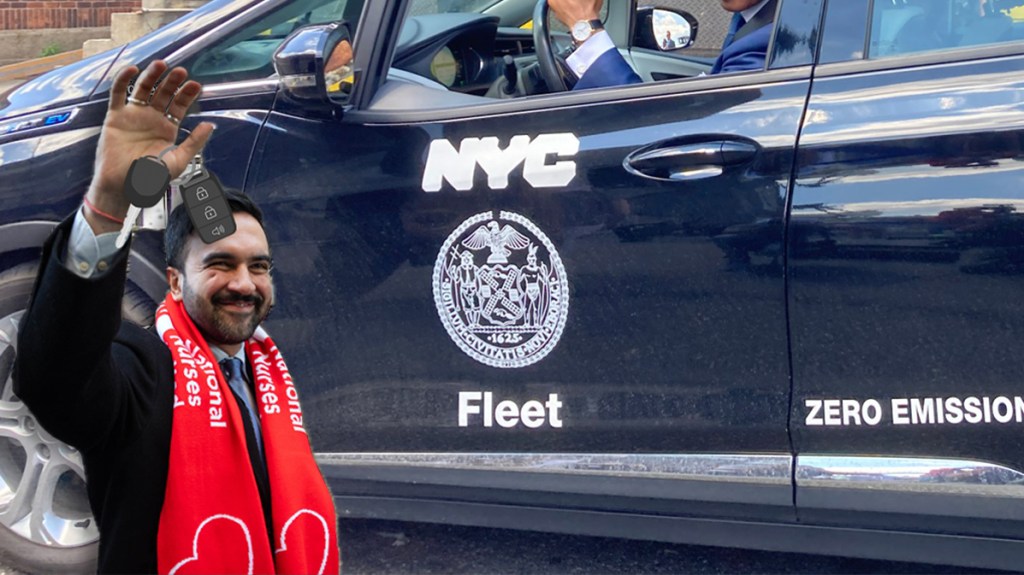
The MTA has little leeway to deviate from its 2025-2029 capital plan. But this creates an opportunity for Mayor Mamdani to step in and piggyback off the toll’s impact.
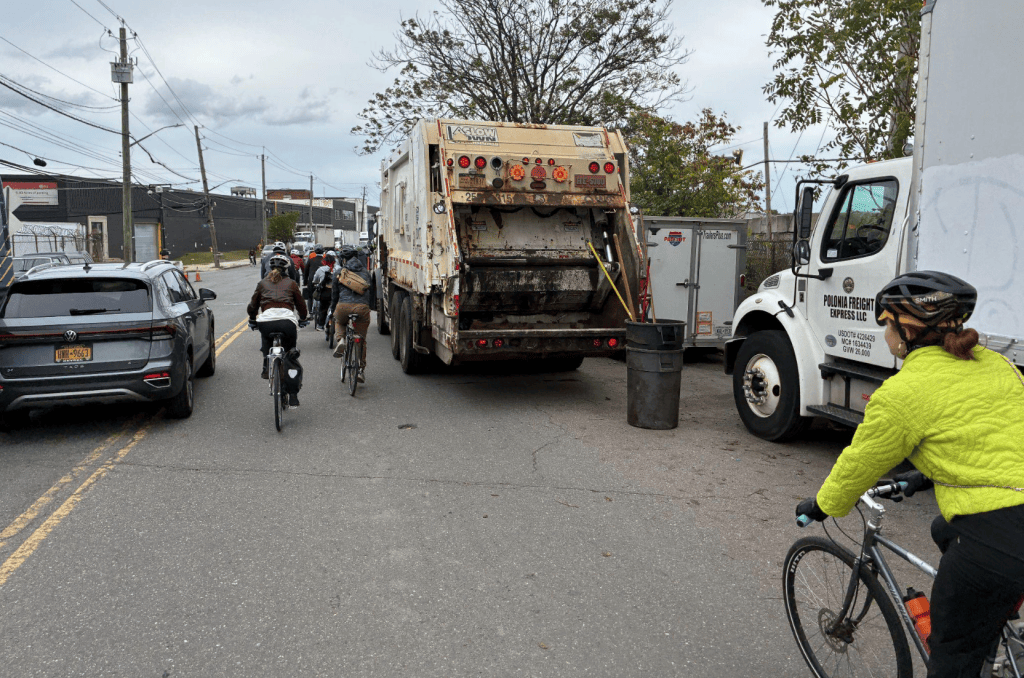
As a candidate, Mamdani pledged to finally execute DOT’s Streets Plan, a comprehensive blueprint mandated by a 2019 law that requires the Department of Transportation to install 80 miles of hardened bus and bike lanes. If fulfilled, this promise will create a world-class bus network for the MTA to build upon in the future and boost the viability of micromobility options for commuting. Multimodal transportation must become a central pillar of the city’s commuting infrastructure, and Mamdani should do everything he can to facilitate its adoption.
Bus Rapid Transit, meanwhile, can extend the benefits of the tolls to working-class areas of the city. Reconfiguring certain routes — like the B46, Bx12, Q53 and S79 — with hardened infrastructure could fill transit gaps and improve connections to subway lines. That would encourage outer borough commuters to choose transit — which would further reduce VMTs and improve air quality.
It may take years, and a lot of political capital, to perfect the congestion pricing program. But the toll as it exists, and its Byzantine journey through Albany and Washington, provides valuable lessons for transportation policy and advocacy. It is reasonable to celebrate congestion pricing. It is also understandable to speculate on what a more robust program might have achieved. But these reflections are meaningless without the drive to push forward and build upon the recent success of transit advocates. Congestion pricing was only the first step of many more to come.

Read More:
Streetsblog has migrated to a new comment system. New commenters can register directly in the comments section of any article. Returning commenters: your previous comments and display name have been preserved, but you'll need to reclaim your account by clicking "Forgot your password?" on the sign-in form, entering your email, and following the verification link to set a new password — this is required because passwords could not be carried over during the migration. For questions, contact tips@streetsblog.org.