The Speeding Situation in New York City Is Even Worse Than It Seems
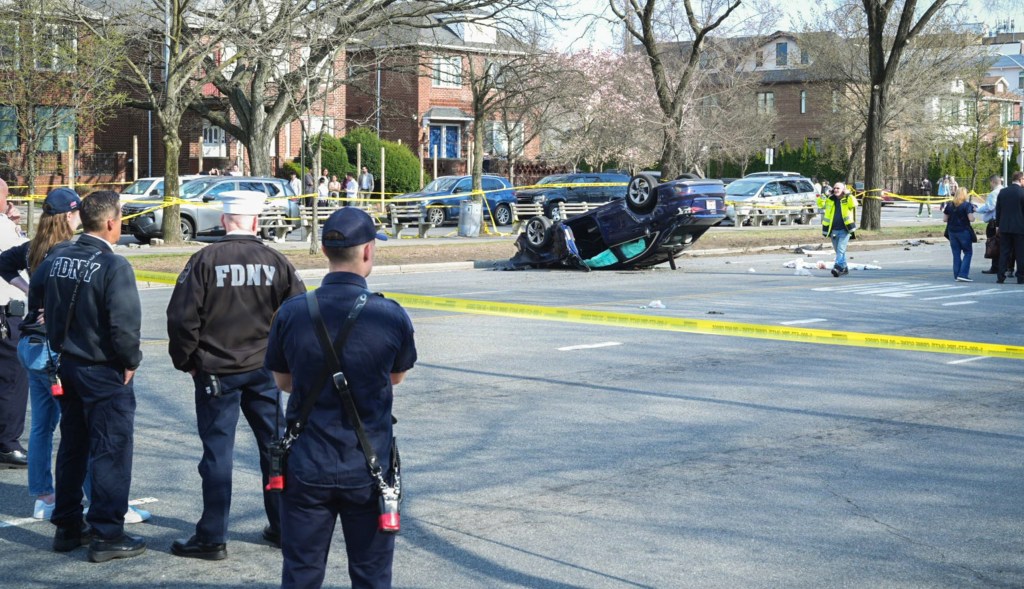
It’s a known unknown.
Every day, New York City’s network of traffic cameras ticket thousands of drivers for exceeding the speed limit by 11 or more miles per hour — but the actual scope of dangerous vehicular speeding is almost certainly worse than what those cameras capture.
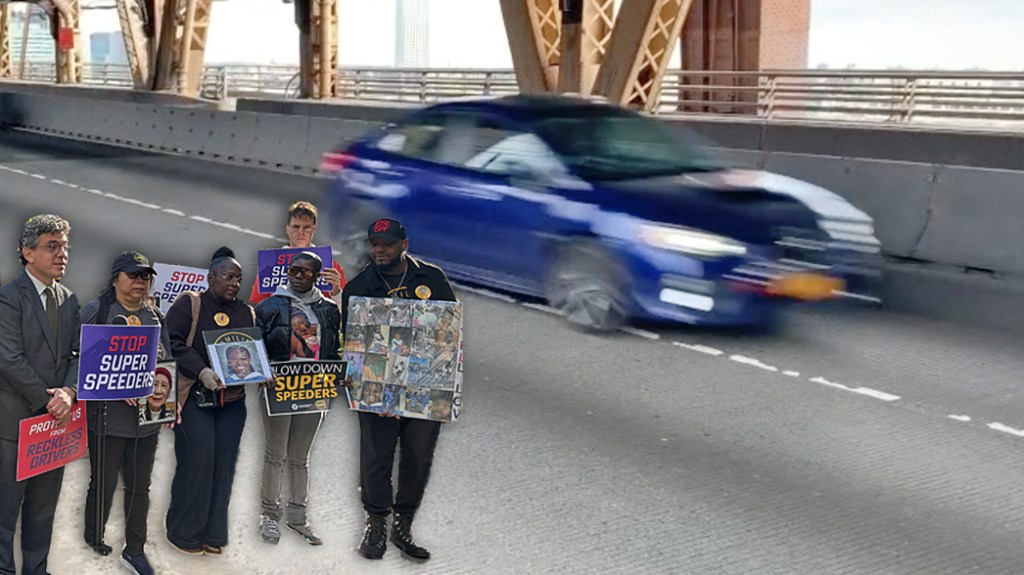
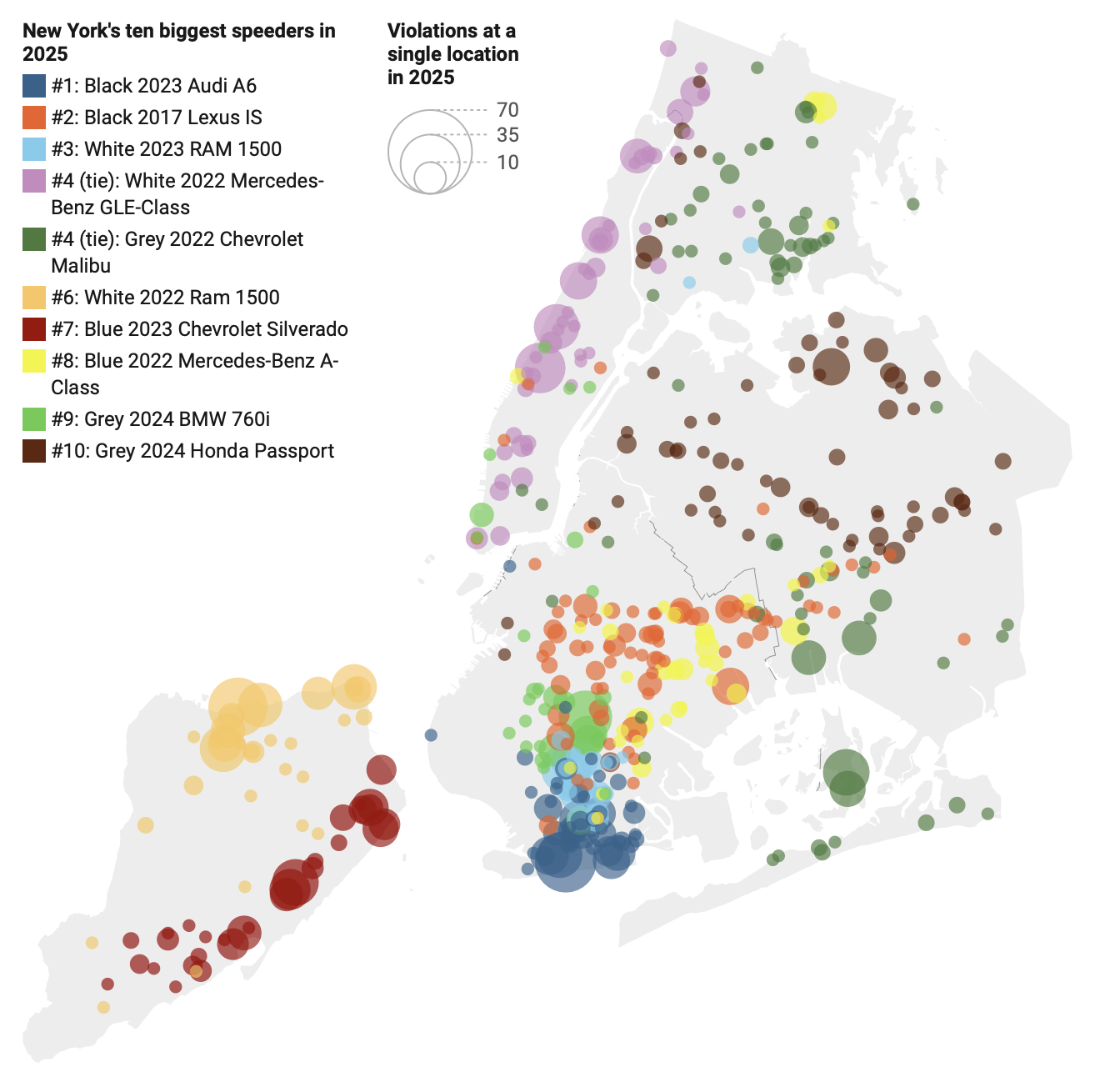
For the second year in a row, Transportation Alternatives has mapped the movements of the city’s 10 most hazardous drivers, or “super-speeders.” And, predictably, the report sent shockwaves through the local press. “NYC’s Most Sociopathic Motorists Will Pay $60K/Year to Drive Like Assholes,” read a representative headline in Hell Gate.
And the numbers are indeed shocking. The worst driver, whom TA did not name, accumulated more than $63,000 in speeding and red-light tickets since 2023 — including $18,000 in speeding and red-light tickets in 2025 alone. This driver pilots a black 2023 Audi A6 with the New York license plate LCM8254. TA ranked them the worst speeder last year, too.
Let that sink in: The same driver identified as the worst of 2024 remains at the top of that ignominious list — and is still driving.
This driver’s hunting grounds are in and around Gravesend and Brighton Beach in Brooklyn, an area that TA called out as frequent hotspot of the most dangerous drivers. That’s also close to where wigmaker and recidivist speeder Miriam Yarimi, 33, crashed into and killed Natasha Saada, 34, and two of her young children on Ocean Parkway last March.
The report’s accompanying map, seen below, illustrates where and how often the worst speeders offend. It’s substantially similar to the map TA published last year.
But the most shocking thing about TA’s report is that it does not — and cannot — document the true extent of speeding in New York City. That’s because it relies exclusively on violation data generated by fixed speed cameras, which drivers routinely evade by obscuring and defacing their license plates or removing them altogether. (Some simply slow down where they know there are cameras.)
In fact, TA noted that three of the 10 worst super-speeders suddenly stopped receiving any speeding tickets. The second worst driver, who previously garnered nearly $20,000 in speeding tickets, did not receive any after July 12. The fourth and eighth worst drivers carry similar asterisks.
It’s possible that the these drivers had a come-to-Jesus moment, reckoned with their dangerous driving habits, and vowed to never speed again. But it seems much more likely that they merely removed or defaced their license plate because they wanted to speed across the city without paying a fine.
“Blocked or ghost plates erode safety for everyone, and our leaders should be looking at every possible avenue to ensure all drivers on our streets are behaving safely and legally,” said Ben Furnas, the executive director of Transportation Alternatives.
Ghost plates are not a minor problem. In 2024, former city comptroller Brad Lander reported that city speed cameras failed to ticket 22 percent of offending vehicles in the first half 2023, due exclusively to obscured and defaced plates. That is more than one out of every five vehicles. Their drivers evaded more than $100 million in fines.
The city and state have tried to address the problem in different ways. The city’s ongoing replacement of older traffic cameras with newer and more capable ones has driven down the percentage of unreadable plates from approximately 22 percent in July 2024 to less than 14 percent in December 2025.
The state, meanwhile, has staged more than 100 unannounced stings on various bridges and tunnels in the past two years. These efforts have snagged thousands of cars and reduced the rate of unreadable plates by 20 percent.
But a brief stroll or drive down any street in New York City reveals that isolated efforts are insufficient. Ghost plates remain ubiquitous. Indeed, the status quo is a classic evolutionary arms race, in which two parties — the government, versus the drivers who want to avoid camera-based tolls and tickets — constantly try to outwit and undermine each other.
This has an important implication for the broader effort to identify and punish drivers who imperil their neighbors by speeding: If New York wants to make its streets safer, it must treat dangerous drivers as a constantly evolving threat and continuously update its policies and technological capabilities to prevent and limit their damage.
State Sen. Andrew Gournades (D-Bay Ridge) has taken a uniquely strong interest in addressing the mutating tactics of scofflaw motorists. The centerpiece of his years-long crusade is the so-called “Stop Super-Speeders” bill, which would mandate the installation of speed-limiters in cars driven by the worst offenders. Gov. Hochul included the bill’s substance in her version of the state’s annual budget — a strong indication that the legislation will become law.
Other pending Senate bills introduced by Gournades could make an even larger impact. These include S5863, which would force every municipality in New York State to establish a bounty program for photos of cars with stolen or forged plates; S7336, which would expand the city Department of Transportation’s enforcement powers and help it coordinate with other agencies; and S7905, which would add points to the driving records of motorists repeatedly convicted of obscuring their license plates.
But the bill with the biggest potential is S6158, which would force the Department of Motor Vehicles to incorporate encrypted Radio Frequency Identification technology in all new registration stickers, thereby allowing government agencies to identify cars by a secure electronic signal emitted by the sticker’s encrypted chip.
This bill alone could end the speeding arms race.
“Compared to the ease with which drivers can cover or distort a license plate, the design of Radio Frequency Identification tags create a greater disincentive to tampering as removals cannot be easily reattached,” the bill’s text reads. “Attempting to subvert a Radio Frequency Identification through technological means would require a degree of cyber prowess that the average driver does not possess, making it a tactic much less widely pursued than the low-tech solution of a license plate cover.”
These bills are intended to go beyond standard license plate cameras to hold drivers accountable for traffic violations.
“Ultimately, my goal here is to make our streets safer, and to ensure everyone pays their fair share so we can invest in better transportation infrastructure,” Gournades said. “Most New Yorkers get that. For those who try to skirt the rules, we need to have accountability mechanisms in place. But this isn’t about punishing people. It’s about doing what’s best for all of us.”

Streetsblog has migrated to a new comment system. New commenters can register directly in the comments section of any article. Returning commenters: your previous comments and display name have been preserved, but you'll need to reclaim your account by clicking "Forgot your password?" on the sign-in form, entering your email, and following the verification link to set a new password — this is required because passwords could not be carried over during the migration. For questions, contact tips@streetsblog.org.