Safe Streets, Workers Rights, Crash Victims Targeted By Big Tech In Super Bowl Ads

Some Super Bowl commercials are just ads. And some are warning shots.
During Sunday’s Big Game, three of the latter squarely targeted livable streets issues: one each by the Uber-led scheme to reduce state car insurance premiums, Instacart and Grubhub.
These weren’t just efforts to bolster a brand or sell widgets — these $8-million ad buys were a show of force to policymakers and an effort to shift public opinion in favor of Big Tech and against would-be regulators, politics insiders said.
“A Super Bowl [ad] is a very-expensive-but-wide-net approach to influence public opinion ahead of a big legislative battle,” said Alyssa Cass, a partner with New York City-based political consulting firm Slingshot Strategies.
“You’re hoping to give your team the tools it needs to persuade, influence, and control people, and also to shape public opinion around something — to show that it is politically popular.”
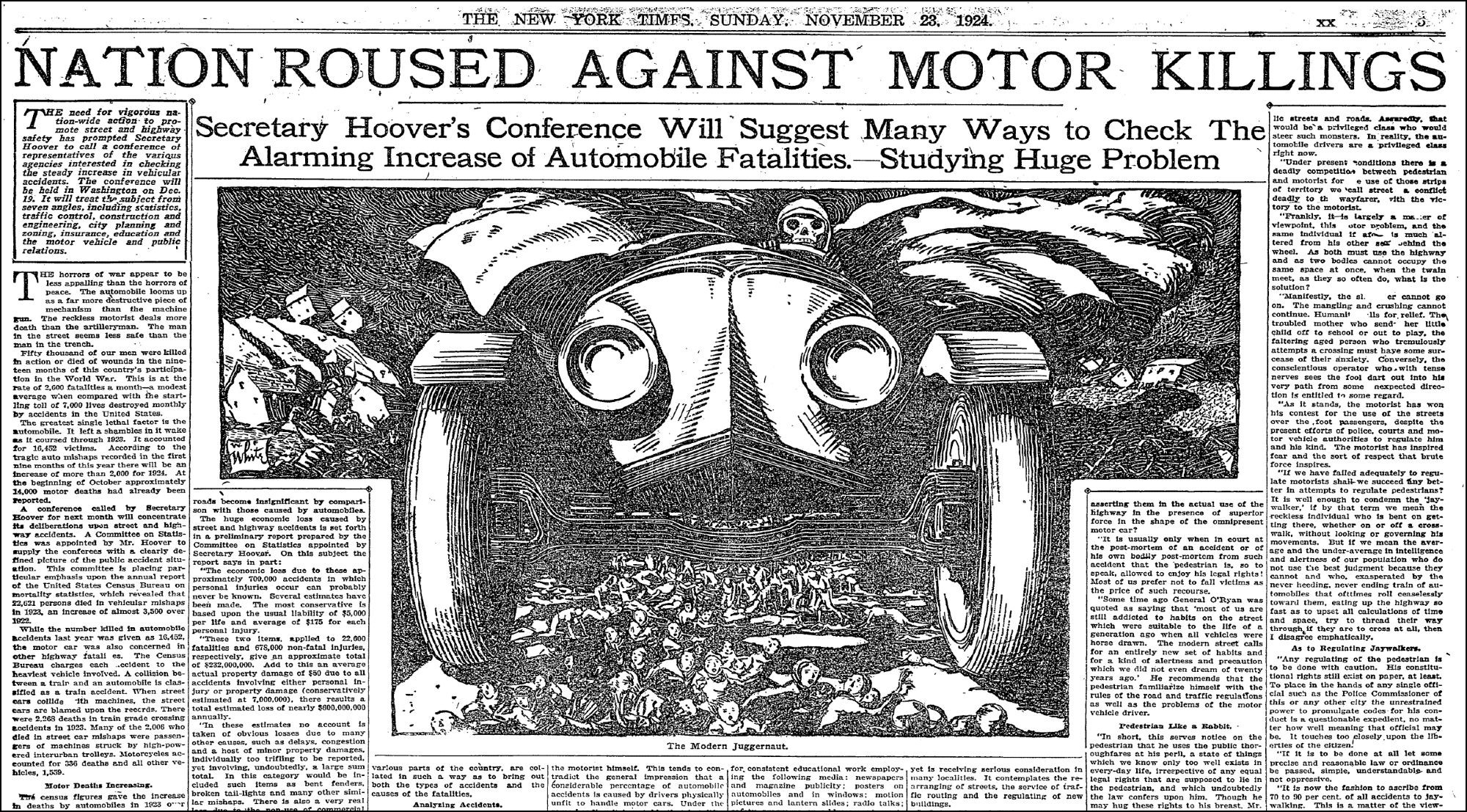
It’s a strategy as old as car culture. When auto manufacturers faced massive public outcry as the death count of pedestrians, especially children, rose in the early days of the Auto Age, car makers changed the narrative to blame victims as “jaywalkers” and to criminalize the very act of walking in the street as humans had done for millennia.
The same thing is happening now. Uber, through its group Citizens for Affordable Rates, used its seven-figure ad buy to publicly thank Gov. Hochul for pledging to reduce auto insurance rates in New York and to urge “state lawmakers to act now to make coverage more affordable for families across the state,” the group wrote in a sponsored post in amNY before the ad aired.
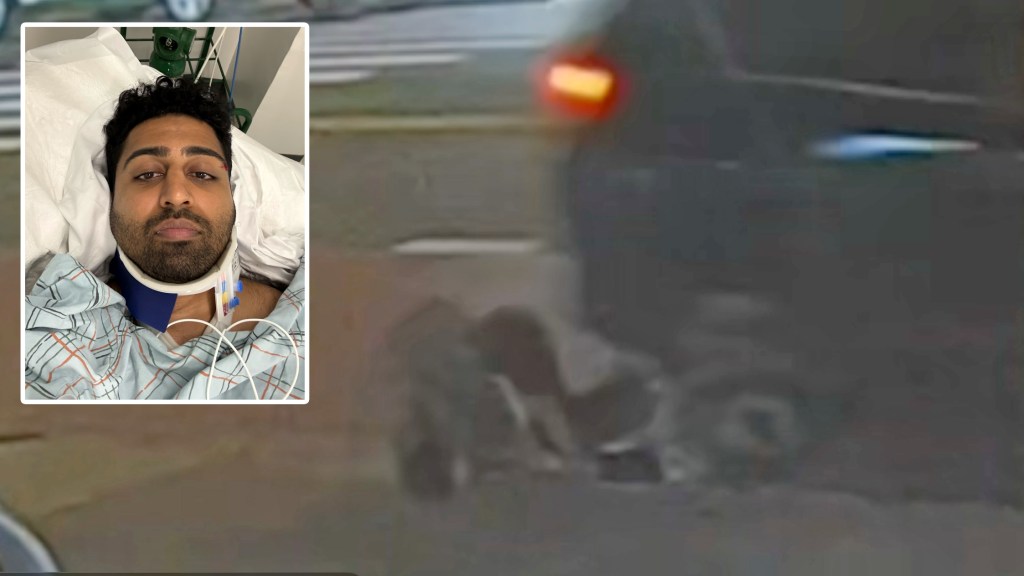
Critics say that, in fact, the group is seeking to reduce costs for drivers by lowering compensation to victims of crashes and narrow the legal definition of a “serious injury” — yet the ad aired framed the proposal as part of an “affordability” agenda.
But in case the governor or other politicians misunderstood the message, there was also a warning that siding with victims advocates would earn the well-funded group’s wrath:
“Gov. Hochul’s … cutting car insurance rates [but] greedy special interests are out to stop her,” the ad stated. “It’s time to lower New York’s car insurance, because there’s no waiting ’til next year.” (The reference to “next year” is telling; Hochul is currently running for re-election — i.e. hoping to still be in office in 2027.)
Instacart and Grubhub’s ads were less overtly political, but no less obvious in their efforts to normalize an industry built on hidden and exploited laborers who are not even considered company employees. Both companies enlisted big name — and high-dollar — Hollywood stars to send a message to would-be regulators that America’s top cultural ambassadors were presenting their credentials.
Instacart tapped director Spike Jonze, actor-director Ben Stiller and singer Benson Boone for a 30-second slot titled “Bananas,” advertising a new feature that allows grocery customers to specify their desired banana ripeness level.
It’s unclear what Boone and Stiller in jumpsuits and vaguely Italian accents one-upping each other with backflips has to do with grocery shopping. But that’s sort of the point: when shopping for bread, the public wants its circus, too.
“If you are looking to make a big splash, the Super Bowl is the best opportunity of the year to get a large aggregate audience,” NYU marketing professor Court Stroud told Streetsblog. “If you are going to spend this much money, you want an ad that’s going to be memorable.”
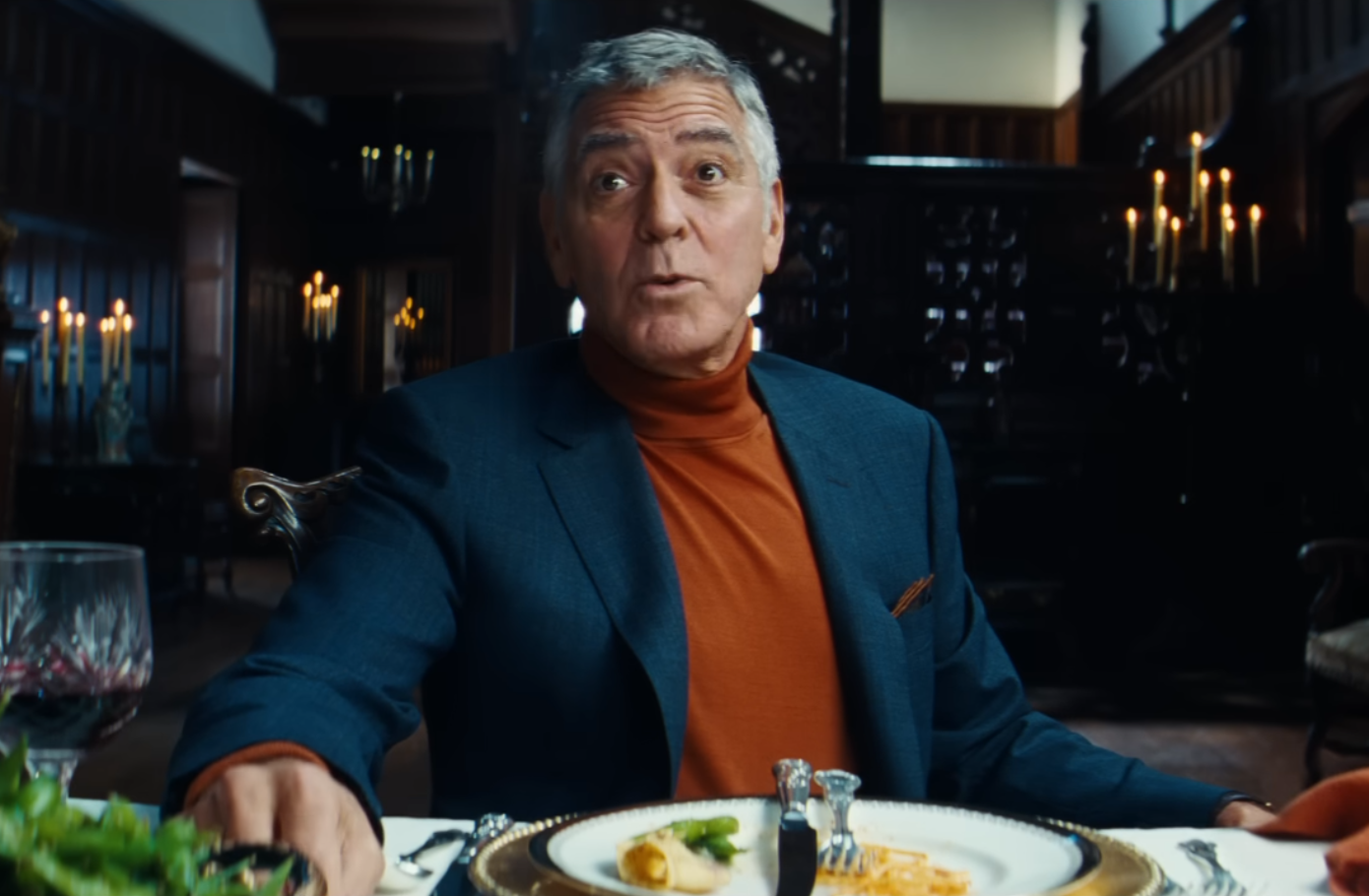
Grubhub, meanwhile, enlisted director Yorgos Lanthimos and actor George Clooney to claim it would be generously “eating the fees” for all food delivery orders over $50. But the presence of an actor whose surname would fit nicely in sequence with baseball, hot dogs and apple pie was merely eye candy to gloss over the fine print: the “fees” that are supposedly being eaten are Grubhub’s own invention. And in cases where governments do impose fees beyond the app’s control, Grubhub won’t actually be “eating” them: “Taxes and a small number of regulatory or government-mandated charges … still apply,” according to the new campaign’s online FAQ page.
It’s no surprise that those words didn’t come out of Clooney’s mouth.
Company spokesperson Najy Kamal said that the Super Bowl is the best way “to reach the masses effectively” because it is “one of the few platforms left in media that offers true simultaneous mass reach.”
Kamal is saying the thinking part out loud; those “masses” that are being messaged are normal Americans who have busy, complicated lives and can’t be expected to know every detail of how a hamburger gets from a restaurant in one neighborhood to a home 10 miles away still hot — or how the delivery worker risked his life to do so.
That’s where the big name celebrities come in. Clooney is a surrogate for credibility. Stiller is a stand-in for sentiment. And maintaining that positive public perception really comes in handy when the companies are doing regulatory battle at the city, state and federal level, Cass said.
“It becomes politically more challenging to regulate platforms that are beloved and valued by consumers in that jurisdiction,” she said. “The bigger you are and the more beloved you are, the greater leverage you have in a regulatory context.”
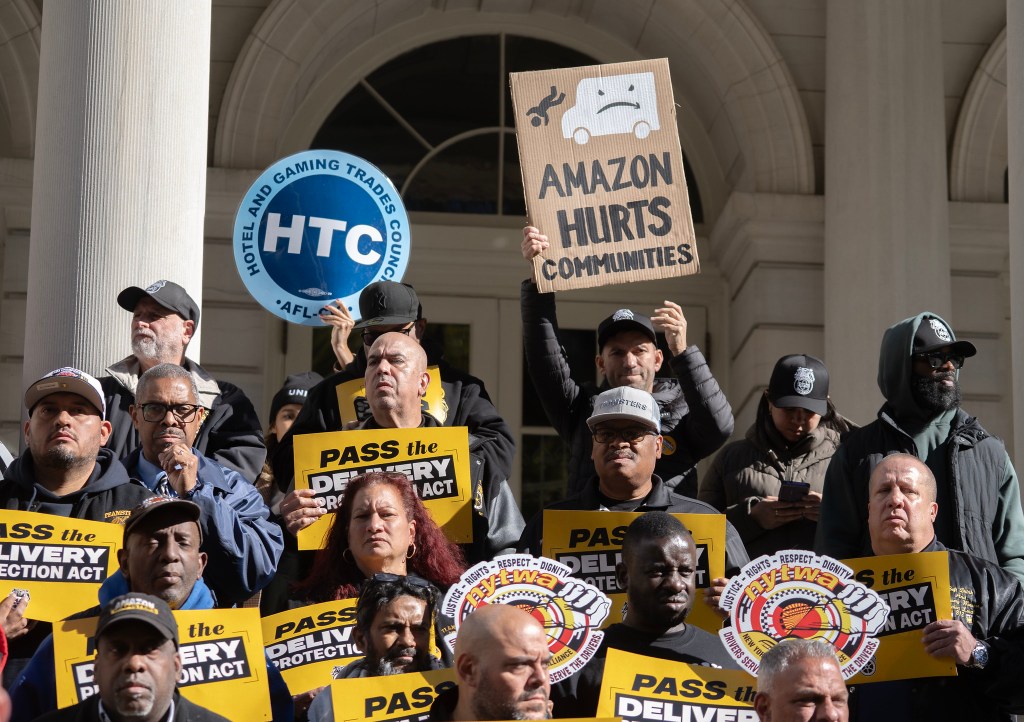
But that leverage comes with a bitter aftertaste for anyone already stuffed to the gills at Big Tech’s table. Spending $8 million on a Super Bowl ad is a black mirror held up to the companies’ own messaging about worker pay, for example. Instacart recently sued the city to stop it from requiring a delivery worker minimum wage. Grubhub sued over similar regulation back in 2023.
One city official wants his fellow New Yorkers to get up from the table and say they’re full.
“It’s a little maddening, honestly,” Department of Consumer and Worker Protection Commissioner Sam Levine told Streetsblog. “These are companies that cry poverty when it comes to paying their workers, and suddenly they have limitless resources when it comes to airing ads in the Super Bowl.”

Read More:
Streetsblog has migrated to a new comment system. New commenters can register directly in the comments section of any article. Returning commenters: your previous comments and display name have been preserved, but you'll need to reclaim your account by clicking "Forgot your password?" on the sign-in form, entering your email, and following the verification link to set a new password — this is required because passwords could not be carried over during the migration. For questions, contact tips@streetsblog.org.