Memo to Mamdani: Bring Back the Weekend G Train to Forest Hills
New York City is reviving the rails. Penn Station Access, the Interborough Express and the next phase of the Second Avenue Subway will open up well-paying jobs and make it easier to traverse the city. Unfortunately, the MTA will not complete any of these projects before 2030.
New Yorkers should not have to wait another four years for better commutes. To truly reinvigorate the city’s train ambitions, Mayor Mamdani, Gov. Hochul and the MTA should jointly announce a new project they can complete within months. Specifically: They should restore weekend G service to Forest Hills.
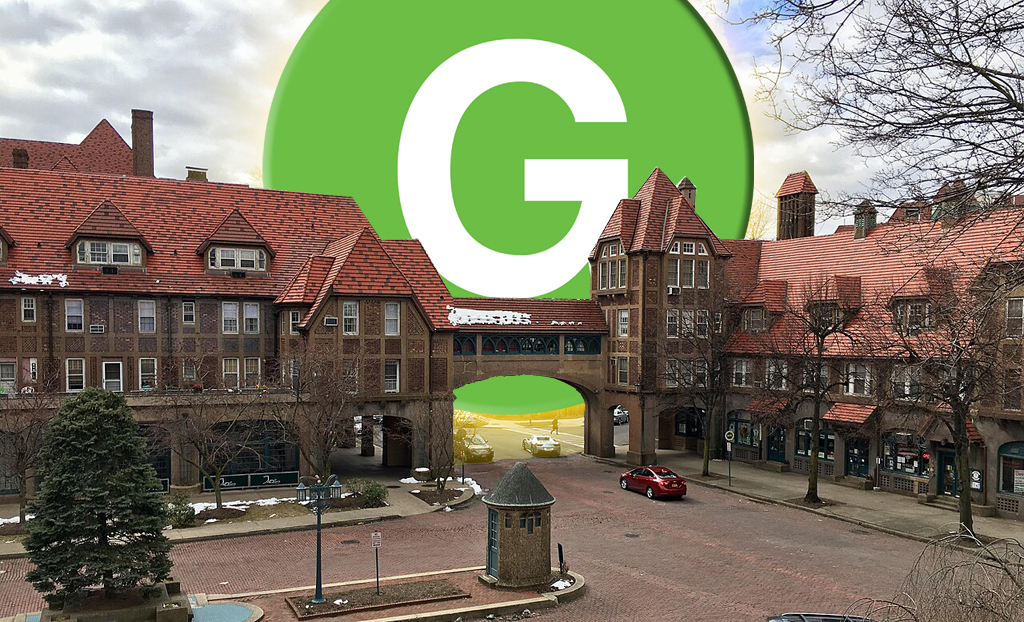
The lime-green, five-car subway service had a long history of serving Queens after it came online in 1933. At various points, the G ran as far east as Flushing and Jamaica. After the end of the World’s Fair in 1940, the city’s Board of Transportation terminated the G at the 71st Avenue station in Forest Hills. The board’s successor, the MTA, slowly whittled down service in Queens, until the G ran only on weeknights and weekends to Forest Hills. In 2010, the MTA killed the G train to Forest Hills altogether. It now terminates at Court Square in Long Island City, barely living up to its line’s name: The Crosstown Local.
A lot has changed since the Great Recession. The corridor between Court Square and Church Avenue witnessed a surge in new housing, tourism, leisure and nightlife, especially as remote work shifted ridership locally. The G now carries 166,000 passengers per weekday — a 50,000 increase since 2010 and one of the fastest growth rates in the entire subway system.
But it is still quicker and more convenient to dog-leg through Manhattan than it is to travel between Brooklyn and Queens. I am far from alone in calling for this to change. When the MTA shut down the G for signal upgrades in 2024, 22 elected officials asked the agency to reinstate full-length cars and restore service to Forest Hills.
There are a few hurdles to realizing this vision. Two years ago, the transit activist and cartographer Andrew Lynch spelled out several challenges, such as capacity constraints and ridership patterns, to reviving full-time G service to its former terminus. The most prominent issue is the tight geometry at 71st Avenue, where local M and R trains start and end on a single track. That is why I advocate for a G train only on the weekends, when the Manhattan-bound M terminates at Delancey Street.
These technical considerations shouldn’t distract from the potential impact of new train service. A smoother connection between Brooklyn and Queens may not draw the same headlines as the IBX or the Second Avenue Subway, but it would materially improve the lives of New Yorkers across the socioeconomic spectrum, from line cooks in Jackson Heights to creative directors in Williamsburg, from patients at Elmhurst Hospital to attendees at Forest Hills Stadium.
Mamdani is the ideal messenger for this particular project. He won the mayoralty in part because he understood how to align the interests of people in different neighborhoods and classes. His old apartment in Astoria sat just a few blocks away from the Steinway Street station that lost G service in 2010. He made cheaper transit a cornerstone of his agenda, and restoring the G back to its former self would make both boroughs more affordable places to visit, live and work. And yes, while fast and free buses could help — the added service on the B62 route is a nice cross-borough boost — doubling down on expanded subway connections could make that investment go even further.
So my message to the Mamdani administration is this: get Albany and the MTA to commit to a weekend-only pilot. This summer would be a good time to start. Tap the Outer Borough Transit Account for funding. See how it goes. And show New Yorkers that City Hall can deliver tangible and impactful improvements to their commutes today, not ten years from now.

Read More:
Streetsblog has migrated to a new comment system. New commenters can register directly in the comments section of any article. Returning commenters: your previous comments and display name have been preserved, but you'll need to reclaim your account by clicking "Forgot your password?" on the sign-in form, entering your email, and following the verification link to set a new password — this is required because passwords could not be carried over during the migration. For questions, contact tips@streetsblog.org.