Moving Beyond the Automobile: Congestion Pricing

In the fifth chapter of “Moving Beyond the Automobile,” we demystify the concept of congestion pricing in just five short minutes. Here you’ll learn why putting a price on scarce road space makes economic sense and how it benefits many different modes of surface transportation.
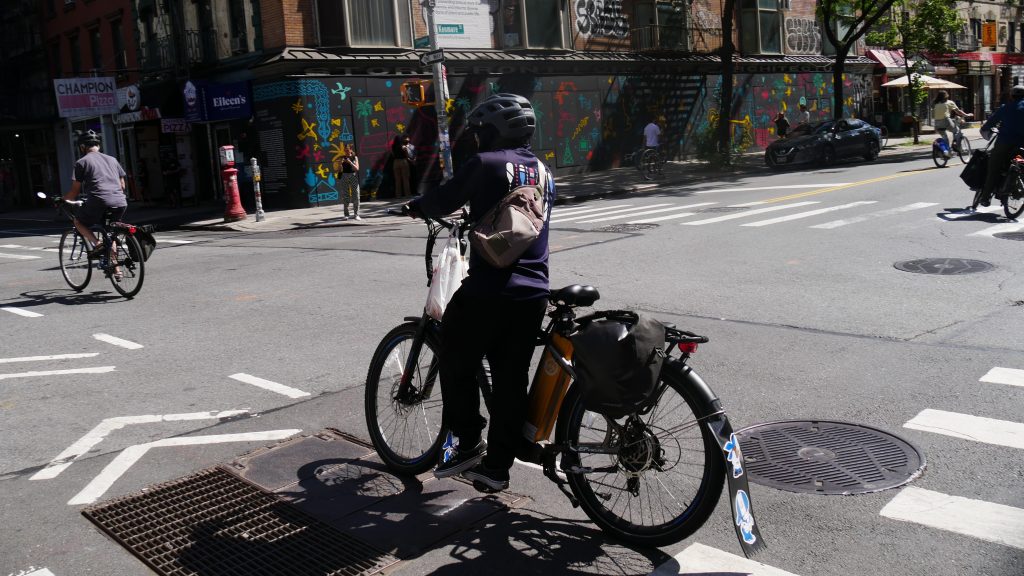
In London, which successfully implemented congestion pricing in 2003, drivers now get to their jobs faster, transit users have improved service, cyclists have better infrastructure, and pedestrians have more public space. More people have access to the central city, and when they get there, the streets are safer and more enjoyable. While the politics of implementing congestion pricing are difficult, cities looking to tame traffic and compete in the 21st century can’t afford to ignore a transportation solution that addresses so many problems at once.
Streetfilms would like to thank The Fund for the Environment & Urban Life for making this series possible.

Read More:
Streetsblog has migrated to a new comment system. New commenters can register directly in the comments section of any article. Returning commenters: your previous comments and display name have been preserved, but you'll need to reclaim your account by clicking "Forgot your password?" on the sign-in form, entering your email, and following the verification link to set a new password — this is required because passwords could not be carried over during the migration. For questions, contact tips@streetsblog.org.