MTA’s Lieber Asks City to Put More Cops on Bus Lane Enforcement
He’s spilling the TEA.
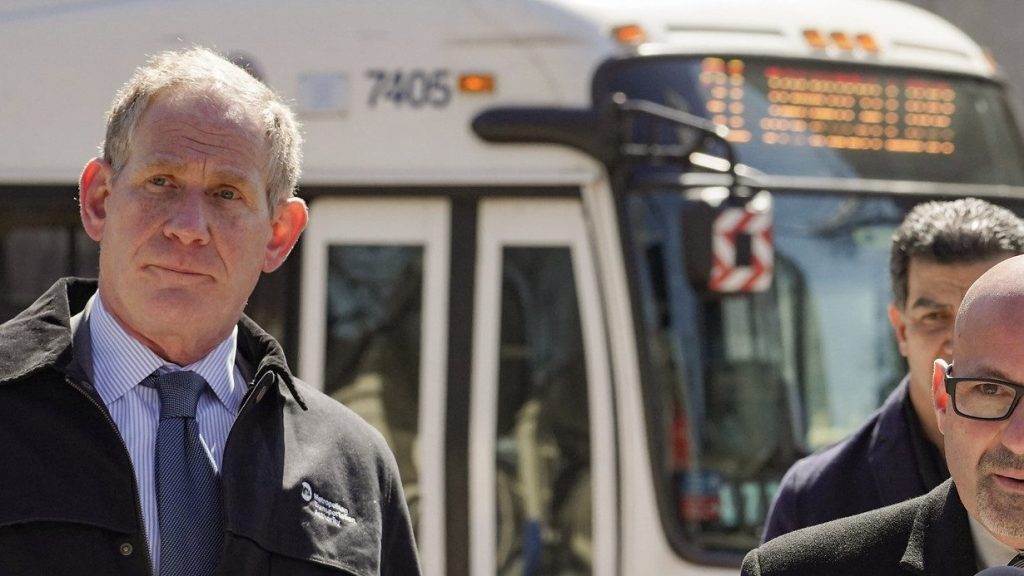
The NYPD needs to hire more Traffic Enforcement Agents to clear the road for buses at known hotspots where riders get stuck behind cars and trucks, MTA Chairman and CEO Janno Lieber said on Tuesday.
Lieber told City Council members that he wants more “dedicated funding for traffic enforcement to keep the [bus] lanes clear of private vehicles.”
“There are hotspots, there are bottlenecks all over the city where we need the traffic agents to keep it possible for buses to move,” he added.
The MTA relies heavily on bus-mounted enforcement cameras to ticket drivers who block bus lanes and bus stops and double-park along bus routes, but the programs are limited to just 56 routes — even as agency stats show they speed up buses by as much as 30 percent and reduce car crashes and injuries.
Bus cameras also issue fewer and fewer tickets as time progresses — indicating the ACE program reduces the number of drivers blocking buses.
However, the cameras don’t service most of the city’s bus routes — amd can’t physically move illegally parked cars and trucks, Lieber noted. The MTA has a list of locations outside of ACE routes where it wants to see more human enforcement.
“We have a little list of the top six or 10 bottleneck locations where the buses really lose time,” Lieber told reporters after the hearing. “We’re talking about the bottlenecks that are chronic and that need a traffic enforcement agent to break through so the buses can break through.”
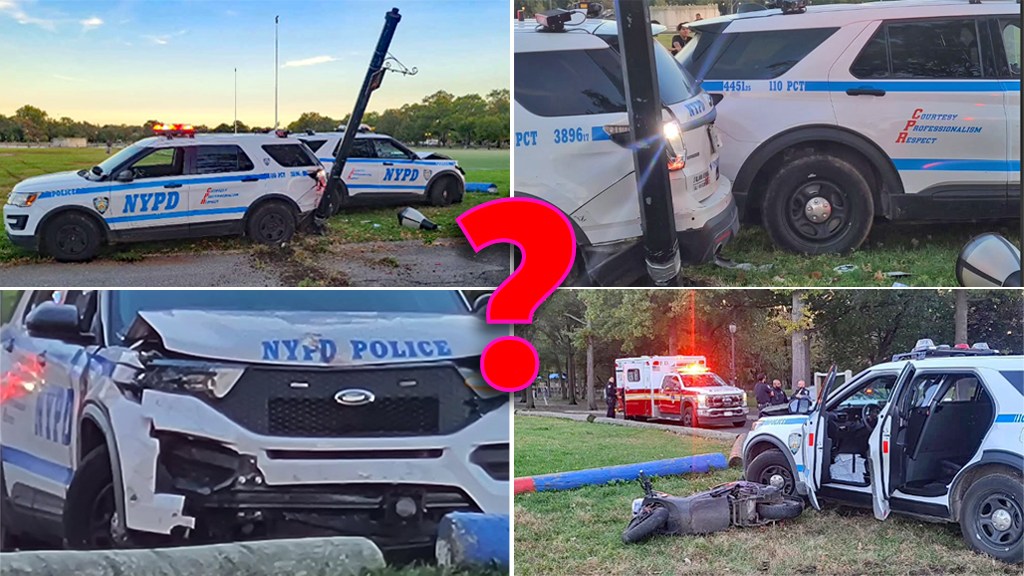
The bus-mounted cameras also exempt emergency vehicles — whether or not they are actually responding to an emergency, further limiting their effectiveness. Municipal employees with city-issued parking placards — including cops ostensibly responsible for enforcing the bus right of way — also get away with blocking buses with impunity.
Any move to add traffic agents needs involve setting higher expectations for the behavior of the officers themselves, said Riders Alliance Director of Policy and Communications Danny Pearlstein.
“It’s really important to get this policy right,” Pearlstein told Streetsblog. “Traffic agents have been known to block bus lanes just like school crossing guard supervisors sometimes park in crosswalks. Public excellence obviously demands much tighter operations than those, with explicit leadership from the top and buy-in to the mission at every level of command.
Placard reform is a key that opens many doors, from clearing bus lanes and routes to reducing congestion overall and speeding essential traffic citywide.”

Read More:
Streetsblog has migrated to a new comment system. New commenters can register directly in the comments section of any article. Returning commenters: your previous comments and display name have been preserved, but you'll need to reclaim your account by clicking "Forgot your password?" on the sign-in form, entering your email, and following the verification link to set a new password — this is required because passwords could not be carried over during the migration. For questions, contact tips@streetsblog.org.