Mamdani Wants Delivery Apps To Pay If Workers Ride Illegal Bikes
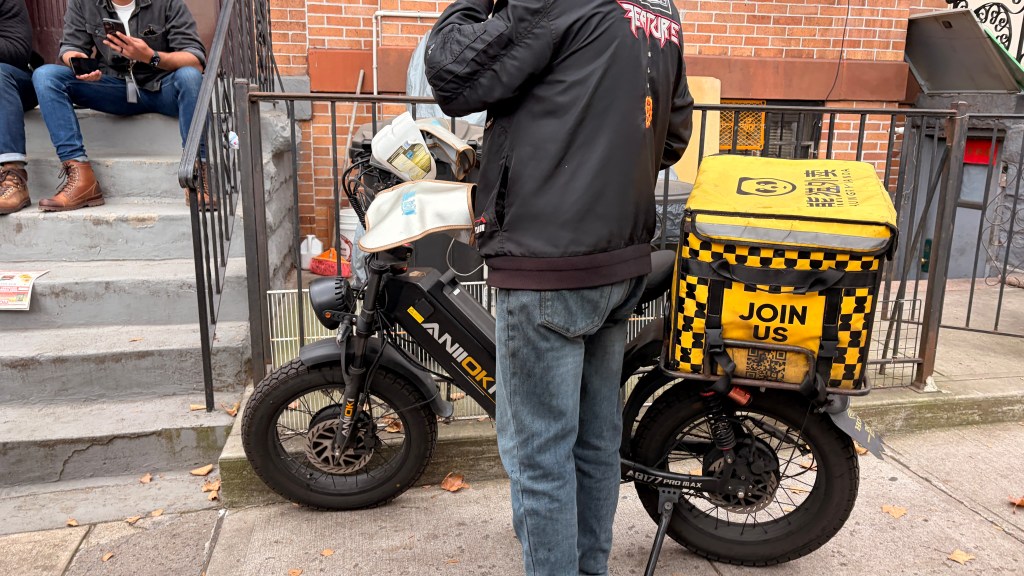
Mayor Mandani is pushing a City Council bill to require delivery companies to ensure that their independently contracted workers are using legal e-bikes and mopeds — but delivery workers are concerned that such a law will only result in more workers being deactivated.
On Thursday, Transportation Committee Chairman Shaun Abreu said he submitted the bill “at the request of Mayor Mamdani,” and championed it for holding delivery apps and companies “accountable for the e-bikes that their workers use.”
“My bill will protect deliveristas and pedestrians, while also reducing fire hazards,” Abreu (D-Morningside Heights) said in a statement. “Protecting everyone on our streets will require a comprehensive approach, and getting the dangerous, illegal devices off our streets is critical. We expect companies to uphold a basic standard of safety and legal compliance,” said Abreu in a press release announcing the initiative.
The bill is meant to tackle a two-pronged issue with electric bikes: the fire risk associated with uncertified lithium-ion batteries and the proliferation of illegal e-motos, which are faster and heavier than legal e-bikes.
Fires caused by the lithium-ion batteries that power the delivery boom are up 68 percent from the same period last year — and six New Yorkers have been killed in such blazes. (That figure doesn’t include another six New Yorkers who perished in a Sunset Park fire that may have been caused by the batteries, though that investigation is ongoing.)
But the head of the main delivery advocacy group said she is “deeply disappointed” by an approach that creates policies “without the meaningful input of delivery workers.”
“We are particularly concerned by the continued focus on enforcement without adequately considering the realities of delivery workers’ lives, the impact these policies have on their livelihoods, or the urgent need for a comprehensive, worker-centered transition plan away from unsafe devices,” said Ligia Guallpa, executive director of the Worker’s Justice Project.
“Giving enforcement power over the city’s laws to the same app delivery companies that steal workers’ wages and are deactivating workers by the thousands is a recipe for continued worker exploitation at the hands of multi-billion-dollar corporations that only care about profit, not about New Yorkers’ well-being.”
She said the end result of the bill would be that the app companies deactivate more workers, “leaving them without due process and placing the economic burden on workers and their families.”
City Department of Transportation Commissioner Mike Flynn did not address Guallpa’s concerns in his statement, which doubled-down on the need to rein in the apps for allowing workers to ride unsafe bikes.
“Delivery cyclists deserve to work with safe and street-legal devices as they serve our city every day and night and as New York’s delivery landscape continues to evolve, the need for transparency from delivery service companies is long overdue,” said Flynn’s statement. “Ensuring that delivery trips are completed on safe and compliant devices improves safety for all New Yorkers.”
This bill adds to the pile of legislative proposals associated with e-bikes, which are popular among the city’s around 80,000 delivery workers. Vehicles with a motor with more than 750 watts or that can reach speeds of over 25 miles per hour are illegal to ride on the street, but such so-called “e-motos” end up in the city’s bike lanes because of a largely unregulated online marketplace.
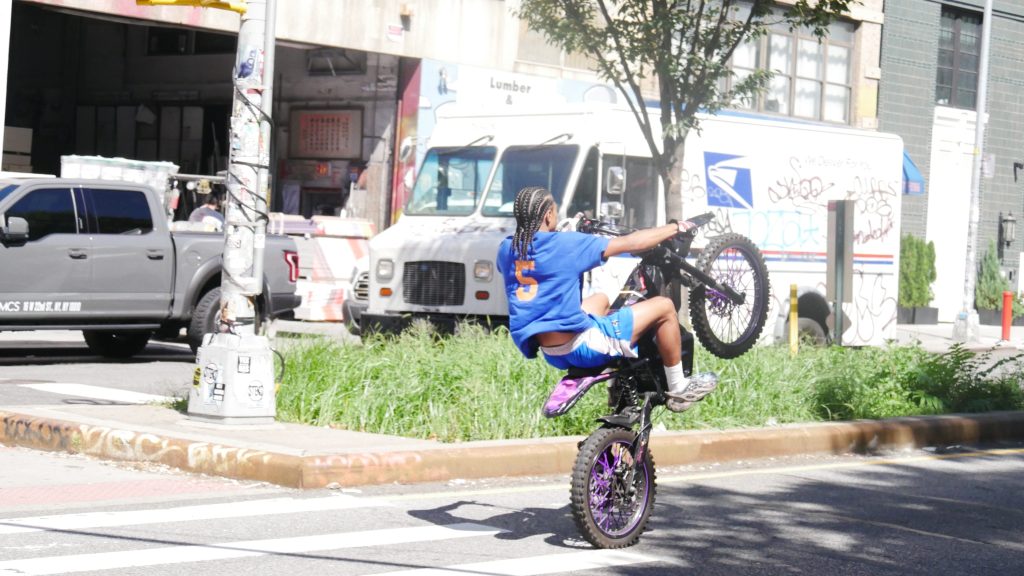
The city has worked to crack down on the websites selling these bikes by issuing cease-and-desist letters and sending out inspectors from the Department of Consumer and Worker Protection to survey brick-and-mortar locations.
One app company said the bill is misguided — and that the Mamdani administration needs to look itself in the mirror.
“Ultimately, the Administration needs to stop outsourcing enforcement,” said Josh Gold, the spokesperson for Uber, which owns Uber Eats. “It’s still far too easy in New York City to buy illegal devices and to buy devices that require a license to operate without ever getting one.”
It’s not the first time the Council has sought to require app companies to do more about their workers’ equipment. A similar bill in 2023 died. A 2024 Council bill that could have required apps to provide legal and safe bikes for workers was watered down to only cover ancillary equipment.
This is a breaking story and it may be updated. We reached out to City Hall and will update this story when we hear back.