Mamdani Administration Battling Yet Another Suit By Delivery Apps Fighting Worker Protections
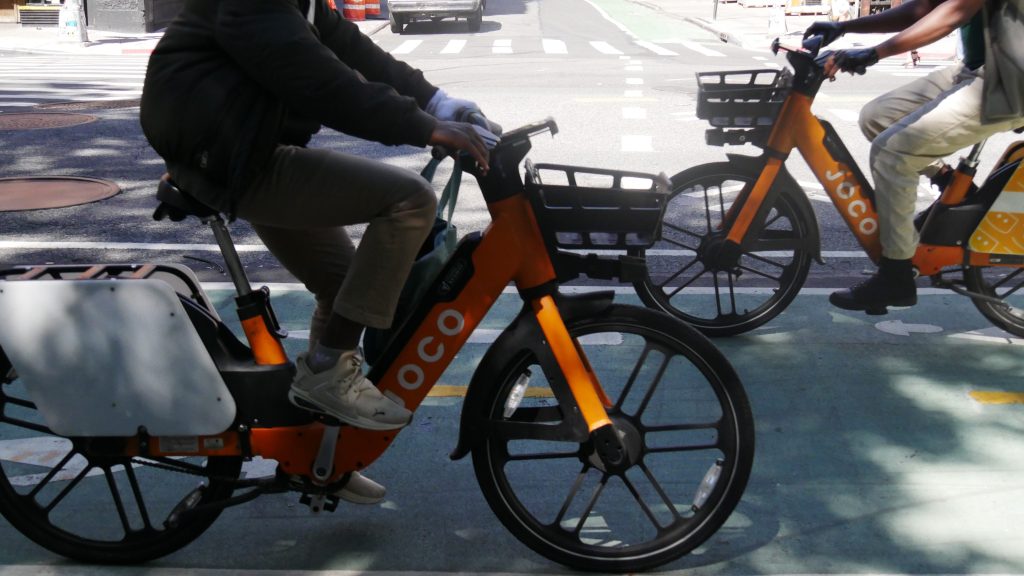
City officials and advocates are outraged that the tech giants behind the exploitive delivery gig economy have yet again sued to block a city law that protects delivery workers from random deactivations — a key workplace improvement that also keeps streets safer.
Last week, Uber, Instacart and Amazon sued to block new requirements to give workers “deactivation” protections — that is, giving workers 120 days’ notice before kicking them off the platform permanently and providing a reason for the deactivation; creating a progressive discipline structure so that deactivation is a last resort; and creating an independent appeals process.
The law builds on the success of the delivery worker minimum pay standard and is seen as essential for street safety because it would eliminate the constant threat of deactivation that leads to workers to put street safety on the back burner in order to keep their precarious jobs. The city vowed to defend it in court.
“The Department of Consumer and Worker Protection will not back down from protecting the rights and safety of all New Yorkers,” agency Commissioner Sam Levine said. “New York City deserves safe streets and delivery workers deserve dignity and due process.”
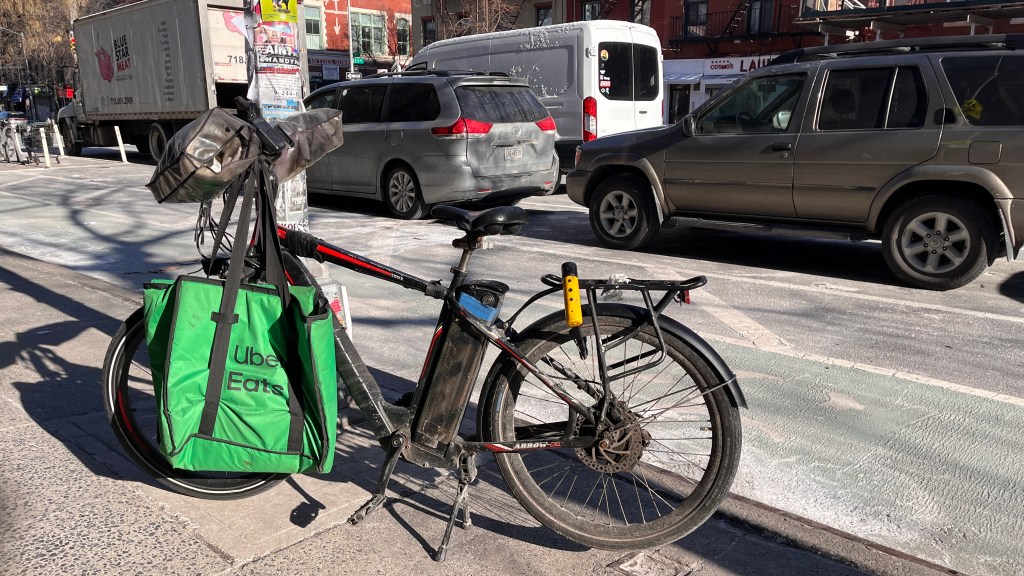
One progressive lawmaker slammed the corporations for the latest suit, which follows an earlier effort to defeat the minimum wage law.
“Every single time we’ve passed a piece of legislation to protect these workers, the [delivery companies] have spent a ton of money to stop the bill. They lose, and then they spend a ton of money on legal challenges that they ultimately lose and end up having to settle,” said Council Member Sandy Nurse (D-Bushwick). “They have a lot of money to burn, and instead of burning it, they should just pay their workers and find ways to work with the city and DCWP to protect them and come up with fair agreements. It’s not hard, but they don’t want to jeopardize their bottom line.”
In the latest case, Amazon, Uber, and Instacart are making a federal case of their opposition, suing on Oct. 28 in the Southern District of New York to stop the law from taking effect in January. The complaint alleges that Local Law 34, which passed last year, violates the constitutional rights of the companies because it undermines their “ability to exercise their own respective business judgments about who is allowed access to their applications.”
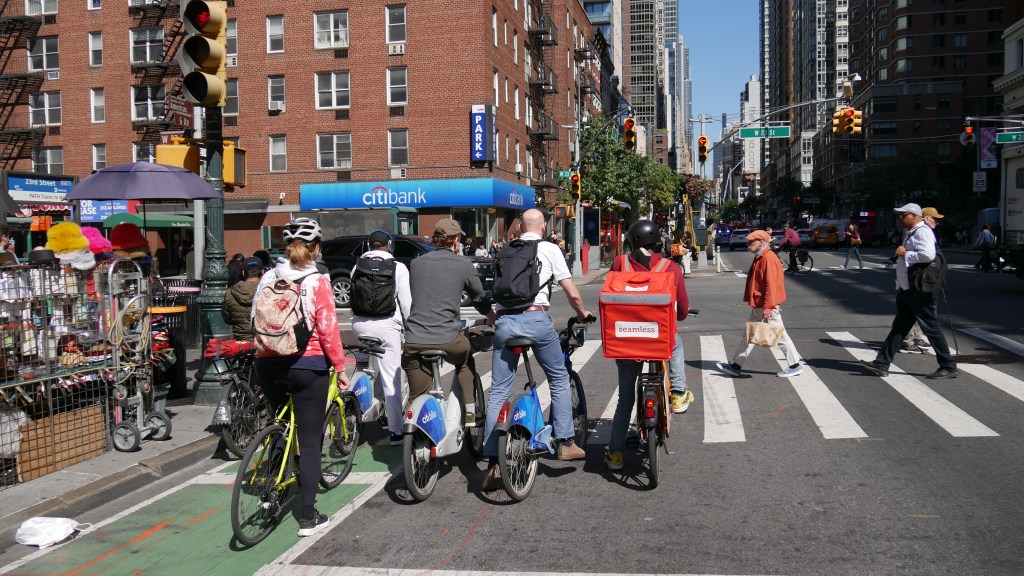
The companies also argue that sharing details about deactivations with workers would put customers at risk and could give so-called “fraudsters” information on how to better defraud the system.
“Uber also does not disclose details of its decision when it has deactivated a courier based on fraudulent activity because doing so would provide couriers with information they could exploit to evade Uber’s fraud-detection mechanisms in the future,” the complaint reads.
Instacart had a similar rationale. The company said that even “limited detail” can allow one of its contracted workers to “identify the customers who filed the report.” The company claims around 5 percent of its workers were deactivated in the past year, thats around 600 of the 12,000 grocery delivery workers the company claimed in its city-mandated reports.
Amazon said it contracts around 73,400 “flex” workers, who use the company’s app to do deliveries with their personal cars. The Bezosian behemoth said its deactivation rate was around 2.9 percent, which translates to about 2,100 human beings.
Instacart said in a statement that the law “would make it harder to protect against fraud, theft, harassment, and unsafe conduct” and that it joined the lawsuit “to protect the safety and trust that shoppers, customers, and retail partners expect us to uphold.”
Amazon concurred, but also argued that the law is unconstitutional.
“Amazon Flex enables tens of thousands of New Yorkers to earn money on their own terms, and deactivations are rare, reserved for serious issues such as theft, fraud, safety, and service violations,” said company spokesperson Steve Kelly. “This law would put customers at risk by hampering our ability to act quickly against misconduct and uphold the standards that keep deliveries safe and reliable. A federal court has already blocked the nearly identical companion law for ride-share drivers, concluding it’s likely unconstitutional.”
Kelly was referring to a ruling earlier this year by a different Southern District judge that blocked a city law that sought to protect Uber and Lyft drivers from the same types of deactivation. That law, indeed, has yet to take effect as a result of the judge’s injunction.
Cutting through the legalese, the city’s delivery workers are adamant that deactivations lead to unsafe streets.
“These corporations use the threat of deactivation to pressure delivery workers to move faster and complete more orders, putting workers’ lives and livelihoods at risk,” the Worker’s Justice Project’s Los Deliveristas Unidos said in a statement. “Worker safety is public safety.”
That echoed a recent report by the Department of Consumer and Worker Protection that identified worker protections “essential” for street safety.
For its part, the City Council defended its work to protect the large delivery workforce.
“It is the Council’s responsibility to ensure that all working New Yorkers are safeguarded from worker exploitation and are given the opportunity to earn a sustainable living wage,” said the Council’s spokesperson Sophia Saidi. “Speaker [Julie] Menin has made worker protection a top priority, especially vulnerable and low-wage workers, as New Yorkers across the board continue to face rising costs of living.”
Uber did not respond to Streetsblog’s request for comment. It is unclear why DoorDash and Wonder, which owns Seamless and Grubhub, are not part of the suit; neither company responded to Streetsblog’s request for comment.