Tuesday’s Headlines: Empire State Wilting Edition
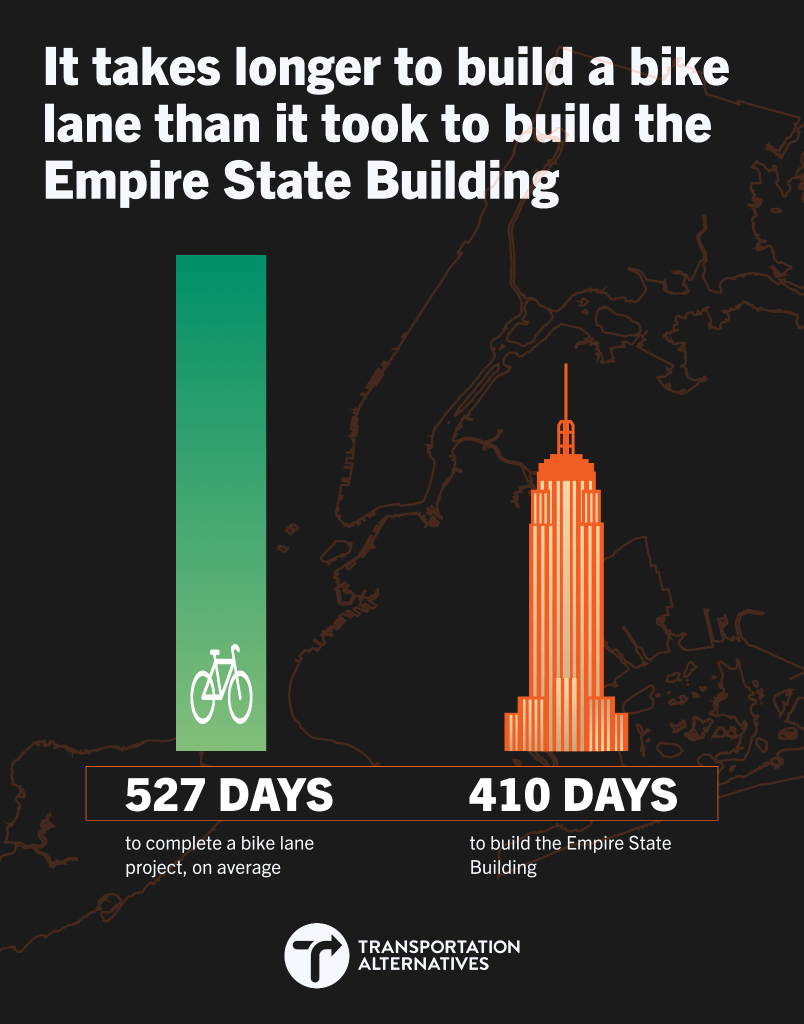
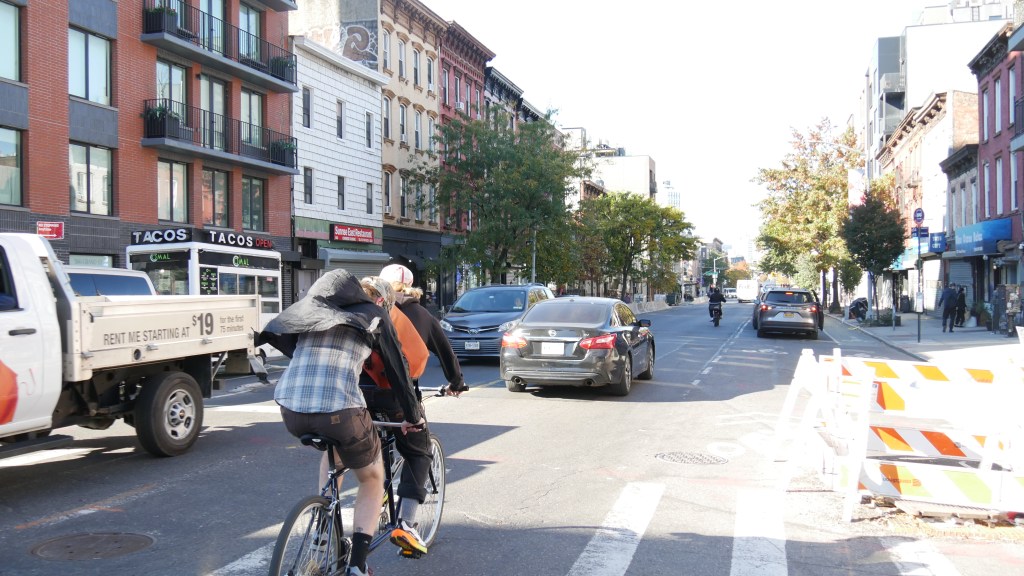
Just in time for today’s election, Transportation Alternatives has put out a new report revealing that Department of Transportation projects take too long to go from public presentation to completion.
The group reviewed all bike lane projects announced between 2022 and 2025, and found that an average of 527 days passed between that presentation and completion, which is a lot of time when you consider that it famously took 410 days to build all 102 floors of the Empire State Building nearly a century ago.
Setting aside whether the bike lane vs. Empire State Building comparison is apt (it’s not) — 527 days is a very long time between telling a community board the plan and finishing said project. Yes, there’s usually an intermediate step — defending the plan against the inevitable (and inevitably fruitless) lawsuit — but it still takes too long to make roadways safe.
During those long interregnums, people have been injured and killed, as the group points out:
- On Tremont Avenue in the Bronx, safety improvements proposed in June 2024 were not completed until September 2026. In that time, 17 New Yorkers were seriously injured on the street.
- On Third Avenue in Brooklyn, safety improvements proposed in 2023 have yet to be installed. Since 2022, three pedestrians have been killed, and 14 people have been seriously injured.
- In Sunset Park, safety improvements proposed in 2020 have still not been installed. In 2025, two elderly women were killed while walking in separate incidents on Seventh Avenue.
“Red tape is killing New Yorkers,” said Ben Furnas, the group’s executive director. (For another reminder of why timely safety projects are important, check out Erik Engquist’s tweet below):
Delays were also an issue in a report issued last week by Comptroller Mark Levine, whose office that more than half of restaurants that received outdoor dining licenses since the program began in March 2024 waited more than 19 months for approval — far longer than the Department of Transportation’s eight-month timeline.
The good news? DOT started doing a much better job in 2026, after the swearing in of a new mayor. Before that, DOT submitted roughly 29 permits per month to the Comptroller’s office, but starting in February 2026, that number rose to an average of 228 permits per month, rising to 475 permits in July 2026.
“While this increase represents meaningful progress, it does not erase the lengthy delays experienced by applicants or establish whether the program can consistently deliver timely approvals going forward,” Levine’s office wrote. “As of mid-June, when data was collected as part of this investigation, only one roadway application filed in 2026 had resulted in a license within six months. DOT was still working through large numbers of older applications, and 2,115 applications remained pending.”
The takeaway from both these reports: We need city government to be more nimble so that it can better serve the public. Fortunately, there are two referenda about that on today’s Election Day ballot (we’ve covered them, and Gothamist and The City Reporter did yesterday, too): Proposal 1 will make it easier to open outdoor dining setups. And Proposal 3 will cut down the time it takes for the city to redesign roadways for safety.
As a non-profit, we’re not allowed to endorse candidates, but we can endorse ideas — and both of these proposals have our support (as well as the support from the more-eloquent Open Plans). In any event, please vote and remember to turn over your ballot for the referenda. (And find your polling place here.)
In other news:
- Game on? When will the MTA restore the basketball court near our office? (Gothamist)
- Non-starter: The Citizens Budget Commission is already putting it out there that the MTA should cut some jobs to save money. (Gothamist)
- Welcome to the war on s-cop-laws, Hunters Point Ledger!
- One last bit of Halloween treat: The DOT’s costume contest! (Instagram)
- Who choses the MTA’s poems? (Lit Hub)
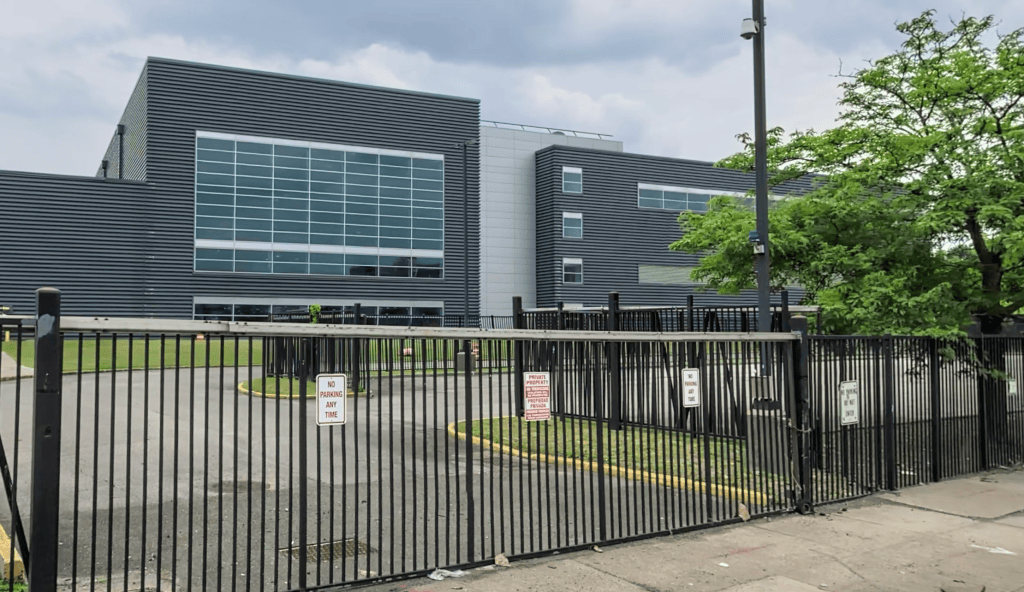
- Mayor to ICE: Stop using our parking lots. (NY Times, NYDN)
- Subway ridership soared during the Marathon on Sunday. (NYDN)
- The plutocratic populists at the New York Post are at it again: an editorial board that believes that congestion pricing is a “tax” on the middle class now want you to believe that they care about bus riders. Fact: The Post’s editors don’t care about bus riders; they just want to undermine public faith in transit so that less public money is allocated to transit, starving it further and serving their larger anti-urban agenda of encouraging more car ownership and use.
- Case in point: The Post thinks the PATH train is too expensive. Now do cars, Rupert!
- And, finally, in case you missed it, here’s Streetsblog’s Sammy Sussman and Henry Beebe-Center getting to the bottom of the car-filled bridle path in Central Park: