Mayor Mamdani Moves To Curb Truck Impacts With Warehouse Regulations
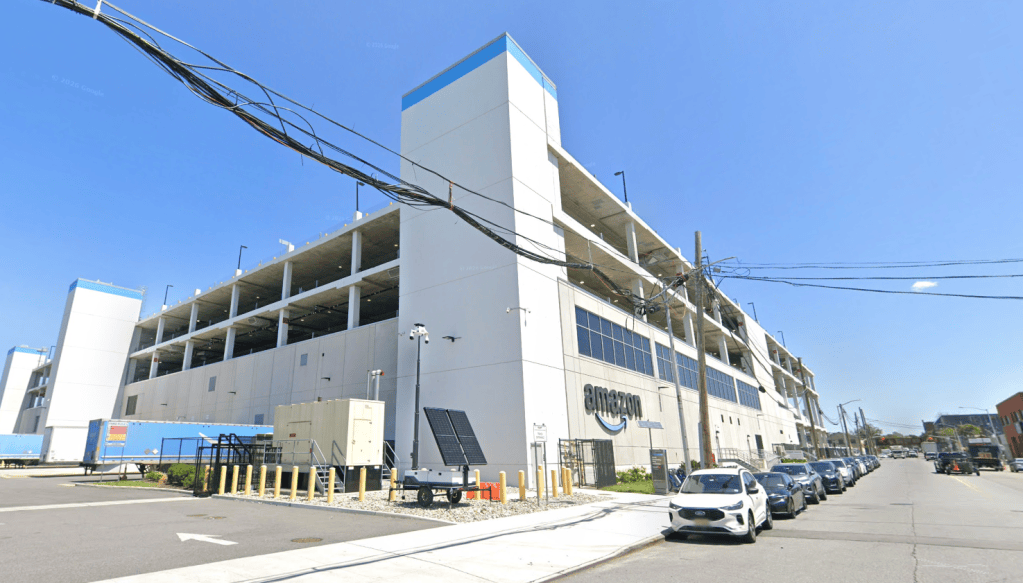
The Mamdani administration says it will reduce the pollution, crashes and health risks associated with large warehouses by forcing the largest facility operators to ween themselves off dangerous diesel trucks with a menu of options.
The initiative, known as “Warehouse Indirect Source Emissions Reduction” or WISER, would affect facilities bigger than 50,000 square feet. Qualifying warehouse owners can chose how to reduce their negative impact, like buying electric trucks, delivering with cargo bikes, building e-vehicle charging infrastructure, installing solar or paying a tax on pollution, according to a draft scope of work put out by the city Department of Environmental Protection in October.
The previous administration supported the goals of the program, but “stalled” the environmental review, said Council Member Alexa Avilés (D-Sunset Park), whose bill created the initiative.
“We are delighted to see things kick off and move,” Avilés told Streetsblog. “Our city is past due if we want to meet our climate goals.”
A public meeting on Tuesday night started a roughly one-year environmental review process which is required before the Council can vote on a policy of this kind. One research analyst called it “funny,” considering the rule is meant to benefit the environment.
“We still do environmental review of programmatic changes, even ones that are intended to benefit the environment. So that’s what’s happening here,” said Sasan Saadat, senior research and policy analyst at Earthjustice, an environmental group pushing for the program. “It is basically seeing if there are any unintended environmental consequences, and it’s also to show what the impacts of a ‘no action’ scenario would be.”
But “no action” isn’t an option, the environmental groups that testified charged, especially for those who live near these facilities.
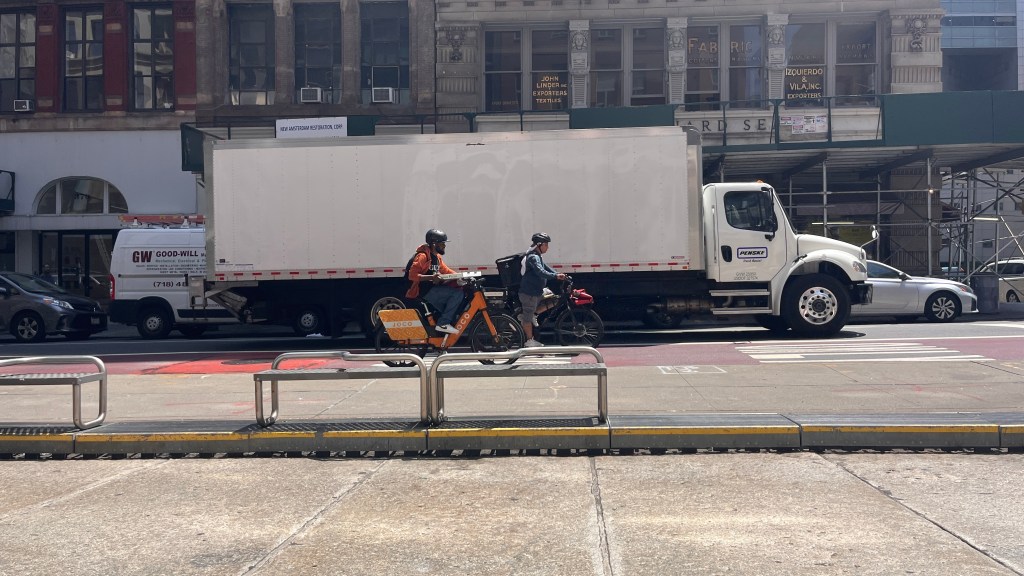
“Every morning I bike from Sunnyside, Queens to offices in Greenpoint, Brooklyn. And there are sections of my commute where more than half the vehicles passing me on a roadway are UPS and FedEx trucks,” said Willis Elkins, the executive director of the Newtown Creek Alliance. “Currently, there are 16 last-mile facilities along the Newtown Creek and even more are projected to come. We need strong regulations to address the adverse environmental health impacts.”
But these warehouses are filling a need. Ninety percent of goods in the city are delivered by truck and more than 80 percent of New Yorkers get at least a package per week. Delivery is cheaper than ever for consumers and the service is increasingly on-demand. E-commerce companies opened 21 last-mile warehouses since 2018. These warehouses, in the city’s industrial business zones, increased truck traffic on nearby streets, and with it traffic crashes, according to the city Comptroller’s office.
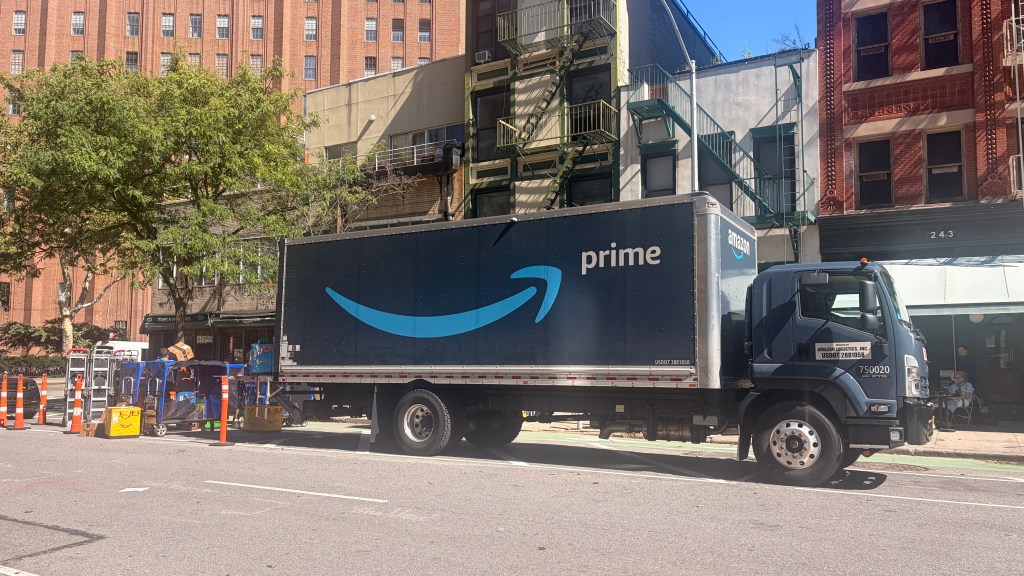
“Now because they are trying to deliver directly to people’s doorsteps and they’re delivering lots of goods to lots of people every day, [the warehouses] are getting cited closer and closer to where people live,” said Saadat.
There are 305 “potentially affected warehouses” in the city that could be regulated under WISER, the majority in the industrial areas of Maspeth, Queens, and nearby North Brooklyn, the South Bronx and Red Hook, Brooklyn, according to the DEP’s market assessment.
Under the WISER program, each warehouse would have to count the number of vehicles using the facility. The number of trips and type of vehicle making the trips will generate a “points obligation” for compliance. That’s where the menu of options comes in: warehouse operators select weighted mitigation strategies that equal its points obligation. Some of those mitigations could help ween the city off trucks.
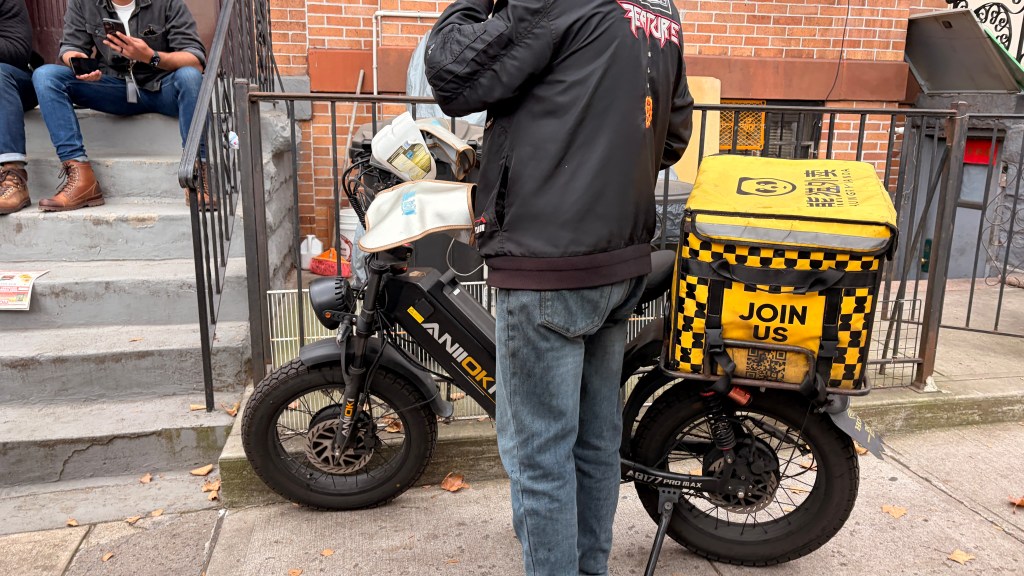
“There’s a lot of opportunity here to be more creative and flexible in New York City, and think bigger picture than just getting vehicles off of diesel pollution,” said Saadat. “The compliance pathways being considered also includes acquisition and use of cargo bikes, the introduction of locker systems … investment in things like the blue highways system … and the build out of microhubs — systems where you reduce the need for truck trips altogether.”
But critics say WISER won’t tackle the root problem: overconsumption.
“WISER regulates buildings, but buildings don’t drive trucks,” said Miquela Craytor, who worked at the New York City Economic Development Corporation during the de Blasio administration and now runs a consulting business, at the public hearing. “Most warehouse owners don’t control the fleets that visit them, and many of the dirtiest trucks fuel up outside our city. This proposal and program never touches what actually puts trucks on our streets: how much we all buy, and our expectation of free, fast delivery.”
Avilés pushed back, emphasizing that there is no one solution to the city’s freight woes. WISER is just one piece of the city’s freight management puzzle. A new city Council bill would ban diesel powered refrigerated trailers at the city’s largest food distribution center, Hunts Point Market. The Department of City Planning is developing a special permit for last-mile warehouses, another Council bill would force these types of warehouses to directly hire its delivery drivers, and the city just revamped its truck routes.
“We have to do all the things because there is no silver bullet,” said Avilés. “If we purport to care about people and wan’t to keep them health and safe, we’re going to have to continue to pursue this policy.”
New Yorkers have until Dec. 17 to submit written comments.