Mamdani and City Council Agree to Expand ‘Fair Fares’ Half-Priced Transit Program
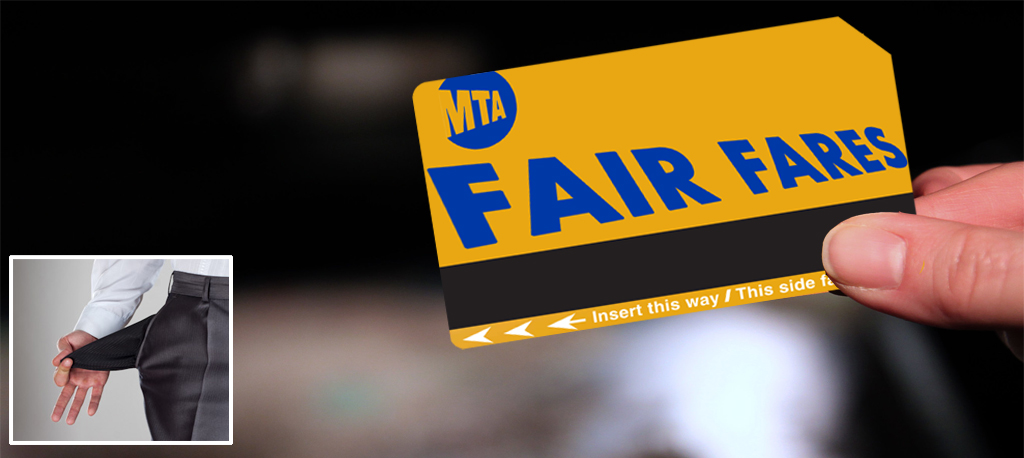
Fair Fares is getting a little more fair.
Mayor Mamdani and the City Council will expand the city’s half-priced transit fare program, but eligible riders will still need to apply for the subsidy on their own — a process that depresses participation, according to critics including the mayor himself, who made the shortcoming a key part of his pitch for fare-free buses on the campaign trail last year.
The budget announced on Tuesday by Mamdani and Council Speaker Julie Menin expands the “Fair Fares” program to offer half-price transit fares to the 1.3 million New Yorkers between the age of 18 and 64 who earn 200 percent of the federal poverty level or less — the largest single year expansion of the program since its inception in 2019.
Speaker Menin took credit for the $174.6 million program budget — a 54 percent increase from the budget Mamdani proposed in May.
“The Council secured the largest expansion of Fair Fares in the program’s history, making hundreds of thousands more New Yorkers eligible for half-price transit fares,” she said in a statement. “This investment will help more people get to work, school, medical appointments and other essential destinations, while putting money back in the pockets of working families.”
Despite the expansion, eligible New Yorkers will still need to seek out and apply for the program — even if they are enrolled in other city benefit programs that cover the same income thresholds.
The lack of automatic enrollment undercuts Fair Fares participation, which sits at just one-third of eligible participants.
Transit and anti-poverty advocates who backed the Fair Fares expansion want the city to automatically enroll eligible New Yorkers by simply mailing them a discount OMNY card. They point to Philadelphia, which saw 60 percent participation in its automatic-enrollment income-based free transit pilot program.
A bill from Council Member Crystal Hudson (D-Brooklyn) would automatically enroll New Yorkers in any city benefit program for which they’re eligible, including Fair Fares. A spokesperson for Speaker Menin said she supports automatically enrolling people in Fair Fares, but she is not one of its ten co-sponsors.
Before and after his election last year, Mayor Mamdani cited low Fair Fares participation as justification for his stalled proposal to eliminate fare collection on city buses.
Hizzoner has argued that a universal benefit would help more low-income New Yorkers than the existing means-tested enrollment-based program. The U.S. Department of Health and Human Services sets the official “federal poverty level” to help determine eligible for government programs and benefits, but it’s not a perfect measurement of financial need.
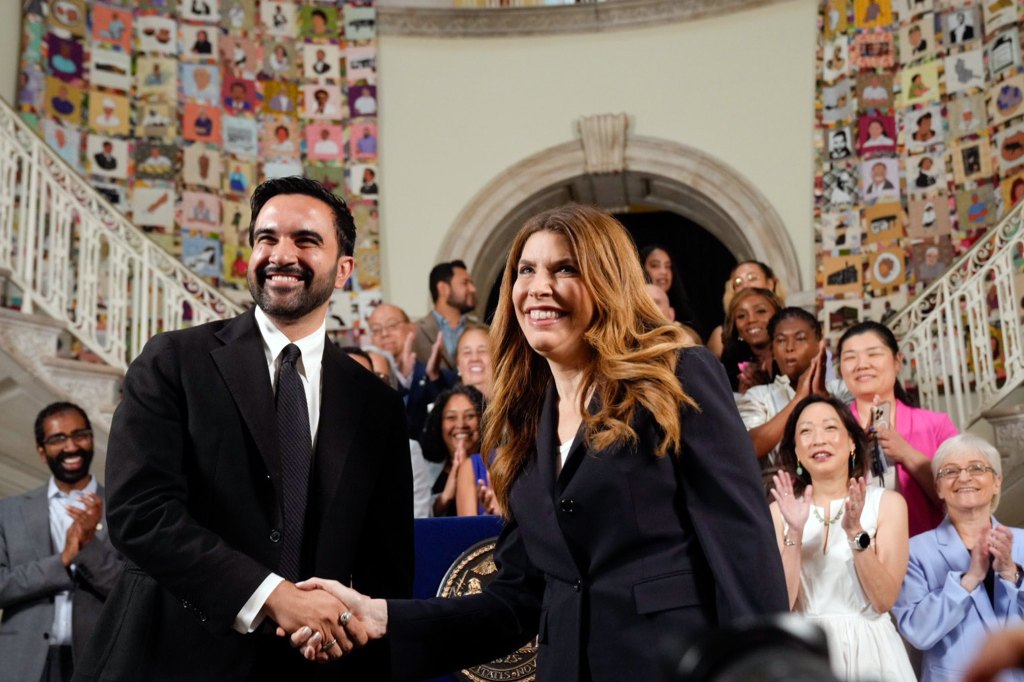
Transit advocates credited Mayor Mamdani for agreeing to expand the program even though it didn’t quite match up with his campaign promises.
“Consistent with what Mayor Mamdani promised during his campaign and with his commitment to economic justice,” said Riders Alliance Executive Director Betsy Plum. “We look forward to working with his administration to continue to lower costs for public transit riders in the budgets and years to come.”
The expansion agreed on by the speaker and mayor fell short of what advocates had pushed for in the lead-up to the budget deal, however.
One proposal, from a coalition including the Riders Alliance, the Community Service Society and the Permanent Citizens Advisory Committee to the MTA, would have given free fares to adults who earn 150 percent or less of the federal poverty level and half-priced fares to people earning between 150 and 300 percent of the federal poverty level.
Another proposal from the Citizens Budget Commission called for expanding the half-priced discount to adults earning up to 250 percent of the federal poverty level.
The group has argued that expanding Fair Fares will help more New Yorkers than the mayor’s free bus proposal, since working low-income New Yorkers rely more on the subway than the bus to get to their jobs.
“We cheer for the Fair Fares expansion up to 200 percent of the Federal Poverty Level, which moves toward the expansion CBC supports,” said Citizens Budget Commission President Andrew Rein. “This common sense move will improve transportation access for more working New Yorkers, enabling riders to choose the mode that works for them at a fraction of the cost of free buses.”

Read More:
Streetsblog has migrated to a new comment system. New commenters can register directly in the comments section of any article. Returning commenters: your previous comments and display name have been preserved, but you'll need to reclaim your account by clicking "Forgot your password?" on the sign-in form, entering your email, and following the verification link to set a new password — this is required because passwords could not be carried over during the migration. For questions, contact tips@streetsblog.org.