Mamdani’s Housing Plan Builds On ‘City Of Yes’ — But It’s Thin on Taking on Parking Minimums
City of Yes … and?
Mayor Mamdani wants to build more apartments near transit — and to do that, he’s talking about updating the city’s zoning code by building on one of his predecessor’s most-ambitious efforts.
“The City of Yes for Housing Opportunity,” former Mayor Eric Adams’s citywide zoning change, allowed some so-called transit-oriented development, but was watered down by lawmakers in existing single-family-zoned districts and others who wanted to ensure that new developments adhered to Robert Moses-era imperatives to preserve parking.
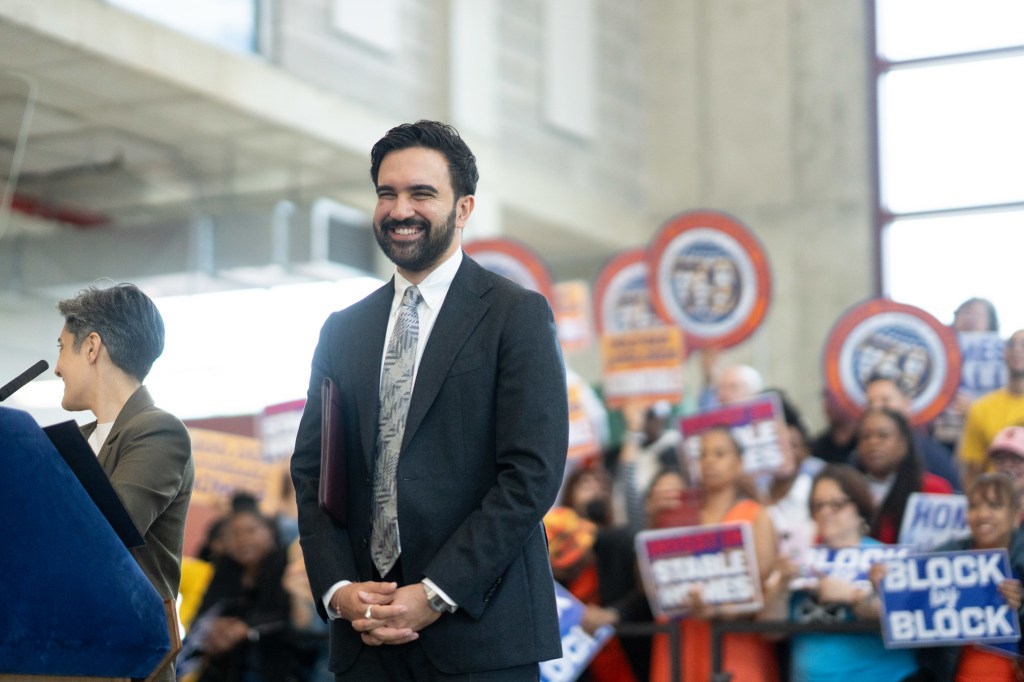
Mamdani’s new plan — dubbed “Block by Block: The Housing Plan for A New Era” [PDF] — says the administration will seek to extend “to medium- and high-density areas the ‘qualifying residential sites’ framework created for low-density areas as a part of the ‘City of Yes’ zoning reform, which grants density bumps to certain sites close to transit.” But the plan doesn’t predict any major changes to City of Yes when it comes to taking on mandatory parking minimums.
Still, the focus on a “citywide” approach opens the door to undo some of the watering down, one expert hopes.
“The Council made these carve-outs for the low-density districts and some of those low-density districts are pretty well served by transit — maybe that hopefully opens the door of revisiting that decision of those carve outs,” said Marcel Negret, the director of Land Use at the Regional Plan Association, who has authored reports on the difficulty of building middle density housing in New York City.
The Adams administration’s “City of Yes” transit-oriented development plan would’ve allowed developers to build taller within half a mile of transit in R1-R5 districts, which encompasses single-family neighborhoods and mid-density neighborhoods. The Council modified the plan in late 2024 to entirely eliminate R1 and R2 (single-family) districts, while also reducing the radius around transit stations for the new development, and limiting the upzone bonus to lots over 5,000 square feet and on a wide street or a corner lot.
Mamdani’s housing plan says that transit-oriented development plans will combine “targeted rezonings,” like neighborhood plans, and citywide zoning changes.
“There will be some areas that where they say, ‘Hey, this is where the problem is,’ and then there will be some across the board things that they think are worth doing,” said Howard Slatkin, the executive director of the Citizens Housing and Planning Council and a former top official at the Department of City Planning under former Mayor Bill de Blasio and Mayor Adams.
When asked about whether or not the administration would consider revisiting single-family transit-oriented development bonuses, a spokesperson for Mamdani administration said that “building more housing near mass transit is common sense,” and that the administration looks forward to working with the City Council, which would have to approve any change to the zoning code.
A spokesperson for Council Speaker Julie Menin (D-Upper East Side) echoed the need for Council approval.
“Amid a worsening housing affordability crisis, Speaker Menin and the Council strongly support proactive efforts to increase housing supply, lower costs, and make it easier for New Yorkers to remain here. The Council is reviewing the Mayor’s housing plan and proposals related to Transit-Oriented Development, and we look forward to having productive conversations with the administration and stakeholders on this shared priority.” said City Council spokesperson Benjamin Fang-Estrada.
In other words, wait and see.
The makeup of the Council hasn’t changed dramatically since City of Yes was modified in 2024, and many of the members who kept single-family zoning out of the plan, like Land Use Chair Kevin Riley (D-Bronxwood), remain in key positions.
A Streetsblog analysis of sites that would be optimal for transit-oriented development, but were carved out of the City of Yes framework, identified subway stations that are near single-family-zoned areas but have short commute times to midtown, like Newkirk Plaza in Brooklyn and 174th Street in the Bronx.
During a press conference on May 26, Mayor Mamdani stressed that zoning changes in the past 60 years created the housing crisis the city is facing today by making it harder to build housing in many city neighborhoods. The current shortage of vacant apartments has led market-rate rents to increase by 36 percent since 2015, according to a Regional Plan Association report, City of Yes and Missing Middle Housing.
“Over the past 60 years the government helped create the housing crisis we now face through a series of choices,” he said.
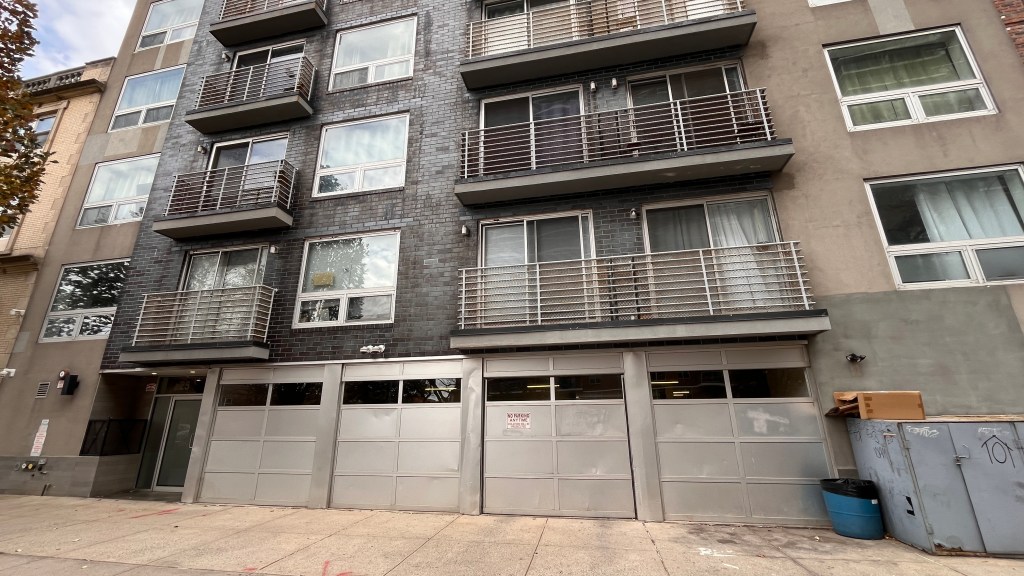
One factor that greatly restricted housing was the addition of mandatory parking minimums to the city’s zoning code, which required developers to build an arbitrary number of parking spots per unit of housing. Parking mandates are a product of the Robert Moses-era City Planning Commission, which introduced mandates in 1950 and expanded them in the ’60s to include commercial and mixed-use buildings. Developers often build less housing in order to avoid triggering mandated parking because the average cost of building an underground parking space in the city is $67,500, according to the planning department. The city is filled with examples of developers under-building in order not to have to build costly parking.
The original City of Yes proposal would’ve eliminated parking mandates altogether, but intense opposition from a vocal minority led the Council to instead loosen restrictions through new “transit zones.”
Mamdani’s 111-page housing plan mentions parking minimums only once — and quite off-handedly: “Citywide transit-oriented development will also look at the housing potential locked up in required but underutilized surface parking lots in areas well-served by mass transit. These may be residential, commercial, or other lots built in eras with far higher parking requirements and less desperate housing shortages.”
Slatkin wants a bit more, to say the least.
“The city should keep its eyes open to the potential of further relaxation in parking requirements, whether residential or otherwise, to unlock the potential to get more housing,” he said.
Negret is hopeful that with a change to the zoning code focused on transit-oriented development, there could be further loosening of the city’s requirements to build parking with new housing.
“I’m hopeful that the mention of the citywide proposal also leaves the door open for [getting rid of] parking requirements. Maybe that’s also a thing that could be expanded into the outer transit zones, or even the full city. We’ll see about that,” he said.

Read More:
Streetsblog has migrated to a new comment system. New commenters can register directly in the comments section of any article. Returning commenters: your previous comments and display name have been preserved, but you'll need to reclaim your account by clicking "Forgot your password?" on the sign-in form, entering your email, and following the verification link to set a new password — this is required because passwords could not be carried over during the migration. For questions, contact tips@streetsblog.org.