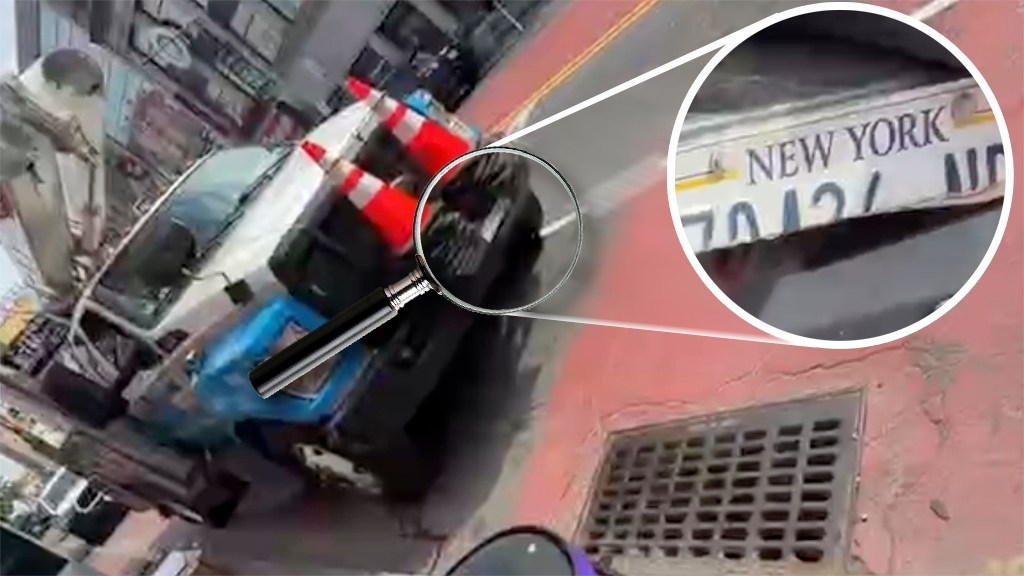
Almost 1,000 Outdoor Dining Permits Stuck in Bureaucratic Backlog
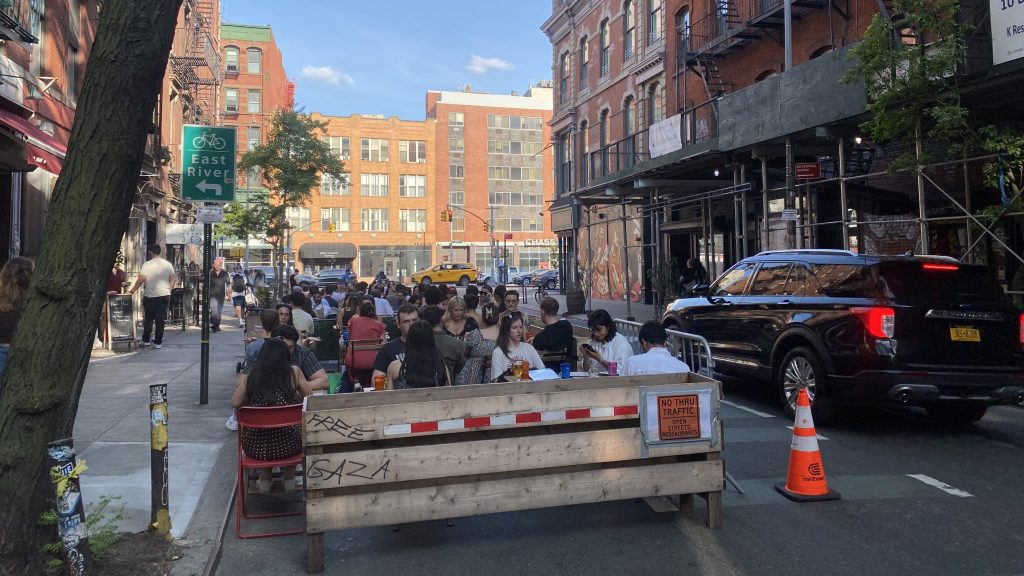
Nearly 1,000 restaurants are still waiting for their outdoor dining permits under the failed program devised by the last mayor and City Council, according to Comptroller Mark Levine, who called on the Mamdani administration to unclog the backlog.
The city’s fiscal watchdog has only received 1,225 applications for his approval from the Department of Transportation, as more than 900 are currently still in a bureaucratic holding pattern. Levine called on officials to speed up the process, and plans to investigate the city’s cumbersome rules legislated by the City Council two years ago.
“Restaurants are struggling to cut the red tape on a slow and cumbersome permitting process,” Levine wrote in a letter [PDF] to DOT and the mayor’s office. City Hall and DOT “must streamline and make more transparent their review process and approve sidewalk and roadway cafés in time for the season,” he said.
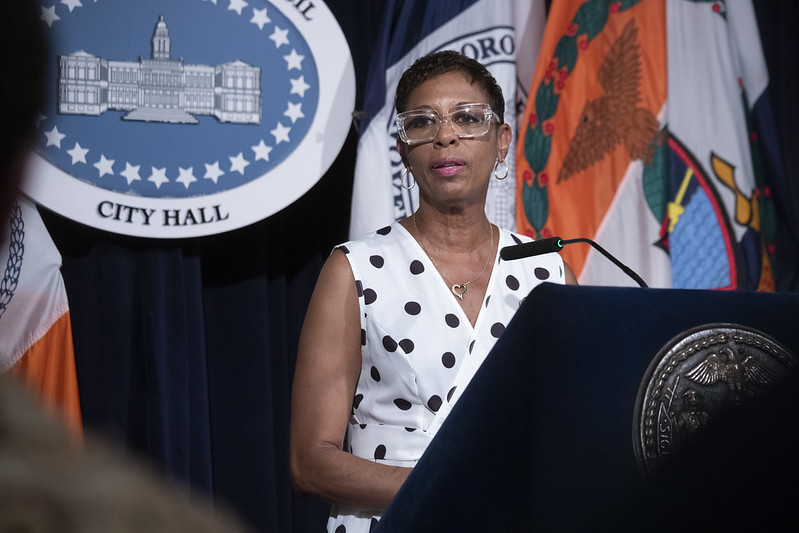
The delays have kept many restaurants from setting up tables and chairs outside, as the seasonal roadway dining program returned last month following a four-month winter pause, enacted by the Council in 2023 under then-Speaker Adrienne Adams and signed off by former Mayor Eric Adams.
There are currently just 1,119 outdoor dining setups with full approvals, including 616 roadway and 503 sidewalk cafés, according to the latest city public data. Most of them are in Manhattan and wealthier parts of Brooklyn, similar to the more restrictive pre-pandemic sidewalk café program.
An additional 1,114 are “otherwise allowed to operate,” including via conditional approvals, according to a DOT spokesperson. Another 919 establishments are “currently working through the requirements” and aren’t authorized, including 670 that are “on pause,” because they haven’t provided legally required information, the rep added.
“These participation numbers show exactly what we warned about: seasonality and a lengthy, bureaucratic approval process are making it harder for restaurants to participate,” said DOT rep Will Livingston in a statement. “The City Council should act quickly to reform the outdoor dining law and remove unnecessary hurdles that lengthen the application process and deter participation.”
The last city leadership hamstrung the popular initiative by banning roadway cafés in December, January, February and March to hand the curb space back to personal car parking, while allowing sidewalk setups year-round. The Council also legislated many new layers of bureaucracy and outside interventions on top of that, including by local Council members and the city’s often parking-obsessed community boards.
The number of participating restaurants has plummeted from a high of around 6,000-8,000 during the temporary pandemic program, and Council Speaker Julie Menin vowed to bring back year-round roadway dining, which Mamdani also supports. A rep for Menin said the Council will wait until a city environmental review of full-year outdoor dining concludes in August, meaning September would be the earliest lawmakers can pass legislation.
“Speaker Menin strongly supports expanding outdoor dining into a year-round program that better serves both New Yorkers and the small businesses that help make our neighborhoods vibrant,” said Henry Robins, a spokesman for the speaker, said in a statement. “A permanent, well-designed program can help restaurants generate additional revenue, reduce storage costs, and continue activating streetscapes across the city.”
Restaurant industry officials have called on the mayor to grant conditional permits for businesses stuck in the bureaucratic morass.
One Brooklyn wine bar owner filed an application late last year to set up a few tables and chairs on the sidewalk, and is still waiting on the approval after going through community board and Council reviews.
The restaurateur already went ahead and set up tables and chairs in recent warmer weeks anyway, given that it adds 30 percent more revenue on nice days.
“It’s a lot of work for something that could be a simple application,” said the bar owner, who asked to remain anonymous. “It’s literally three tables outside of your store.”
A different Brooklyn bar owner, who filed his paperwork for a roadway café as soon as the program opened up in the spring of 2024, didn’t get his approval until eight months later.
“There’s like nine different steps in the process, and it seems like there’s months between the steps,” said Sam Goetz, who runs Judy’s in Sunset Park. “It takes them like months between cashing a check and telling you it’s cashed.”
Some restaurants have been waiting for more than a year, the Post reported this week.
Livingston blamed the long timeline on steps outside of the agency’s control that he said can stretch the process by six to nine months or more. Community boards and City Council members have 40 and 45 days, respectively, to review roadway dining applications.
DOT also has to hold a public hearing for every roadway café, while community boards can trigger a hearing for sidewalk setups as well if they recommend denying their application.
DOT Chief Communications Officer Nick Benson said it was the law as written, not DOT, holding up the process.
“There isn’t a backlog. Businesses are just stuck in this morass or can’t be approved because they haven’t supplied the mound of paperwork required under the law,” Benson said in a post on X.
A rep for Mayor Mamdani welcomed Levine’s probe.
“We are aware of the Comptroller’s investigation and welcome efforts by his office and the City Council to address the challenges built into the current outdoor dining law,” said City Hall spokesman Jeremy Edwards.

Read More:
Streetsblog has migrated to a new comment system. New commenters can register directly in the comments section of any article. Returning commenters: your previous comments and display name have been preserved, but you'll need to reclaim your account by clicking "Forgot your password?" on the sign-in form, entering your email, and following the verification link to set a new password — this is required because passwords could not be carried over during the migration. For questions, contact tips@streetsblog.org.