Cycle Club Sues City, Calling Central Park Bike Speed Limit A ‘Real Threat’ To Active Transportation
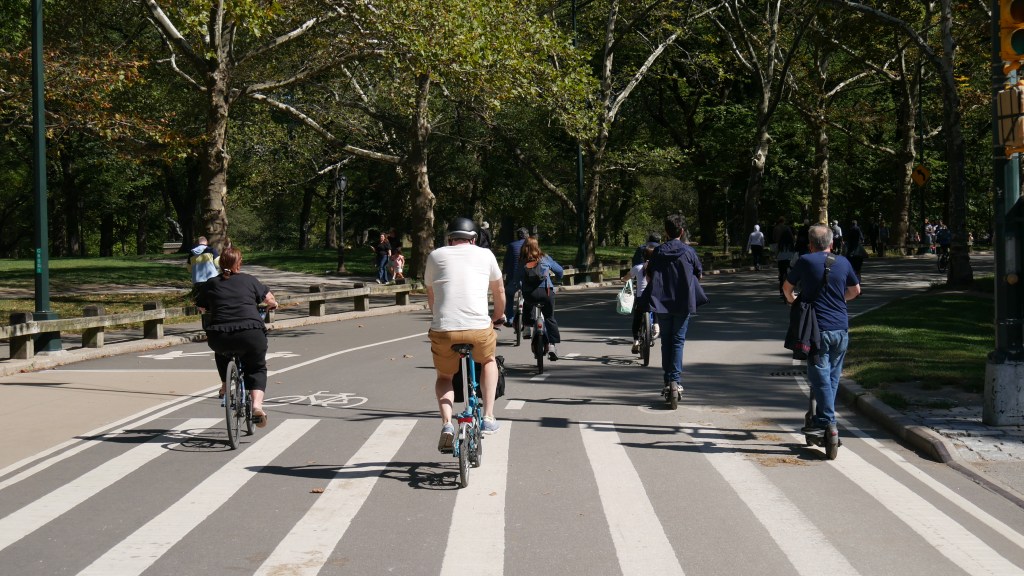
The Adams administration improperly used its state-granted power to reduce speed limits for drivers by dropping the speed limit for cyclists on the Central Park Drive to 15 miles per hour, the city’s oldest cycling club argued in lawsuit filed late on Tuesday.
The city Department of Transportation has previously said it gained the right to reduce the bike speed limit under the so-called Sammy’s Law, which passed in 2025 to give the city the power to lower the car speed limit to 20 miles per hour [PDF, see page 41].
But Peter Beadle, the lawyer for the New York Cycle Club, said that Adams had misapplied the law.
“It’s unfortunate and absurd that this challenge is having to be brought by cycling groups because Mayor Adams chose to pervert the meaning of Sammy’s Law and circumvent the city’s own rule process,” Beadle told Streetsblog.
Sammy’s Law does not authorize the 15-mile-per-hour park speed limit, the club argues in court papers, because the law states that a 15-mph limit can only be applied to “motor vehicles” and only when done in conjunction with traffic-calming measures that reduce the “the negative effects of motor vehicle use, alter driver behavior and improve conditions for non-motorized street users such as … bicyclists.”
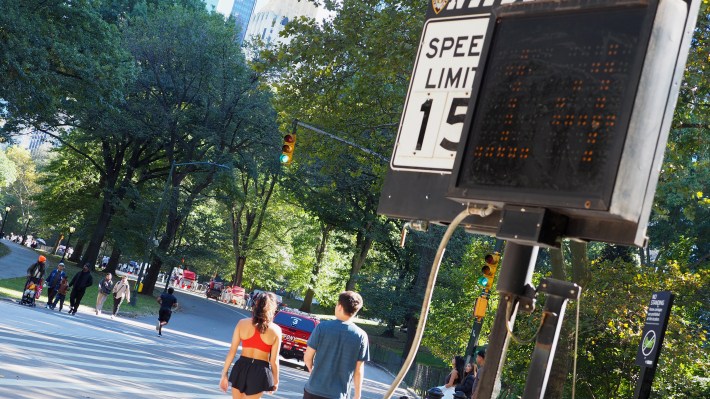
Beadle said his lawsuit is not a challenge to Sammy’s Law, but misuse of it.
“It’s not that I am saying the city doesn’t have the right, but it has to follow the proper procedure; they need to do it via a rule change or legislation,” said Beadle. “This is a challenge to Mayor Adams’s perversion of the system.”
Beyond legal process, the New York Cycle Club considers the speed limit an existential threat to high-level training in the park since riders operate above 15 miles per hour in order to prepare for sanctioned races — just as Olympian Kristen Faulkner did before her gold medal performance at the Paris games in 2024. Central Park is the only such infrastructure in Manhattan appropriate for training, said one official with the club, which hosts its training rides only when the park is cleared of most pedestrian traffic.
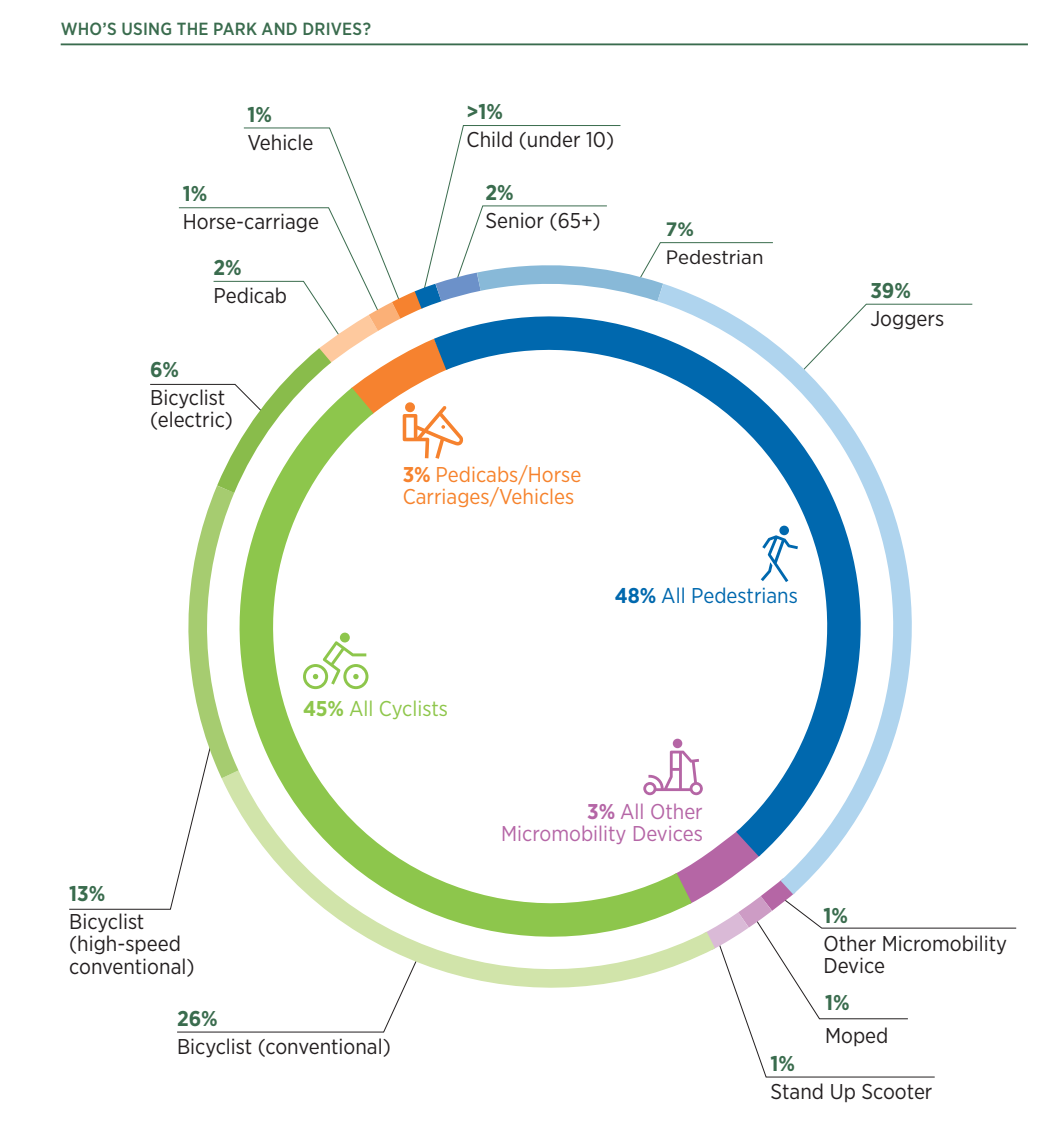
“I was actually shocked to learn that half the visitors that come to Central Park come by bike, yet they’re allocated only 10 percent of the available paths. And even that they have to share with pedestrians,” said New York Cycle Club spokesman Neile Weissman, who is also known for championing more bike infrastructure on the George Washington Bridge.
The bike speed limit was one of the last in a string of anti-cycling policies put in place through executive action in the final year of Mayor Adams’s term. Earlier that year, mayor directed the NYPD to give cyclists criminal summonses instead of traffic tickets; implemented a blanket 15-mile-per-hour e-bike speed limit; and vetoed delivery worker protection bills.
It is unclear whether the DOT has officially implemented the Central Park restriction yet. The DOT started the 60-day review period for local community boards on Dec. 15 — a period that ended on Saturday. But the agency, now run by Mayor Mamdani, has not said if the speed limit has been instituted.
During his successful run for mayor, Mamdani championed cycling — and Weissman argues that the conflicts within the park would be best solved not with a speed limit or with enforcement that the speed limit will now require, but by having the mayor live up to his campaign promises and build more space for cyclists.
“The Central Park Conservancy is showing a lack of vision in not pushing forward with bikeways along the transverses and the adjacent avenues,” he said. “They should be pounding the table for DOT to get this done. This lack of imagination is the reason why everyone is so frustrated — the city is literally not thinking outside the park.”
The New York Cycle Club has been leading group rides in the five boroughs since the 1930s and is the oldest recreational cycling club in the city.
The DOT, after initial publication, defended the speed limit, saying it “promotes safety.”
“The new speed limit in Central Park—which applies equally to bikes and essential vehicles—aligns with the speed limit for e-scooters and e-bikes on city streets. This new speed limit reduces confusion, promotes safety, and helps ensure the park remains a comfortable place for everyone—from families and runners to daily cyclists. We are confident in this policy and look forward to defending it in court,” said agency spokesperson Vin Barone.

Read More:
Streetsblog has migrated to a new comment system. New commenters can register directly in the comments section of any article. Returning commenters: your previous comments and display name have been preserved, but you'll need to reclaim your account by clicking "Forgot your password?" on the sign-in form, entering your email, and following the verification link to set a new password — this is required because passwords could not be carried over during the migration. For questions, contact tips@streetsblog.org.