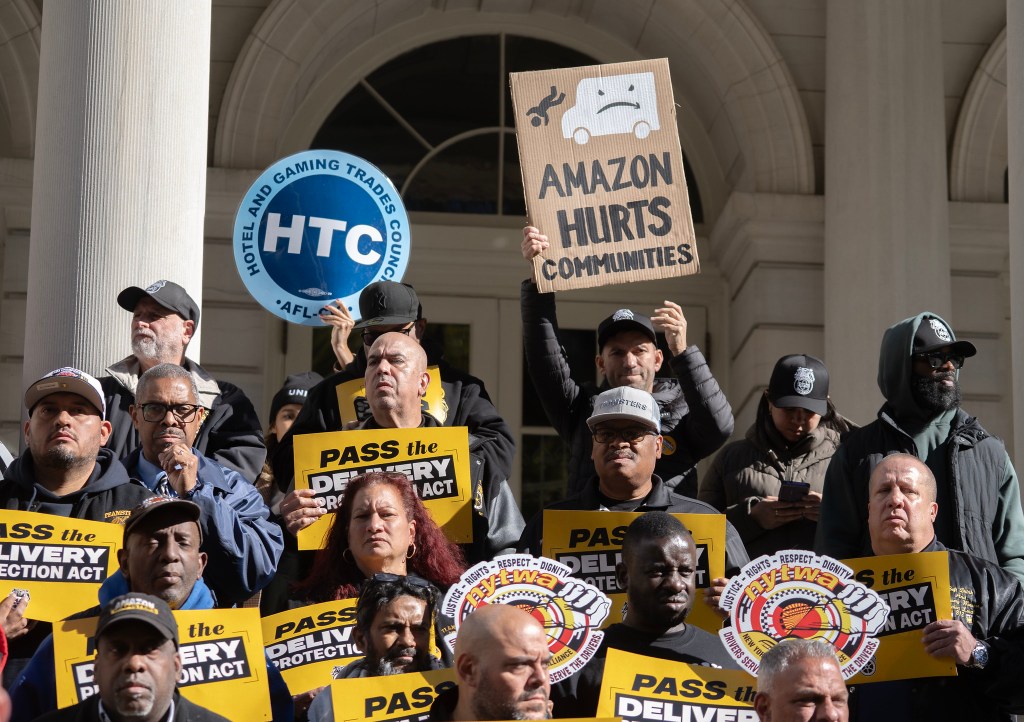
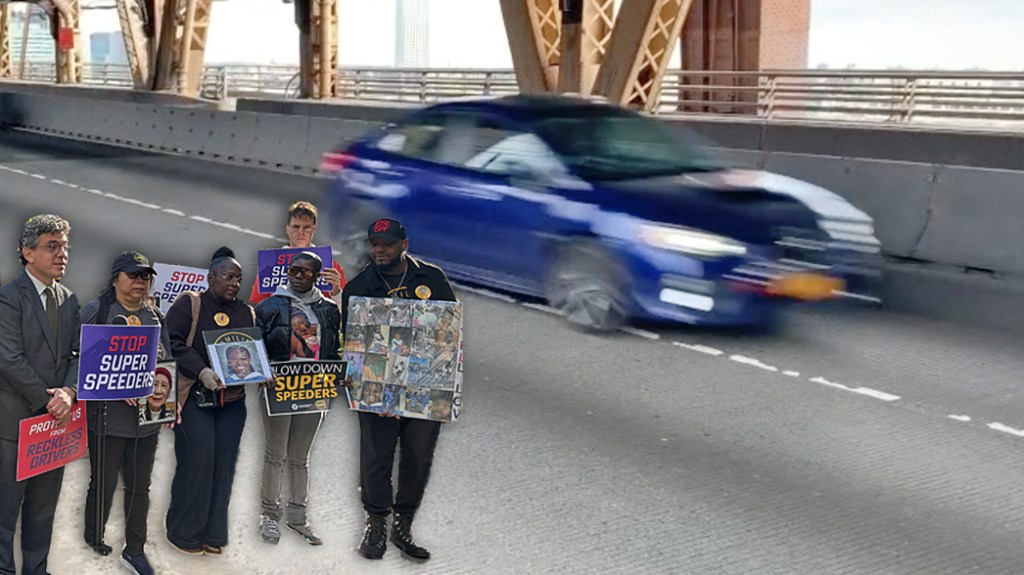
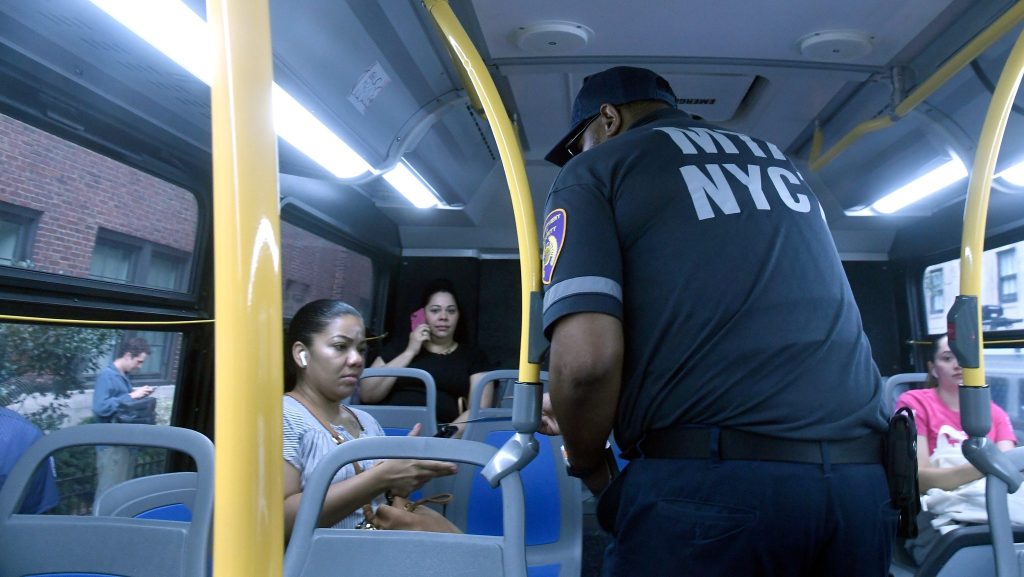
Relay — The Delivery App You Didn’t Know You Were Using — Pulls Out As NYC Ramps Up Worker Protections
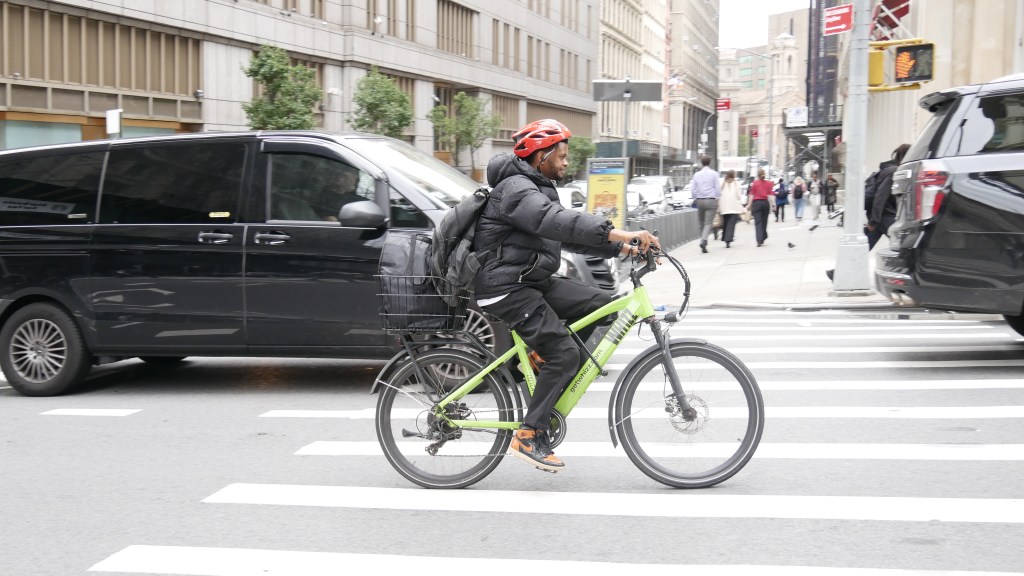
Relay, one of city’s major delivery companies, is shutting down its operations in New York City as the Mamdani administration ramps up worker protection measures — and now thousands of delivery workers will lose their jobs.
The company, a business-to-business delivery app as opposed to a phone app that hungry customers use, sent an email to all its workers on Tuesday that their jobs would be terminated as of April 1. The company recommended that its workers “begin transitioning to another third-party delivery app,” adding uncharitably, “some platforms may have waitlists.”
Relay’s parent company, Wonder, also owns GrubHub and Seamless, but Relay’s email doesn’t offer workers the opportunity to be switched onto the sister apps.
The Mamdani administration will investigate Wonder “for violations workers experienced at Relay,” said Sam Levine, the commissioner of the Department of Consumer and Worker Protection.
“The truth about unchecked corporate consolidation is that it leaves workers out to dry,” Levine added. “Wonder, which also owns GrubHub and Seamless, indicated back in 2024 that it was purchasing Relay for its technology infrastructure, and unfortunately this may have been its plan all along. … We encourage delivery workers to visit nyc.gov/deliveryapps or call 311 and say ‘delivery worker’ to learn more about their rights under the Delivery Worker Laws.”
Relay was launched by Alex Blum and Mike Chevett in 2014 — long before UberEats and DoorDash dominated the industry. Independent restaurants contracted with Relay to facilitate deliveries, which saved local restaurants money that would otherwise be spent on a delivery worker’s salary.
But in 2021, the City Council passed its delivery worker minimum wage, though Relay was exempted because it already offered workers a base pay and its business model was different from the other apps.
But in April 2024, Wonder announced it would buy Relay. Last June, delivery workers protested outside of Wonder’s headquarters alleging that the company was unfairly deactivating workers without cause.
Later that month, the Department of Consumer and Worker Protection announced a settlement with Relay. The settlement of $200,000 for workers who experienced violations of their right to set maximum trip distances and $20,000 in civil penalties. In addition, Relay agreed to start complying with the delivery worker minimum wage.
But the company suggested that its New York City shutdown is related to the city’s worker protections.
“Relay is no longer able to run a sustainable business in our key market of New York City,” the company said in its email to workers. “As a result, Relay must end delivery operations in NYC.”
One labor law expert sees the termination of Relay as an example of the problems with market consolidation.
“The city’s delivery economy is thriving, proving that it’s possible to sustain a profitable food delivery business while paying workers the minimum wage,” said Dan Ocampo, an attorney with the National Employment Law Project. “Instead, it’s delivery workers paying the price for market consolidation—first through illegal deactivations last year, now through mass termination—as new parent company Wonder tightens its grip.”
Relay confirmed the shutdown in an email to Streetsblog, adding that it is “grateful to the many riders who delivered with us over the past decade.”
One Relay worker called the demise of Relay as “another sign of late-stage capitalism.”
“Make as much money abusing labor for the sake of ‘disrupting’ until there’s oversight stopping you then move on to the next unregulated loophole to screw over working class people,” said the worker Kae Cook.
Relay differs from its delivery app peers in its business to business model. Customers don’t download a Relay app and place orders. Instead, restaurants and other app companies use Relay to facilitate deliveries.
The minimum pay standard is just one of a handful of bills passed under the previous mayor and City Council that the Mamdani administration has been clear are a top priority for enforcement.
As of last month, grocery delivery app companies like Instacart must pay their workers the city’s minimum pay standard of $21.44 per hour, and all app companies must give customers the option to tip at checkout and give workers access to discounted e-bike subscription memberships or trade-in programs. More working protections passed by the City Council last year go into effect in early 2027, prohibiting the apps from firing workers without cause.
The app industry, which puts over 80,000 private contractors on bikes, e-bikes, and mopeds onto city streets, relies on public space to rake in profits.
Editor’s note: The story was altered a bit after Relay responded to our request for comment by challenging the suggestion that the company was closing down as a direct result of the city’s ramped up enforcement of worker protection rules. The company’s statement only says it can no longer “run a sustainable business” in New York City, where its labor practices are in fact under investigation. Readers can draw their own conclusions.

Streetsblog has migrated to a new comment system. New commenters can register directly in the comments section of any article. Returning commenters: your previous comments and display name have been preserved, but you'll need to reclaim your account by clicking "Forgot your password?" on the sign-in form, entering your email, and following the verification link to set a new password — this is required because passwords could not be carried over during the migration. For questions, contact tips@streetsblog.org.