Delivery Apps Have Caused $550M In Pay Loss for Workers By Changing How Customers Tip: Mamdani Admin. Report
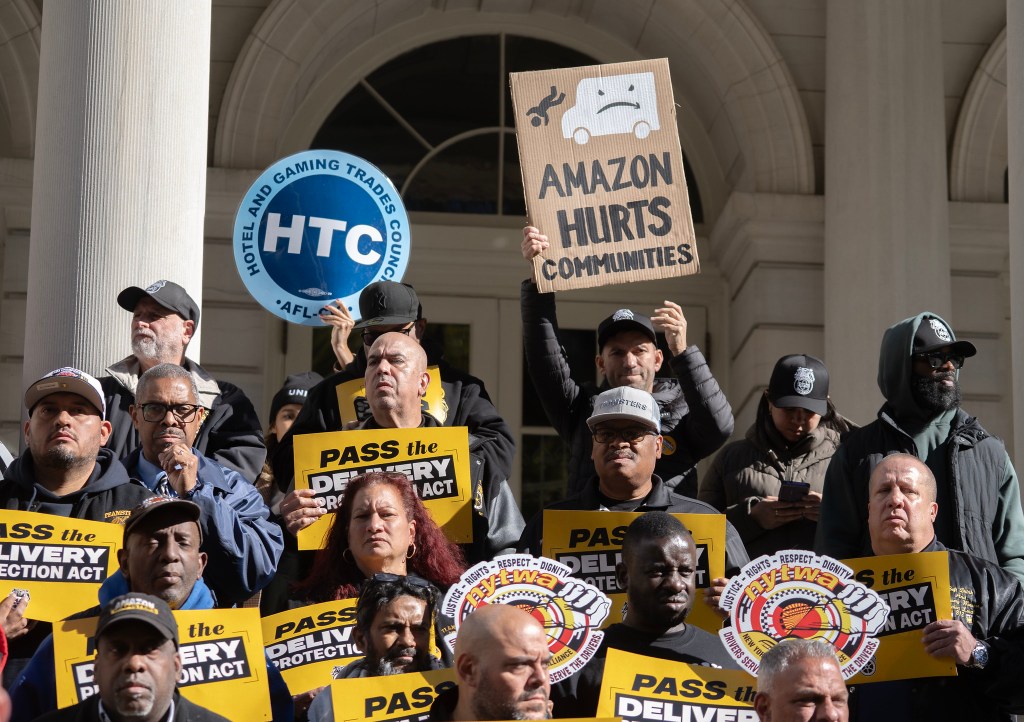
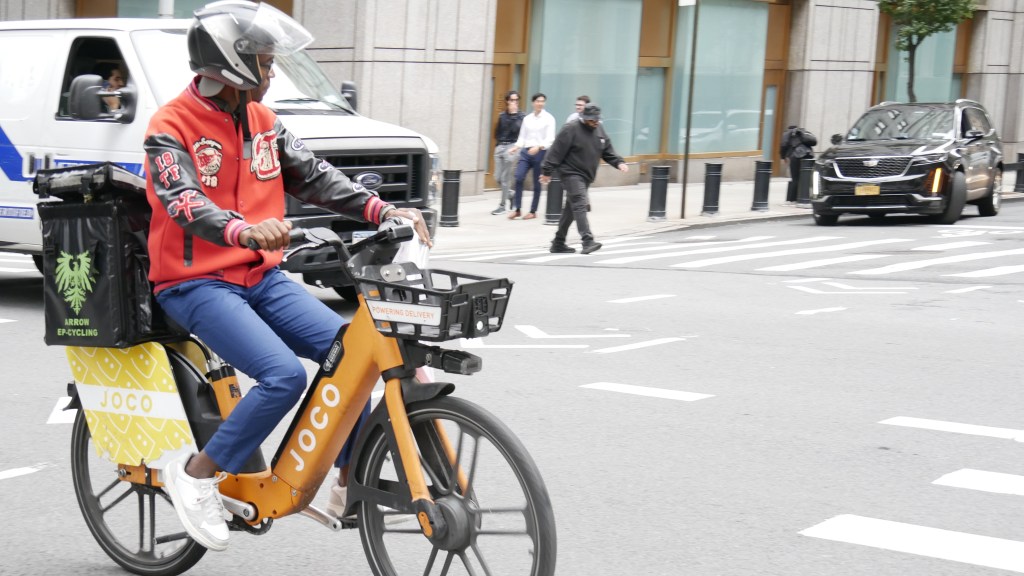
Delivery workers have lost as much as $550 million in tips since Uber and DoorDash changed their apps so that the tip option appears only after customers place their orders, the city’s Department of Consumer and Worker Protection charged in a new report.
The findings come as the companies sue the city over a law set to go into effect on Jan. 26 that requires them to offer the option to tip at or before checkout.
New York City’s landmark minimum pay law, which guarantees delivery workers $21.44 per hour, went into effect in December 2023. The day the law went into effect, Uber and DoorDash introduced new after-checkout tipping policies in order to hide the higher costs wrought by the new minimum pay standards.
The average tip for a worker making deliveries for UberEats and DoorDash decreased from $3.66 per delivery to 93 cents per delivery in just one week after the companies moved the tipping option, DCWP found. The average UberEats or DoorDash tip has since dropped to just 76 cents per delivery.
But for the apps that kept the tipping option before checkout, like Grubhub, workers earn an average tip of $2.17 per order, according to DCWP’s analysis.
“Our report blows the whistle on a massive scheme by Uber and DoorDash to drive down worker pay by more than $550 million. That era has come to an end,” DCWP Commissioner Sam Levine said in a statement. “If these companies do not follow new tipping laws going into effect later this month, they will face significant consequences.”
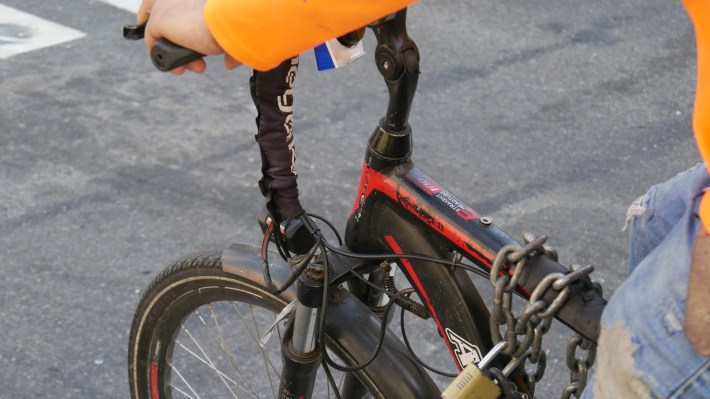
Uber and DoorDash filed their lawsuit in mid-December, alleging that the new law requiring tipping options before checkout violates their free speech and arguing that it would damage their businesses. The suit cited “tipping fatigue” and DoorDash went as far as to accuse the City Council of worsening an “affordability crisis.”
“In the midst of an affordability crisis, the New York City Council has turned tipping into essentially an added tax by forcing platforms like DoorDash to pressure consumers to tip at checkout,” DoorDash said at the time.
But both DoorDash and Uber have continued to rake in large profits from food delivery since the minimum pay went into effect, defying their claims to the contrary.
Monthly reports from DoorDash and UberEats show that after the minimum pay law began in Dec. 2023 through June 2025, they earned a combined revenue of $948 million more than what they paid in wages to workers, court filings show.

On Jan. 5, DCWP filed a memorandum in opposition to the app giants’ request to stop the law from going into effect as the lawsuit works its way through the courts. Federal Judge George Daniels in the Southern District of New York has yet to rule on the companies’ requested injunction; the next hearing is on Jan. 14.
Council Member Shaun Abreu (D-Manhattan), the tipping law’s lead sponsor, blasted the companies’ post-checkout tipping practices as harmful to workers.
“If someone wants to tip them, they shouldn’t have a hard time doing it. No one is ever forced to tip, and making it more difficult to do so is plain wrong,” Abreu said in a statement. “When corporations claim that delivery workers are overpaid and app profits are too low, we know they are lying. True affordability comes from treating consumers and workers fairly, not manipulating how people tip.”
Uber did not respond to requests for comment. DoorDash issued Streetsblog a similar comment as it did last year, changing the opening from “In the midst of an affordability crisis,” to “In the midst of an affordability crisis and growing frustration over tipping culture … the Council plans to force platforms like DoorDash to pressure customers to tip at checkout even though customers can already tip after delivery for a job well done.”
The company claims that its workers are “averaging closer to $30 an hour before tips,” though it did not provide evidence. The company claims its lawsuit “is about fighting rising costs and ensuring delivery remains fast and affordable for all New Yorkers.”

Streetsblog has migrated to a new comment system. New commenters can register directly in the comments section of any article. Returning commenters: your previous comments and display name have been preserved, but you'll need to reclaim your account by clicking "Forgot your password?" on the sign-in form, entering your email, and following the verification link to set a new password — this is required because passwords could not be carried over during the migration. For questions, contact tips@streetsblog.org.