Mamdani Warns Delivery Apps to Follow New Worker Protection Laws — Or Else
Zohran is delivering the goods.
Mayor Mamdani’s administration on Thursday warned more than 60 delivery app companies to abide by several new worker regulations that take effect in late January.
“Amendments to the Delivery Worker Laws go into effect on Jan. 26, 2026,” Department of Consumer and Worker Protection Commissioner Sam Levine wrote in the letters to companies including DoorDash and Wonder. “We expect your company to be in full compliance on that date. … We will be closely monitoring for violations of law and will take follow-up action as warranted.”
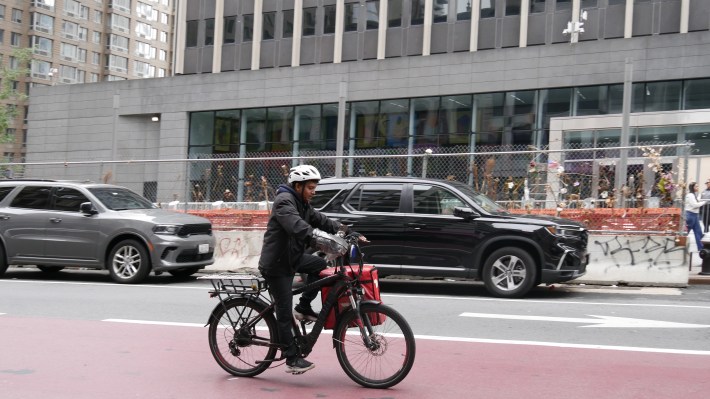
The letters detail new protections that the City Council passed last year. On Jan. 26, grocery apps like Instacart must comply with the same minimum pay standard that applies to restaurant delivery apps. The new regs also give workers the ability to set maximum distances between restaurants and customers. Legislators designed the provision to take pressure off of workers to travel far distances for fear of losing work if they don’t accept every order.
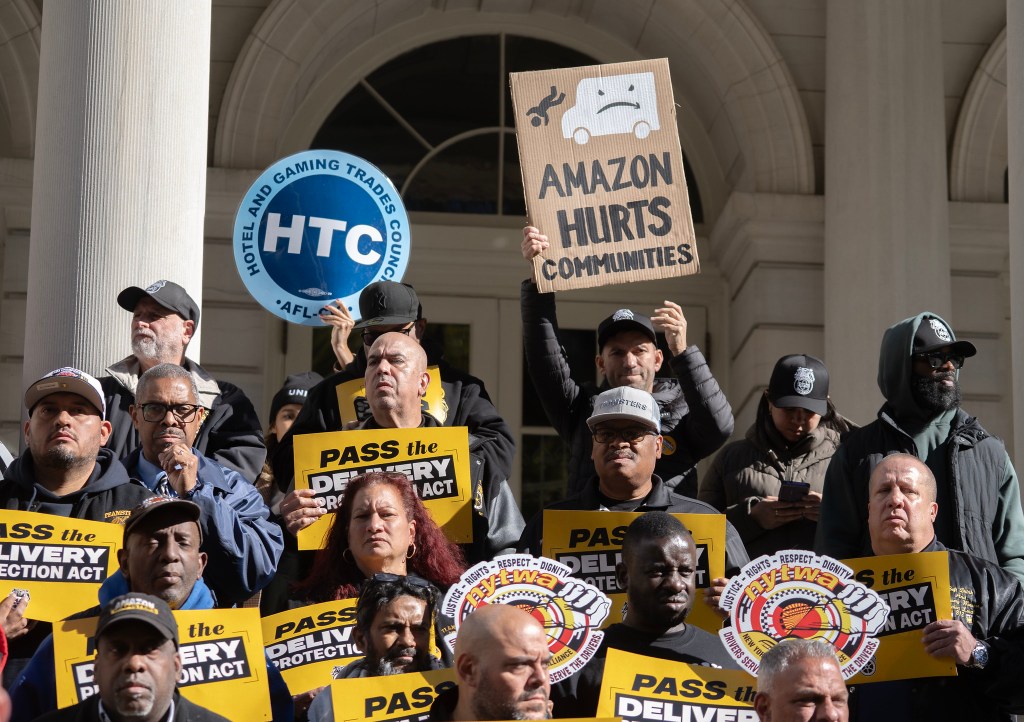
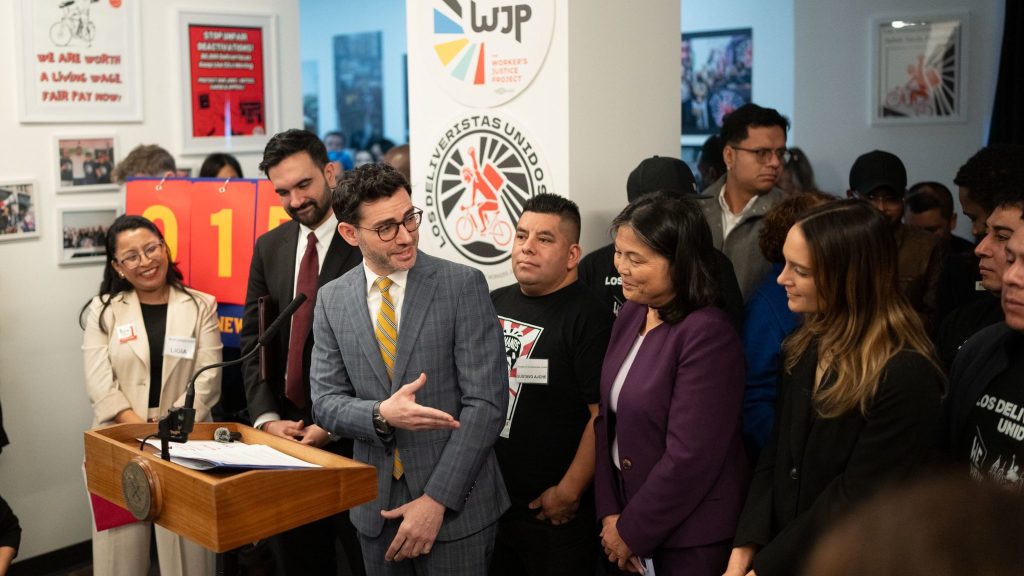
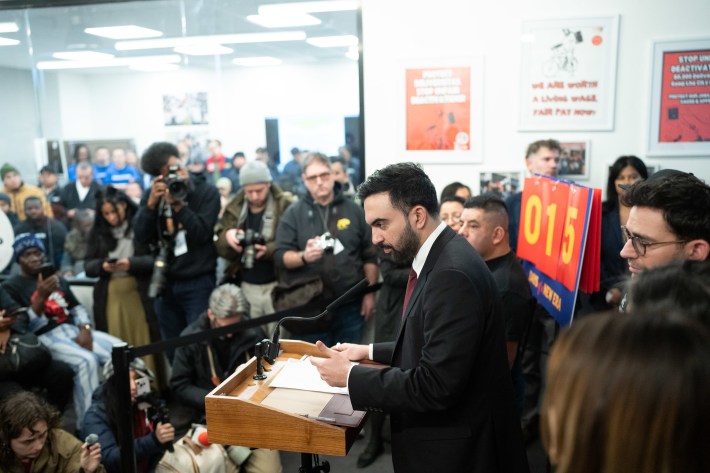
Mayor Mamdani pledged to energetically apply the new laws at a press conference on Thursday at the Worker’s Justice Project headquarters in Williamsburg — the home of Los Deliveristas Unidos, which organizes delivery workers to advocate for expanded labor protections.
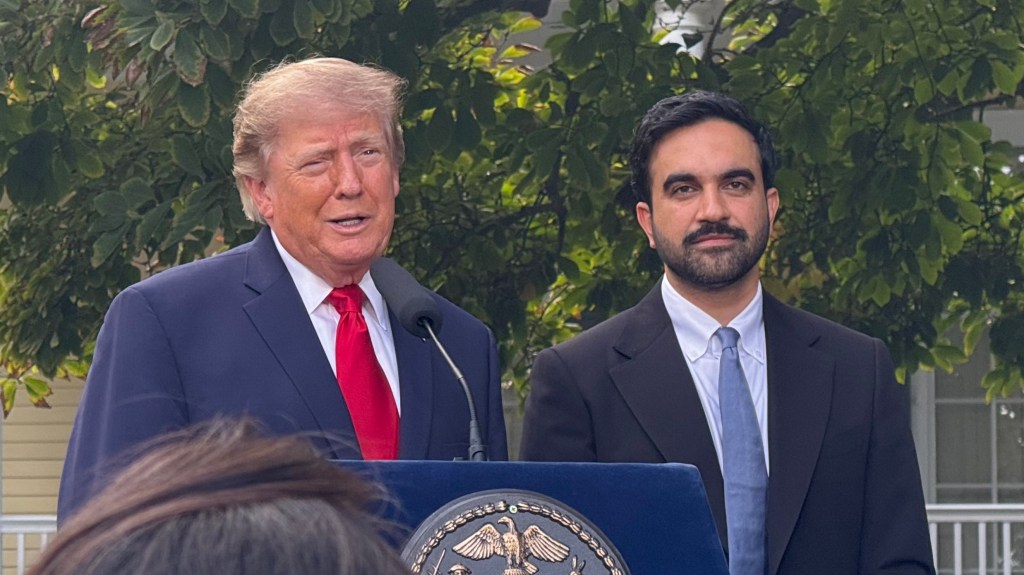
“No longer will we tolerate corporate mistreatment of workers across these five boroughs, which is why we have sent warning letters to 60 app companies warning them that new laws protecting workers will take effect on Jan. 26 of this year, and that those laws will be enforced,” the mayor said to packed room of reporters and delivery workers.
Levine, an alum of the Biden administration’s Federal Trade Commission, said the companies need to understand that the city takes these laws seriously.
“I want these companies to start following the law,” Levine told Streetsblog. “My hope is that they realize they are in a new era and start coming into compliance, and that’s why we sent those letters.”
The new protections also require companies to provide customers with the option of tipping at checkout, not after a delivery is completed. The city can fine, sue and revoke the licenses of companies that don’t obey. Uber and DoorDash recently sued the city over the tipping regulation.
Beyond the laws governing wage minimums and tips, the companies must also provide more transparency about their workers’ compensation. This includes itemized pay stubs that explain how their pay is calculated.
Furthermore, regulated companies must provide workers with e-bikes that meet the city’s fire safety standards or offer some workers access to a subscription service or an e-bike trade-in program. The burden of compliance with e-bike safety laws previously fell on individual workers.
Wonder Inc. — which now owns GrubHub, Seamless and Relay — said the company received Mamdani’s letter and would work with the administration.
“Delivery drivers provide an essential service to millions of New Yorkers, and we look forward to partnering with the Mayor’s office on smart policy that makes delivery work better for everyone,” a spokesperson told Streetsblog.
But DoorDash took a more hostile tone. “Despite what DCWP Commissioner Levine thinks, our goal remains the same: to empower local economies and connect New Yorkers with the restaurants and businesses they love,” a spokesperson said. “[DoorDash workers] continue to earn fairly on our platform and customers continue to have the ability to tip post-checkout.”
The new rules will be expensive to enforce. After the bill package passed last year, DCWP said it needed to hire 20 more employees to ensure companies comply with the new minimum wage. The Adams administration allocated funding for just four new employees, and then allocated even less money during final budget negotiations with the council.
During his mayoral campaign, Mamdani promised to double the agency’s budget. On Thursday, he said his administration would provide hard numbers when it puts out its preliminary budget proposal later this month. “We have to give our DCWP the ingredients necessary to deliver on this kind of a mandate,” he told Streetsblog.
Council Speaker Julie Menin said she is aware of DCWP’s funding gap, but wouldn’t commit to doubling the budget.
“They do need additional staff, and we look forward to addressing that in the budget,” she said. “I know my Finance Chair and my Deputy Speaker are going to have a lot to say on that.”
A new era
Mamdani filled his first days as mayor with actions for worker protection. First, he hired former U.S. Labor Secretary Julie Su for the newly created position of Deputy Mayor for Economic Justice, which oversees the Taxi and Limousine Commission that regulates Uber and Lyft.
Su told reporters on Thursday that the city is unafraid to “shut down” companies that break the law.
“If you don’t play by New York City’s rules, you don’t get to play in New York City,” she said.
Second, this Tuesday, the Mamdani administration released a report accusing DoorDash and Uber of effectively diverting half a billion dollars in potential tips. Since Uber and DoorDash moved the tipping option to after checkout, the average tip fell from more than $3 to less than a dollar. But the companies that kept tipping the same, like GrubHub, didn’t see the same fall in tips.
Third, the city’s law department sued Motoclick, a new delivery app that allegedly evaded the minimum pay law. “DCWP estimates that Motoclick and CEO Juan Pablo Salinas Salek owe workers millions in stolen pay and damages and seeks to shut the company down completely,” the department said in a statement.
In a recent lawsuit against the city, DoorDash and UberEats said the new tipping law violates their free speech and that it would make the service more expensive for customers. But former DCWP Commissioner Lorelei Salas doesn’t buy that argument.
“Their claim that they oppose the new tipping law because it makes it less affordable to consumers is bogus,” Salas, who served under Mayor Bill de Blasio, said in a statement earlier this week. “Their only goal is to maximize profits and DCWP’s report makes it clear that they are doing so on the backs of their workers.”
Experts praised Mamdani for focusing his energy on enforcing the new regulations.
“It’s really smart to see the mayor coming out of the gate with a set of actions that show that he’s going to really use the city’s resources to back up his values,” said Julie Margetta Morgan, the president of the Century Foundation, a non-partisan think tank focused on affordability.
“[Delivery apps] take advantage of every person involved in these transactions, whether it’s the restaurant owners, the delivery drivers, or the diners themselves,” Morgan continued. “We’ve seen them raise costs on every single party in that transaction. The city has a lot of authority here, and it’s good to see that they’ve put people who are creative and aggressive about using that authority in charge.”
Workers demand change
Ligia Guallpa, the executive director of the Worker’s Justice Project, pushed Mamdani to go even further because former Mayor Eric Adams began as an ally, but ultimately let down workers.
“We have a mayor who’s given, finally, faith to workers who lost it in the last five years and has given hope that a better future is possible for them and their families,” she said.
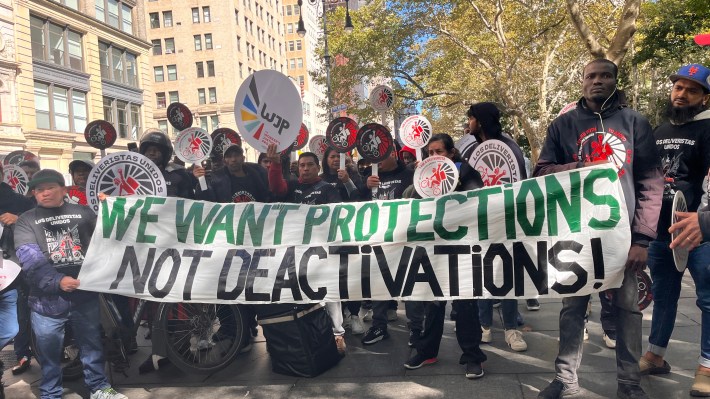
Last year, Los Deliveristas Unidos lobbied the City Council to pass a bill, Intro 1332, that would have protected workers from app lockouts and deactivations. Lockouts temporarily bar a worker from taking orders on an app, while deactivations kick them off permanently without a clear proccess for appeal. The bill passed, but the Council left those lockout protections on the table.
“We need to close every loophole that the apps fought for and won in the previous administration, the corrupt one,” said Guallpa. Mamdani thanked her for presenting the future goals. “Closed mouths don’t get fed,” he said. “It’s important to make the demands.”
— With Dave Colon

Streetsblog has migrated to a new comment system. New commenters can register directly in the comments section of any article. Returning commenters: your previous comments and display name have been preserved, but you'll need to reclaim your account by clicking "Forgot your password?" on the sign-in form, entering your email, and following the verification link to set a new password — this is required because passwords could not be carried over during the migration. For questions, contact tips@streetsblog.org.