Unlicensed Drivers Comprise One-Quarter Of Street Fatalities: Data

Unlicensed drivers killed nearly 300 pedestrians, cyclists and motorists on city streets between 2021-2024 — and their percentage share of the carnage soared in the aftermath of the coronavirus pandemic, new city data analyzed by Streetsblog shows.
The city Department of Transportation tied drivers without licenses to 284 of the 1,059 deaths on the Big Apple’s streets in that period — 27 percent of all traffic fatalities over the four-year period.
The increases in traffic fatalities caused by unlicensed drivers caused a sizable portion of the increase in deaths overall post-pandemic.
In 2019, drivers without licenses or driving with a suspended license accounted for 35 of the 221 traffic fatalities that year, or 16 percent. By 2021, unlicensed operators killed 80 people, or 29 percent of that year’s fatalities. The percentage of people killed by unlicensed drivers has started to decline, but it is still significantly higher than it was before the pandemic, as the chart below reveals:
The city DOT chalks up the soaring numbers to a compounding set of pandemic-era trends, starting with partial shutdowns of courthouses and many Department of Motor Vehicle services that leave a lingering hangover even today.
Most important, the pandemic dramatically altered driving behavior: complaints about drag racing and other dangerous driving soared while at the same time, the streets were flooded with vehicles with fake “ghost” plates, two more trends that are slowly abating, but are ongoing.
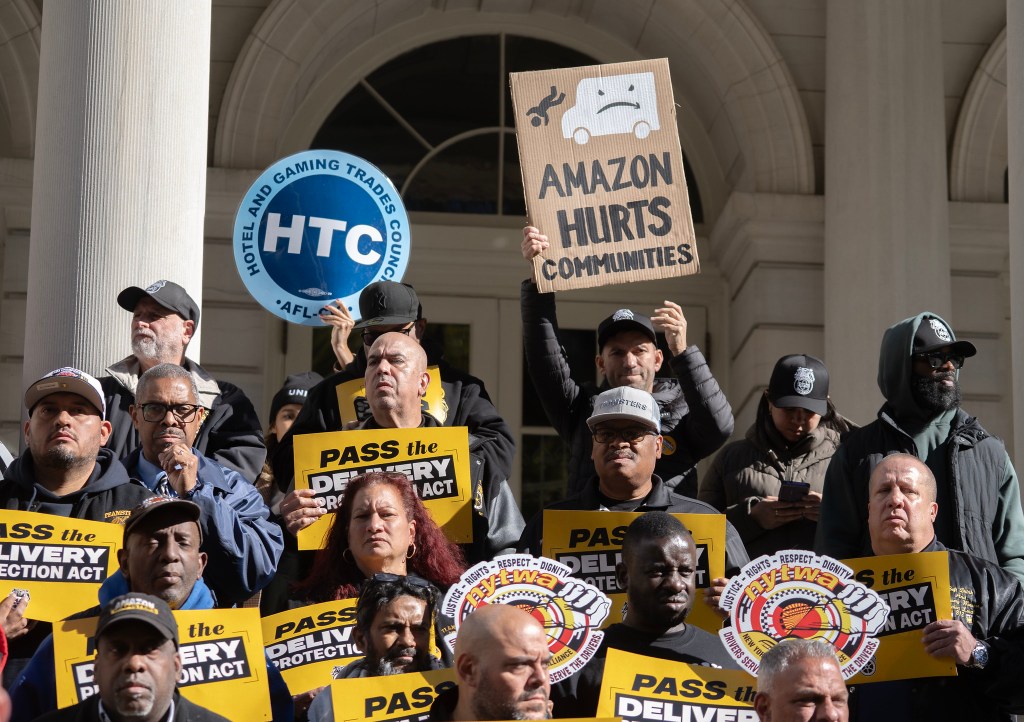
And no reminder of the pandemic can ignore the explosion in the number of mopeds — some capable of reaching car speeds — stemming from the soaring demand for grocery and food delivery services provided by shadowy app companies that are accountable to no one because they shift the burden of responsibility and safety to their independent gig workers.
And the rise in pandemic-era road deaths must also be considered in the context of a dramatic decline in traffic enforcement by the NYPD, which was part of a broader national trend.
The trend line is getting better on many of these data points, said DOT spokesman Vin Barone, but more work needs to be done.
“We know a small number of incredibly reckless drivers continue to endanger New Yorkers,” said, adding that the agency is looking “at bold, new ideas and smart, targeted polices to deliver safer streets and address these few, extremely dangerous drivers.”
The agency also previously said it supports a bill by state Sen. Andrew Gounardes that would require drivers to install speed-limiting devices on cars that are frequently caught on camera breaking the speed limit. The bill died last year in the state legislature as many lawmakers felt that 16 speed-camera tickets in a 12-month period was not enough evidence that society needed to be kept safe from such a driver.
Gounardes told Streetsblog that he is disturbed by the rise in fatalities caused by unlicensed drivers or drivers with suspended licenses.
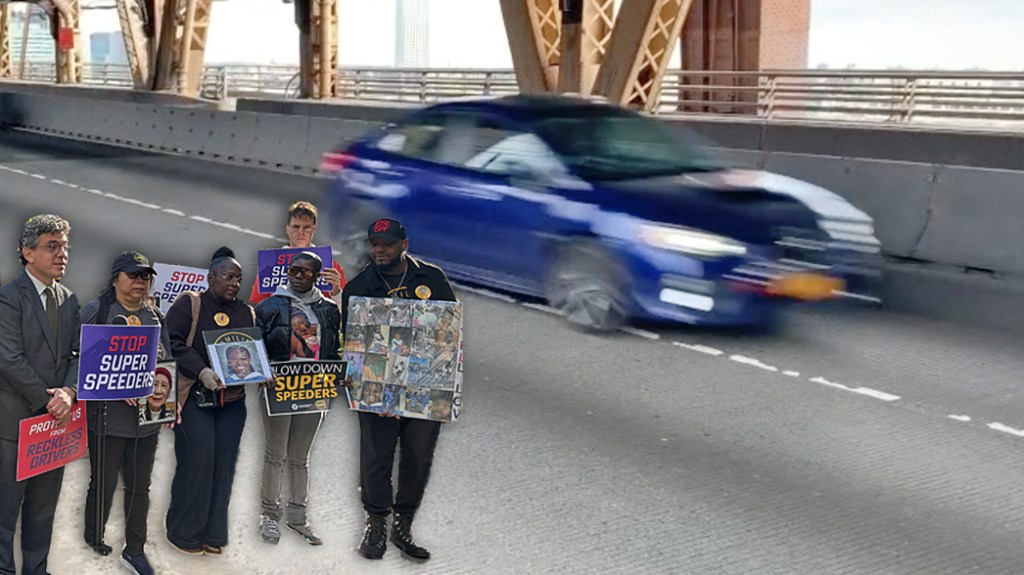
“It also underscores something we’ve known for a while, which is that license suspensions alone aren’t enough to keep our streets safe,” said Gounardes, a Bay Ridge Democrat. “That’s one of the reasons I’m pushing so hard to pass my Stop Super Speeders bill — we have to physically force their vehicles to slow down.”
Support for the bill grew in 2025 after Miriam Yarimi, a wigmaker and influencer with a long history of reckless driving killed a mom and two of her kids on Brooklyn’s Ocean Parkway. Yarimi was driving on a suspended license after racking up more than $12,000 in fines, including for blowing through red lights and past speed cameras. Yet law enforcement never got her car off the road.
But the bill still requires the involvement of law enforcement, which struggles to deal with the challenge of drivers so malicious that they would make themselves untraceable. That’s why Gounardes and safety advocates want DOT to double-down on street redesigns, including measures like raised crosswalks that force cars to slow down. Reams of evidence shows that lower speeds save lives.
“On our streets, we can build the infrastructure like turn calming, raised crosswalks, and daylighting to slow down all drivers traveling too quickly,” said Ben Furnas, the chief of Transportation Alternatives. “No one should be killed just trying to get home, either by a licensed or unlicensed driver, and these upgrades will ensure our streets and intersections are safe for everyone.”

Streetsblog has migrated to a new comment system. New commenters can register directly in the comments section of any article. Returning commenters: your previous comments and display name have been preserved, but you'll need to reclaim your account by clicking "Forgot your password?" on the sign-in form, entering your email, and following the verification link to set a new password — this is required because passwords could not be carried over during the migration. For questions, contact tips@streetsblog.org.