Experts Offer Mamdani New Advice About Homelessness, Following Deep Streetsblog investigation

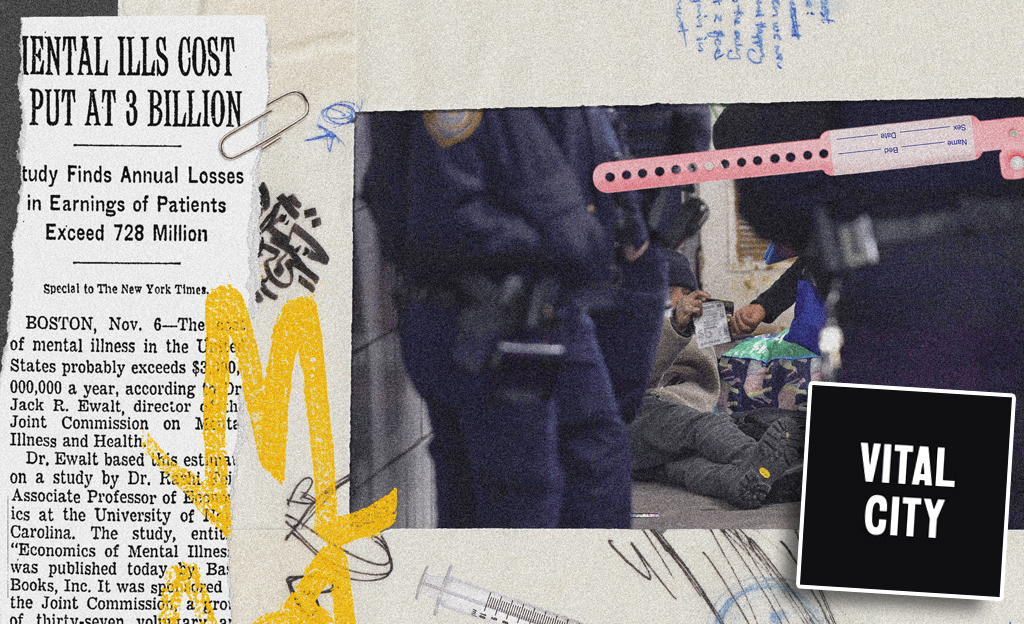

Mayor Mamdani should tackle the subway and street homelessness crises head-on by putting a single official in charge of the effort, which has been plagued for decades by in-fighting and lack of coordination between city agencies, a new report has determined.
The findings from Vital City echo those of Streetsblog’s months-long investigation into the subject, which revealed the Big Apple’s response to episodes of psychosis is so slow and badly fractured that New Yorkers at risk of injuring themselves or others are sometimes left on subway platforms.
All told, more than a half-dozen city authorities — including the Police and Fire department, the public hospital system, plus departments overseeing health, housing and homelessness — are involved in almost every single case. Sometimes, it’s responding to a report of an emergency mental health episode, other times or in the efforts to encourage these sick New Yorkers to seek and stay in treatment, housing or shelter.
Collectively, the City Hall pumps more than $30 billion annually into the city’s public safety and social welfare safety nets.
“The result is an elaborate and poorly coordinated ecosystem that costs taxpayers billions each year,” wrote the editors of Vital City, a public policy magazine. “For every attempt to engage, for every handoff from one nonprofit or government agency to another, there is a potential cliff — where people in need fail to get the help they need, further aggravating the likelihood of crisis.”
Like Streetsblog’s investigation, the Vital City analysis found that these mammoth agencies and their billions in funding struggle to reach the hardest cases — the homeless who live in the streets or in the subway system, a population estimated at 4,000.
Officials estimate they are split roughly evenly between the subway and the streets; and that roughly half suffer from addiction or mental illness.
These figures are best guesses. Like Streetsblog’s investigation, Vital City’s said that the municipal response has been hampered by failures to collect even the most basic data about how these needy New Yorkers move through the system, making it possible to determine which programs work — and which are ineffective uses of money.
Streetsblog’s investigation focused on the broken system that fails to get desperately ill New Yorkers to hospital beds and then often cycles them back onto the street. Once back on the streets, they often end up in the subway system, where help can be hard to find.
The Vital City analysis zeroed in the breakdowns and gaps in the city’s longer-term care and housing programs, where they found problems that echo the gaps identified with the city’s emergency response.
The good government group issued four white papers on this topic that span 63 pages, including large graphics that illustrate how complicated it is to get and stay in treatment in housing. One illustration charted 22 possible separate outcomes to any case — 15 of which involve ways to fall out of treatment — and uses so many criss-crosses lines to do it it could chart the World War II battle at Stalingrad.
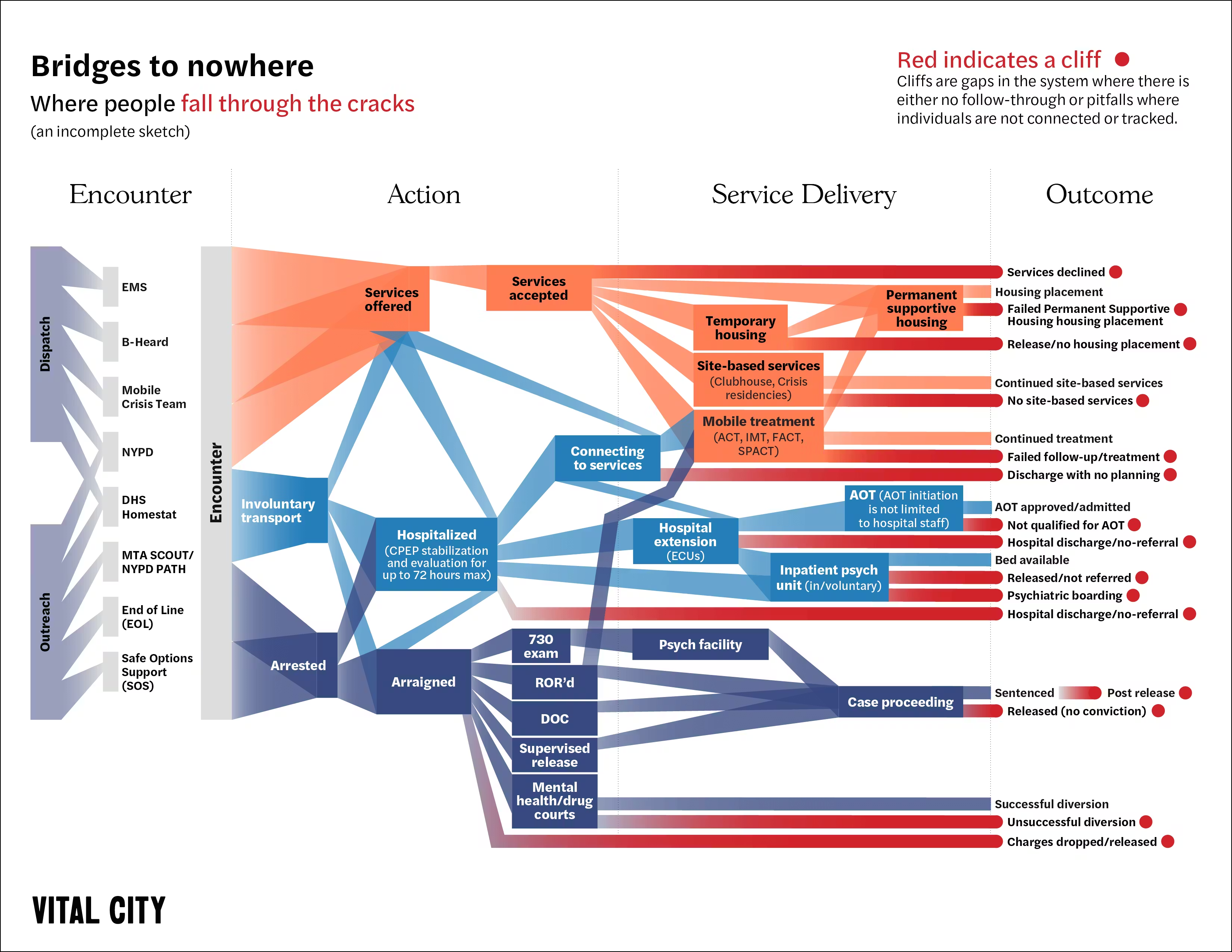
“The orientation of the current system — to deal mainly with point-in-time crises instead of sustained attention to a particular person throughout their life course — means that neither government nor anyone else with responsibility has a panoramic view of how any one individual is doing after the crisis,” the authors wrote.
The recommended reforms were grouped into seven buckets and largely centered around finding ways to better unify the city’s response to get the mentally ill into permanent housing more quickly and to ensure that the needy remain in treatment.
The core of the reform program is an affirmation that public spaces are open and available to all — but that all due effort must be make to make sure they do not become places where there is no intervention and sick and needy New Yorkers are allowed to see their condition further deteriorate.
“The City should consistently enforce rules that keep public spaces usable while ensuring every removal is paired with concrete offers of treatment, shelter and a pathway to permanent housing,” they wrote.
The biggest recommendation to make that happen is unifying command of the social safety net apparatus functions that serve these highest need New Yorkers under a single person, a czar-like figure. It’s a recommendation that was made to Streetsblog by Stanley Brezenoff, who ran the public hospital system for then-Mayor Ed Koch.
The third major recommendation is a new push to get the homeless and mentally ill into permanent housing because it makes it far easier to keep that someone struggling in treatment and therapy.
They recommend a host of policy changes that would allow the neediest and sickest to qualify for housing with on-sight services directly and that would cut through a thicket of existing eligibility rules to help get people placed into funded units that are currently just sitting empty.
“For the unstable, unsheltered homeless population, providing housing without treatment is woefully insufficient, and treatment without housing leaves them vulnerable to a vicious cycle of circumstances that can reverse improvements in their mental health,” they found.
Read More:
Streetsblog has migrated to a new comment system. New commenters can register directly in the comments section of any article. Returning commenters: your previous comments and display name have been preserved, but you'll need to reclaim your account by clicking "Forgot your password?" on the sign-in form, entering your email, and following the verification link to set a new password — this is required because passwords could not be carried over during the migration. For questions, contact tips@streetsblog.org.