Streetsblog provides high-quality journalism and analysis for free — which is something to be celebrated in an era of paywalls. Once a year, we ask for your tax-deductible donations to support our reporters and editors as they advance the movement to end car dependency in our communities.
If you already support our work, thank you! If not, can we ask for your help?This year’s fundraiser includes a special gift for our biggest supporters. Don’t miss out.
Together, we can create a more livable, walkable, bikeable, equitable and enjoyable city for all. Happy holidays from the Streetsblog team!
Congestion pricing is back in the news — or, at least, the bad, misleading news.
The New York Post ran several stories last week using anecdotal complaints and flimsy, contradictory data to blast the toll, which will hit its one-year anniversary next month.
Team Murdoch’s approach has several fronts: Find as many angry drivers as possible, sprinkle in some business owners to complain (without evidence) about toll cutting into their bottom lines or getting passed on to customers, top it all off with some extremely bad data analysis — then use it all to put pressure on Gov. Hochul, who has demonstrated a willingness to make policy decisions based on the paper’s fact-averse campaigns against the toll.
On Thursday, a news story in the paper juxtaposed the 11-percent reduction in traffic in the congestion zone measured by the MTA to the mere 5-percent drop in entries through the Port Authority’s two tunnels. But those tunnels had tolls before congestion pricing went in effect, and drivers who use them get a discount on the congestion fee. Naturally, the drop in traffic will be less on roads where the additional toll is also less.
So The Post’s idea that the MTA is misleading the public about the data is bunk, and someone at the paper’s editorial board must’ve realized it: In an editorial amplifying driver complaints about the toll, the board raised the MTA’s data against numbers from “tech company TomTom” that showed a mere 4-percent drop in traffic “in the first third of the year.”
When comparing two data sets, it’s valuable to delve into the differences in what they measure in order to understand whether it’s fair to compare them.
But the TomTom data cited by The Post is out-of-date at best and dubious at worst: The company did run a blog post in April that discussed data from the first three months of 2025, but the blog made zero mention of a 4-percent drop in traffic. In fact, the company’s sort of vague “congestion level” metric dropped from 24.7 percent to 16.9 percent, while its measurement of the average driving time per 10 kilometers dropped 10 percent. TomTom’s blog post concluded that the new toll was “a win for drivers and the economy.”
Of course, The Post was still able to find plenty of drivers upset about traffic. That’s because traffic still exists — even if the new toll has, by every measure, reduced its overall numbers. Congestion was bound to get worse in the run-up to Christmas. It’s why the city pre-designated 12 days this December as “Gridlock Alert Days.” State law allows Gov. Hochul and the MTA to increase congestion tolls on those designated gridlock days, but the governor in her infinite wisdom vowed last year to never exercise that authority in response to a previous wave of Post stories, as Gothamist dutifully reminded us this week.
The board framed Hochul’s plea to businesses to switch to overnight deliveries as a “let them eat cake” response, but that’s effectively what the paper is telling transit riders: They’d sooner you suffer on delayed, crowded and infrequent trans than have drivers pay their fair share to mass transit.
In one editorial, the paper expressed confidence that the courts will toss out the toll so the state can “start looking for a non-despicable funding stream to keep the subways running,” but that’s easier said than done. Those precious “stolen rides” lost to fare evasion don’t necessarily turn into paid fares as turnstile jumping drops. Plus, fare money goes to the operating budget. The question of rebuilding and modernizing the subway falls squarely on its capital budget.
We doubt the Murdoch-owned tabloid’s editors will be thrilled at the prospect of higher taxes. After all, that’s why they supported congestion pricing in the first place — before they were against it.
In other news:
Before we start, we want to thank the latest group of donors to our annual December fundraising drive. Since Friday’s headlines, we’ve been touched by the donations: Thanks, Keith! Thanks, John D.! Thanks, Maury! Thanks, Gloria! Want a shout-out tomorrow? Join their ranks today (and maybe get our very special gift)!
The top story of the weekend was a Queens judge’s stunning decision to order the Department of Transportation to tear up the 31st Street protected bike lane in Astoria. David Meyer did the breaking news story on Friday (followed, of course, by Gothamist), but the nearly unprecedented decision. combined with what appears at first blush to be terrible lawyering by the city, will be the stuff of multiple follow-up stories today, thanks to the hard-working staff that your donations help fund.
The city’s other paper of record wants your stories about how congestion pricing has impacted their lives. Here’s a chance to tell them what you think. (NY Times)
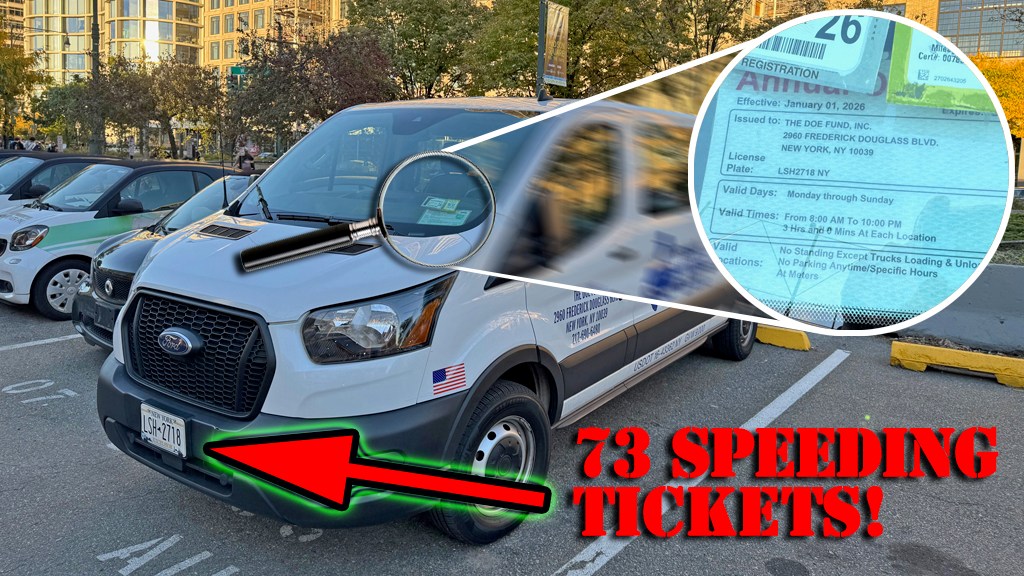
In brighter NY Post news: The paper exposed NYPD bosses allegedly using city-owned vehicles to evade congestion pricing tolls.
MTA officials are preparing another fare evasion crackdown. (WNYC)
The Times dove into how a Waymo self-driving car wound up killing a beloved cat.
Housing production jumped 23 percent in the first year of Mayor Adams’s City of Yes zoning reforms — what’s next under Mayor Mamdani? (Crain’s, The City)
David was Streetsblog's do-it-all New York City beat reporter from 2015 to 2019. He returned as an editor in 2023 after a three-year stint at the New York Post and is now Managing Editor.
Streetsblog has migrated to a new comment system. New commenters can register directly in the comments section of any article. Returning commenters: your previous comments and display name have been preserved, but you'll need to reclaim your account by clicking "Forgot your password?" on the sign-in form, entering your email, and following the verification link to set a new password — this is required because passwords could not be carried over during the migration. For questions, contact tips@streetsblog.org.
A first full fleet inventory led to 70 fewer vehicles, fewer take-home cars and new accountability for crashes. Experts say New York’s deficit-ridden cities should audit their own.
He was struck and badly injured by a car driver. But his injuries weren't sufficient to trigger a real police investigation. And therein lies the problem.