Latest Stats Show Blood Tide on City Streets is Not Receding
The hits just keep on coming.
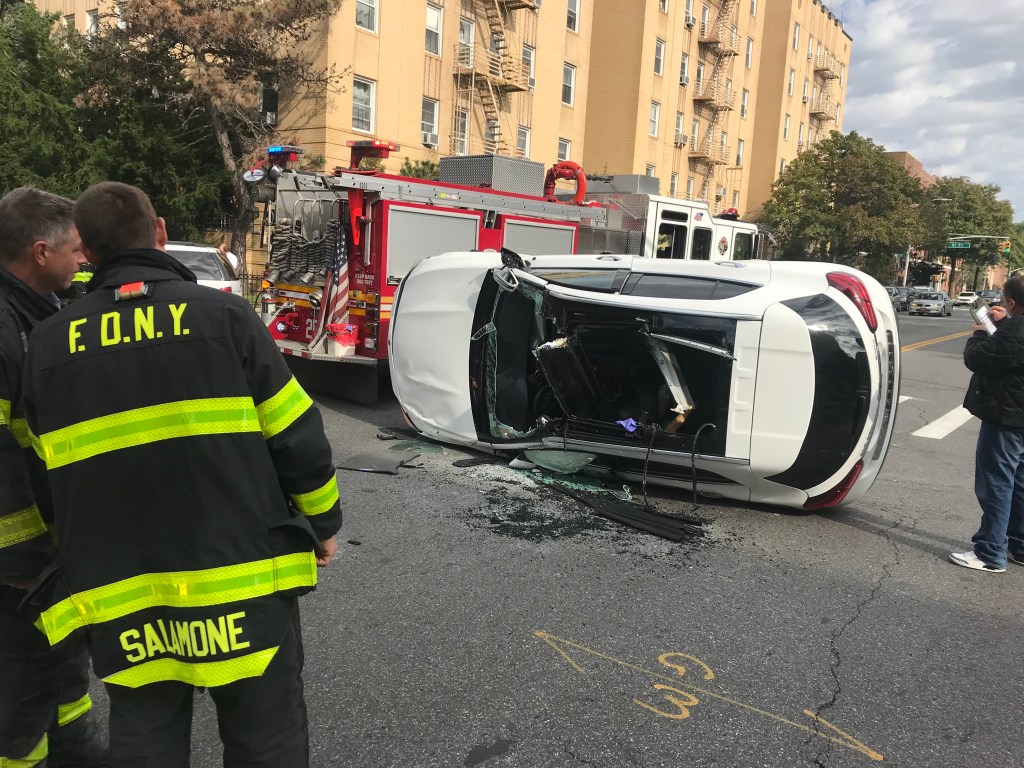
Road fatalities jumped up again, the latest indication that the bloody trend over the first four months of 2019 is continuing.
As of April 21, there have been 64 people killed on New York City streets, up 49 percent from the 43 who were killed over the same period last year, police statistics show. Oddly, over the same period, crashes themselves are down slightly, from 65,102 to 62,291. But even with that decrease, there are roughly 560 crashes per day in New York City.
It is unclear what conclusions can be drawn by the road carnage, but some trends stand out:
- The largest number of deaths — 15 — occurred around the edges of rush hour, either between 5 and 6 a.m. or between 6 and 7 p.m.
- The fatalities are, of course, occurring mostly where car ownership is at its highest. Fourteen of the deaths, for example, were in the Brooklyn South patrol area. Thirteen were in Queens North. Only 3 deaths were in Manhattan below Central Park, which has a large population, but very few car owners. Brooklyn South and Queens North also lead in overall crashes, with 10,400 and 10,271 respectively. That’s roughly 94 crashes per day in half a borough.
- Drivers are entirely to blame for the deaths. According to police, 50 of the 64 fatalities, or 78 percent, were caused by the big three: driver inattentiveness, unsafe speeding or failure to yield. The remaining deaths were due to drunk driving, disregarding traffic signals, poor backing, and other causes.
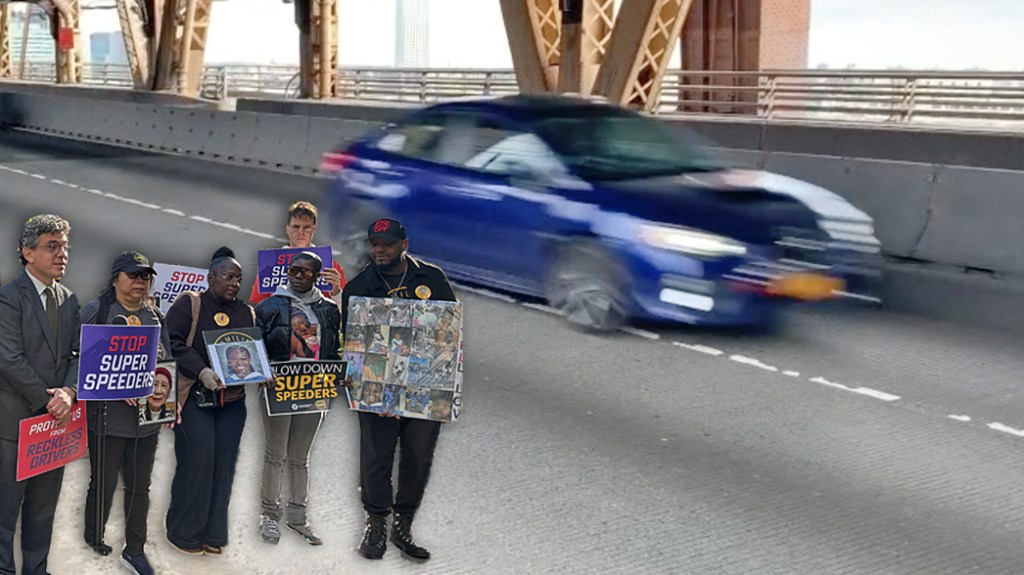
Activists have been sounding the alarm about the danger for weeks, even before this week’s latest statistics.
“As people who have all personally felt the agony of loss, we are horrified,” said Families for Safe Streets co-founder Amy Cohen, accusing the de Blasio administration of moving too slowly on crucial safety redesigns along Amsterdam Avenue, Queens Boulevard and Central Park West, which “still doesn’t have protected bike lanes, despite the clear consensus that safety must come before parking on this corridor.”
“The de Blasio administration’s approach to Vision Zero [leaves] the fate of actual implementation up to the inscrutable push and pull of local politics,” Cohen said. “In each case, the final outcome is too often determined by who yells the loudest, and not by what will save the most lives. Vision Zero, the goal of zero traffic fatalities and serious injuries, requires bold and systemic change — change that always puts safety before politics or a parking space.”
The group will host a vigil at City Hall on May 7 to call for swifter implementation of street-safety redesigns and to a City Council bill that would require the city to implement life-saving measures every time a major street is redesigned.
Overall, under Mayor de Blasio, fatalities are down on New York City streets. In the year before de Blasio took over, there were 299 deaths overall. The number has dropped every year under Vision Zero, down to 202 last year. And the mayor has promised action along Amsterdam Avenue, Queens Boulevard and other roadways.
Update: Department of Transportation spokesman Brian Zumhagen issued this statement after initial publication of this story:
We are concerned about the rise in fatalities we are seeing so far this year, and we are committed to stepping up our Vision Zero safety redesigns. We also believe traffic enforcement efforts will benefit from the further rollout of speed cameras in the wake of state authorization this year. In addition, we expect that congestion pricing will have immediate positive effects on traffic safety, as it has in every jurisdiction where it has been introduced.

Read More:

Streetsblog has migrated to a new comment system. New commenters can register directly in the comments section of any article. Returning commenters: your previous comments and display name have been preserved, but you'll need to reclaim your account by clicking "Forgot your password?" on the sign-in form, entering your email, and following the verification link to set a new password — this is required because passwords could not be carried over during the migration. For questions, contact tips@streetsblog.org.