DOT Has Set a Date to Fix the Infamous ‘Second Avenue Gap’
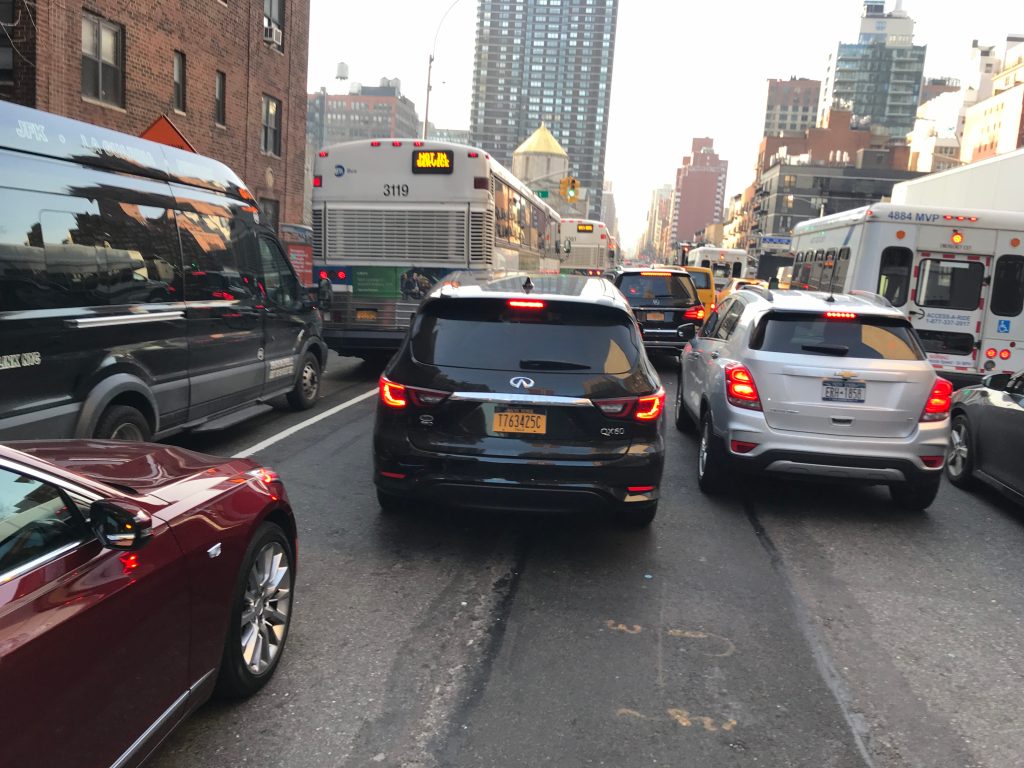
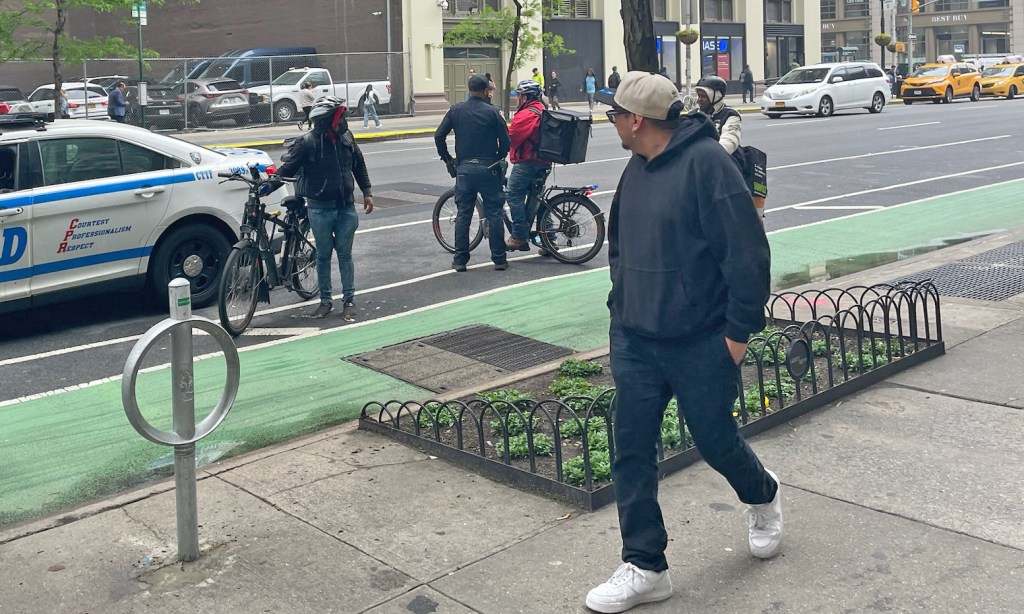
The Department of Transportation said on Thursday that it will finally fix one of the most terrifying routes for cyclists in Manhattan, the dreaded “Second Avenue Gap.”
Work will begin “in the next couple of weeks” to better protect riders along the popular Second Avenue protected bike lane between 68th Street and the Queensboro Bridge,” said Sean Quinn, the agency’s senior director of the bicycle pedestrian project.
“We’re really excited, you know,” Quinn added.
He would certainly not be the only one feeling a little exuberant. Second Avenue’s “degeneration gap” creates a scary situation for cyclists, who are forced into traffic the worst possible place: the spot where drivers get increasingly frustrated — and reckless — as they get stuck in traffic of their own making new the 59th Street Bridge entrance.
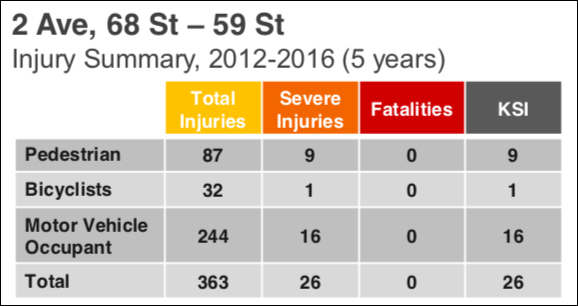
The nine-block safety improvement [PDF] was supposed to be completed last year, but was delayed. That delay resulted in substantial carnage: Between Oct. 1, 2018 and April 1, 2019, there were 231 reported crashes along just that short stretch, resulting in injuries to three cyclists, nine pedestrians and 14 motorists, according to city stats.
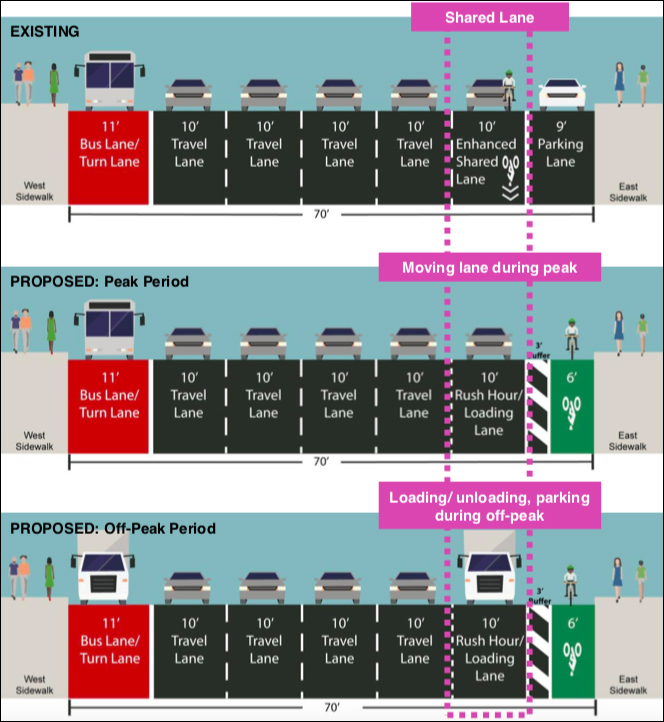
Activists say the DOT plan is by no means perfect because cyclists will not be “protected” by parked cars during rush hour.
Instead, the DOT will allow cars and trucks to use the southbound lane directly next to the bike lane rather than make it a parking lane (see DOT diagram below):
But many cyclists cheered the fact that the improvements will come in weeks, not months.
Another regular user of the lane said she would remain optimistic for now.
Quinn also added that DOT will eventually work on the similar gap “by the Queens-Midtown Tunnel,” but did not offer a date for when that treacherous gap will be fixed. DOT spokesman Brian Zumhagen added more details:
The Department of Design and Construction is implementing important infrastructure upgrades south of 42nd Street that preclude additional street work at this time. DOT continues to work with DDC and the Triborough Bridge and Tunnel Authority [which operates the tunnel itself] on a timeline and will bring a proposal to the community to extend the bike lane south as that project nears completion.

Read More:

Streetsblog has migrated to a new comment system. New commenters can register directly in the comments section of any article. Returning commenters: your previous comments and display name have been preserved, but you'll need to reclaim your account by clicking "Forgot your password?" on the sign-in form, entering your email, and following the verification link to set a new password — this is required because passwords could not be carried over during the migration. For questions, contact tips@streetsblog.org.