Dangerous Drivers Declare Themselves Above the Law

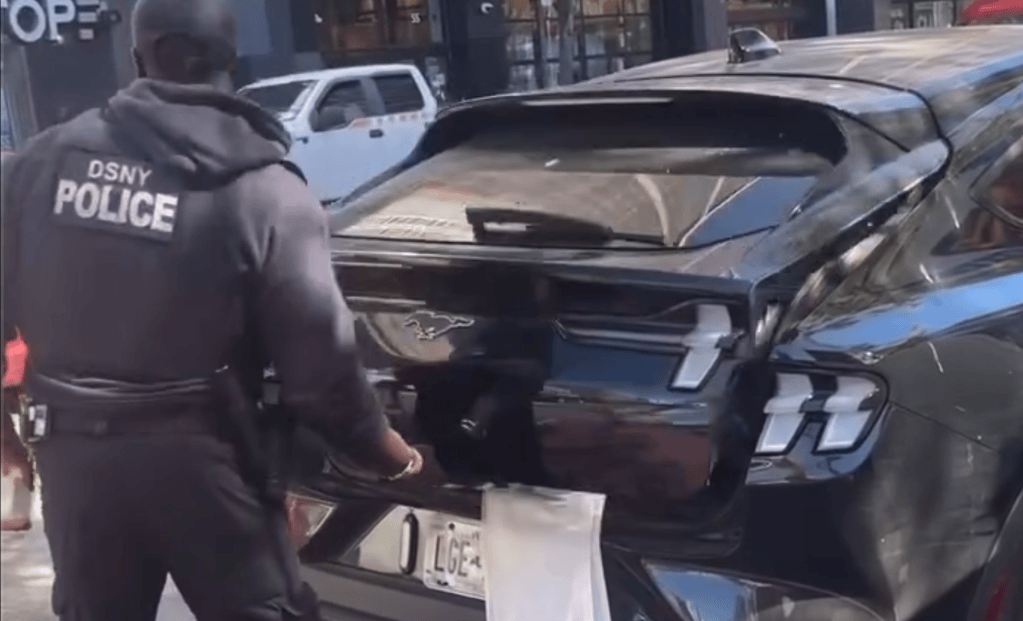
Today’s Wall Street Journal reports on the extraordinary lengths that a certain breed of driver will go to in order to avoid culpability for speeding and red-light running. With the use of automated enforcement cameras on the rise, some motorists are making it abundantly clear that they see themselves as above the law:
Drivers — many accusing law enforcement of using spy tactics to trap
unsuspecting citizens — are fighting back with everything from pick
axes to camera-blocking Santa Clauses. They’re moving beyond radar
detectors and CB radios to wage their own tech war against detection,
using sprays that promise to blur license numbers and Web sites that
plot the cameras’ locations and offer tips to beat them.
The scofflaws raise the usual objections, namely that enforcement cams are used to raise revenue. The Journal cites a recent study that appears to bolster that claim:
But a study in last month’s Journal of Law and Economics concluded
that, as many motorists have long suspected, “governments use traffic
tickets as a means of generating revenue.” The authors, Thomas Garrett
of the St. Louis Fed and Gary Wagner of the University of Arkansas at
Little Rock, studied 14 years of traffic-ticket data from 96 counties
in North Carolina. They found that when local-government revenue
declines, police issue more tickets in the following year.
I won’t dispute the conclusions, but I think the whole premise is off-base. The way to judge the effectiveness of traffic enforcement is not to measure the relationship between tickets and government revenues. You have to measure whether it makes people safer.
New York City’s experience with automated enforcement may be limited, but the results of its red-light cam trial program speak for themselves. Even New York state’s most committed opponent of automated enforcement, Assembly Transportation Committee chair David Gantt, agreed on the usefulness of red light cams in a bill he introduced last year (his motives, it must be said, were questionable):
Red light camera systems are aimed at helping reduce a major safety problem at urban and rural intersections, a problem that is estimated to produce more than 100,000 crashes and approximately 1,000 deaths per year in the United States.
So, when do you suppose we’ll see the Journal headline “Traffic Cameras Save Lives”?

Read More:
Streetsblog has migrated to a new comment system. New commenters can register directly in the comments section of any article. Returning commenters: your previous comments and display name have been preserved, but you'll need to reclaim your account by clicking "Forgot your password?" on the sign-in form, entering your email, and following the verification link to set a new password — this is required because passwords could not be carried over during the migration. For questions, contact tips@streetsblog.org.