Rebuilding Roads with “Practical Design”

Today on the Streetsblog Network, Richard Layman of Rebuilding Place in the Urban Space finds some interesting ideas about the future of American roads in a somewhat unlikely source — the super-mainstream Parade magazine, which comes as an insert with more than 400 newspapers around the country and claims a circulation of 33 million. Layman looks at a Parade’s cover story from yesterday, entitled How We Can Save Our Roads. The Parade article looks at an engineering practice called “practical design” that is being implemented in Missouri:
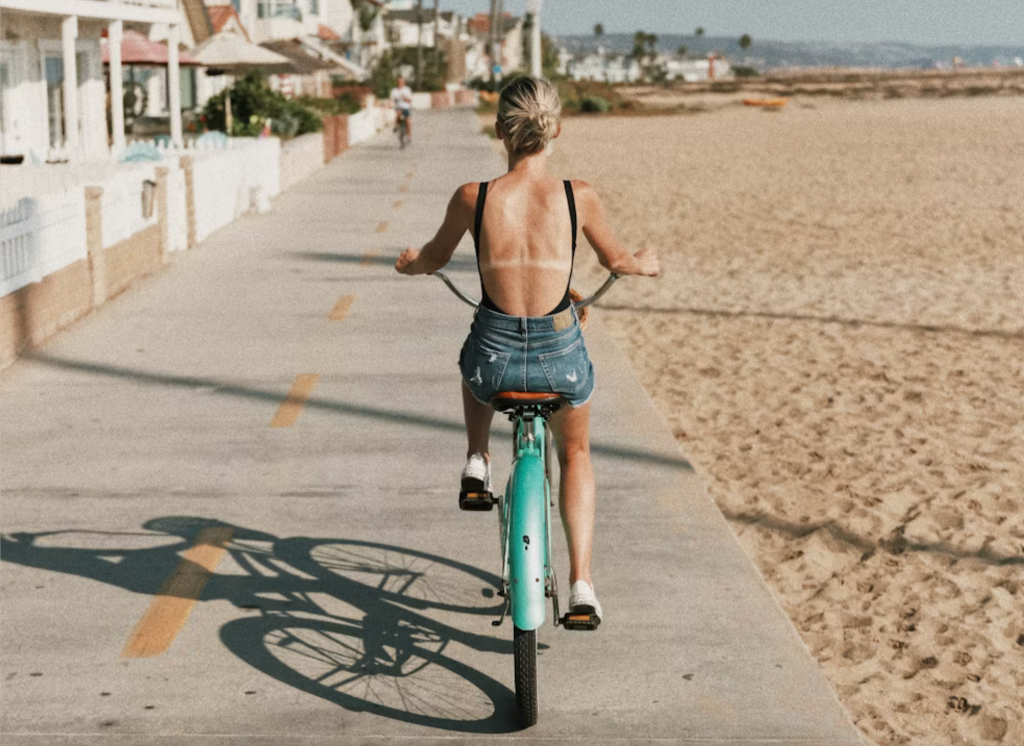
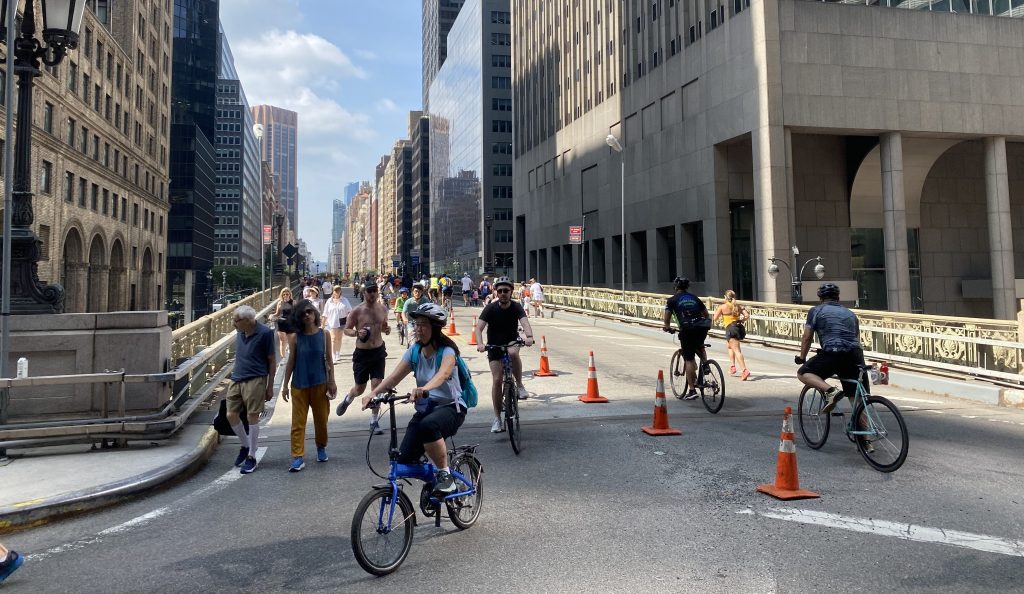
Photo by TheTruthAbout via Flickr.
Today, when Missouri engineers design highways, they aim “not to build perfect projects, but to build good projects that give you a good system,” says
[Missouri’s transportation boss, Pete K.] Rahn. Practical Design says to “start at the bottom of the standards and go up to meet the need. When you meet the need, you stop.”
Layman adds:
The idea of “practical design” has the ability to be “reverse-engineered” and applied more broadly than it is currently being applied in Missouri and other states.
For example, “practical design” of neighborhood roads in a city residential area should mean that the roads don’t get built to the level that accommodates speeds of 50 to 75 mph. After all, the posted speed limits are 25 mph, plus these are mixed-use areas with plenty of walkers, bicyclists, and non-through road traffic (buses, delivery vehicles, etc.).
Elsewhere around the network: Transportation for America summarizes the data from the American Public Transportation Association about last year’s surge in ridership on mass transit; Bike Commute Tips Blog writes about the link between the economic downturn and bike commuting; and Bicycle Fixation has a nifty history of the connection between bikes and the city.

Read More:
Streetsblog has migrated to a new comment system. New commenters can register directly in the comments section of any article. Returning commenters: your previous comments and display name have been preserved, but you'll need to reclaim your account by clicking "Forgot your password?" on the sign-in form, entering your email, and following the verification link to set a new password — this is required because passwords could not be carried over during the migration. For questions, contact tips@streetsblog.org.