EXCLUSIVE: Mamdani Halts NYPD’s Criminal Crackdown on Cyclists, Ending Harsher Treatment of Bicyclists Than Car Drivers
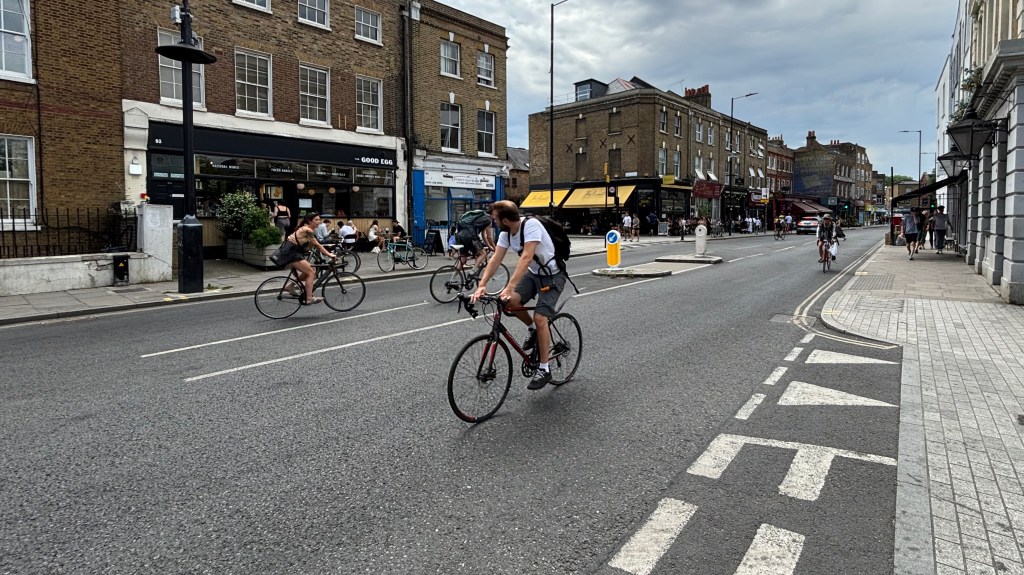
War is over: Mayor Mamdani has ended his predecessor’s criminal crackdown on cycling.
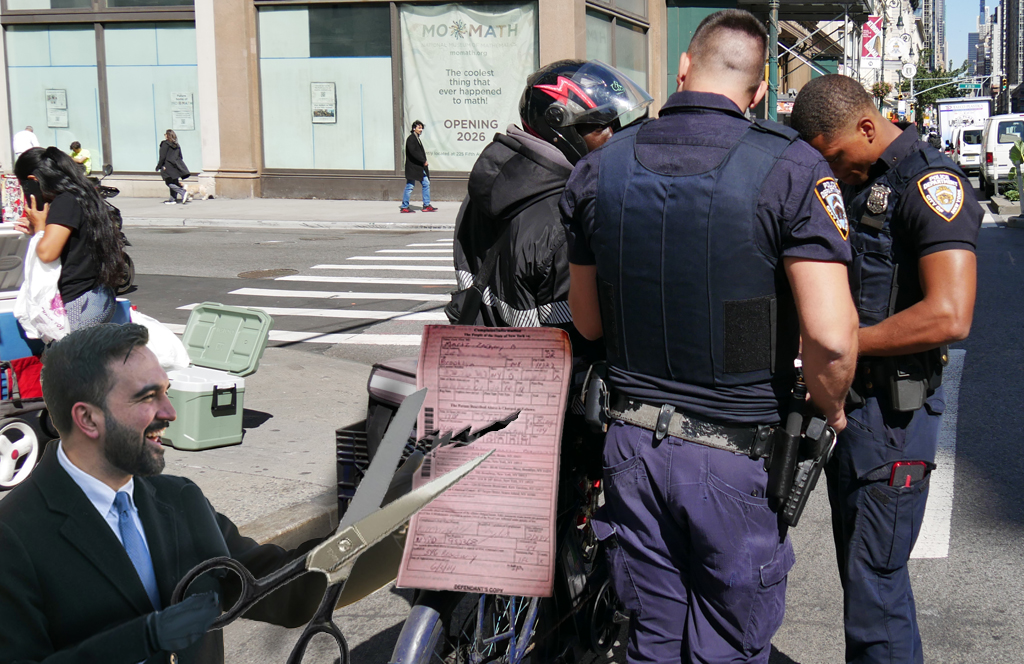
Starting Friday, March 27, cops will no longer write criminal summonses to cyclists for minor traffic offenses, officials said — ending a controversial anti-bike policy that NYPD under former Mayor Eric Adams admitted was based on community chatter, not actual data.
Instead, cops will again issue the same regular traffic tickets to cyclists as drivers, as they did before the Adams administration shifted the NYPD approach.
As part of the end of the war on cycling, the Department of Transportation will also launch a safety program for delivery workers next month — working with worker advocacy groups to roll out the training, which the city will offer in six languages and administer online. The Mamdani administration will also partner with Lyft to take steps to discourage unsafe riding practices, like two people sharing one Citi Bike, and to spread the word about a forthcoming safety education campaign in collaboration with Transportation Alternatives.
“Every New Yorker on our roads, whether driving or biking, deserves to be treated fairly. By ending criminal summonses for low-level traffic offenses, we’re ensuring cyclists and e-bike riders — including those who deliver our food and groceries — are treated like others on the road,” Mayor Mamdani said.
The Mamdani administration had maintained the policy over its first three months, but now will again treat cyclists who run red lights or commit other minor violations the same as car drivers, who cause almost all of the carnage on the road and whose heavier vehicles are far more dangerous than bicycles.
NYPD’s own statistics bore this out: In 2024, 9,610 pedestrians were injured in crashes, just 37 of them in crashes with e-bike riders — meaning that e-bike riders caused just 0.4 percent of pedestrian injuries that year.
That pattern continued in the first three months of 2025, with one pedestrian injured by an e-bike rider, according to the NYPD. Over the same period, 2,271 were injured overall, so e-bike riders caused less than 0.04 percent of the reported pedestrian injuries. (The NYPD stopped providing data after the crackdown on cyclists began.)
Mamdani campaigned for mayor promising to end the policy, which was particularly cruel to immigrant delivery workers with pending asylum cases, because it required them to appear in court, losing hours of wages and also exposing them to the criminal justice system. But the mayor retained Adams’s NYPD Commissioner Jessica Tisch, the architect of the policy, and Mamdani repeatedly sidestepped reporters’ questions about it during his first months in office.
Since Mamdani took office, the NYPD had continued ticketing riders and Hizzoner continued to waffle on how and when he would make good on his promise to end the policy – including at the spot where he held a press conference about safer cycling infrastructure by fixing the “Zohramp” at Williamsburg Bridge’s Manhattan exit.
Interestingly, no one from the NYPD was quoted in the Mamdani administration’s lengthy announcement revealing the end of the policy, but NYPD spokesman Brad Weekes told Streetsblog that the entire administration is on the same page regarding the shift away from criminal summonses.
“The department will be following through on this directive,” Weekes said.
Now, as the weather warms up and many more New Yorkers will start cycling again, they will no longer have to worry about unfair enforcement.
“My immediate reaction is, ‘Thank God, for so many reasons,'” said Phaedra Paulson, a Brooklyn mom who received both a criminal summons and a traffic ticket on her e-bike last year. “It just felt like such a waste of everybody’s time.
“It didn’t make our city any safer,” she added.
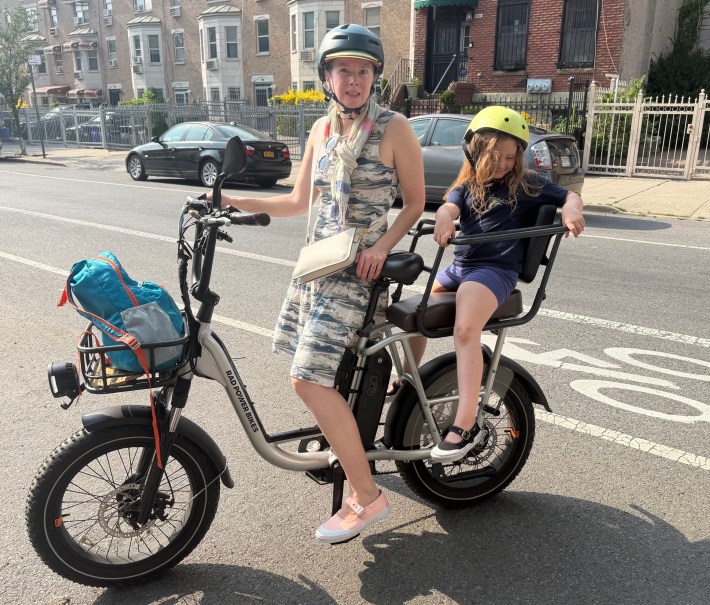
Paulson said she voted for Mamdani due to his opposition of the policy.
“It was one of the reasons why I wanted to vote for him, because it felt like he wanted to have a thoughtful nuanced response to it,” the Brooklynite said. “I’m very excited that he’s actually thinking about working-class New Yorkers.”
Apps must now deliver
Beyond announcing the end of the two-tiered system of traffic enforcement, the Mamdani administration committed to work with the City Council to “pursue legislation to address unsafe practices by third-party delivery app companies.”
City Hall is proposing to require third party app delivery companies, like GrubHub, UberEats, DoorDash and Instacart, to provide trip level data to the city, instead of just the aggregate data required by the 2021 minimum pay standard law. The legislation will also authorize the city to create delivery time standards, regulate penalties imposed on workers, require enhanced training for delivery workers who repeatedly ride recklessly, and expand commercial delivery training requirements to cover mopeds and motorcycles in addition to e-bikes.
Deliver worker advocates were pleased that the Mamdani administration’s focus is shifting to delivery app companies, rather than punishing the behavior of workers, who are under pressure to make deliveries quickly.
“For too long, app delivery companies have built business models that push workers to speed, work long hours and ride in unsafe conditions — making delivery one of the most dangerous jobs in New York City,” said Ligia Guallpa, executive director of the Workers Justice Project/Los Deliveristas Unidos.
The Council’s Transportation Committee Chair applauded the mayor’s legislative proposal.
“If we’re serious about safety, we have to address the root causes of dangerous riding, and that includes the systems pushing people on bikes to take risks,” said Council Member Shaun Abreu (D-Morningside Heights). “Our path forward must include holding delivery app companies accountable for unrealistic timelines, investing in real training for workers and continuing to redesign our streets so everyone has a safe place to be, whether you’re walking, biking or driving.”
How it began
The Adams administration crackdown on cyclists launched in late April 2025, and quickly escalated to include a 15-mile-per-hour speed limit on legal e-bikes, and a 15-mile-per-hour speed limit on all users of the Central Park Drive bike path.
Streetsblog – which broke the initial story of the crackdown and continued to cover it with vigor – fielded dozens of reports from cyclists caught up in the dragnet. Their stories included cops pulling a taser, beating up a teen, slapping that Brooklyn mom with double tickets, and entrapping riders by jumping in front of them.
Cyclists who received criminal summonses had to go take hours off from work to physically attend an in-person hearing, only to get lectured by judges before the judges almost entirely dismissed the tickets anyway. Cops, meanwhile dialed back their ticketing against car drivers.
But there was no hard data to back up the blitz, with city stats revealing that e-bike crashes had been trending down in the lead-up to policy. It became clear that the whole effort was guided mostly by vibes and “community” complaints – among them Commissioner Tisch’s own mother.
However, there was plenty of public opposition, including from the city’s usually car-obsessed community boards. The backlash also prompted a critical mass protest, led by the NYC Bike Messenger Association.
— with Gersh Kuntzman


Streetsblog has migrated to a new comment system. New commenters can register directly in the comments section of any article. Returning commenters: your previous comments and display name have been preserved, but you'll need to reclaim your account by clicking "Forgot your password?" on the sign-in form, entering your email, and following the verification link to set a new password — this is required because passwords could not be carried over during the migration. For questions, contact tips@streetsblog.org.