In New York-10, Brad Lander and Dan Goldman Answer Streetsblog’s Questions
Every two years, we ask Congressional candidates to answer a series of questions to determine if they truly support the livable streets movement or merely pay lip service to it. Today, we hear from the two main candidates in the June 23 Democratic primary for the 10th Congressional District, which covers downtown Manhattan and a swath of Brownstone Brooklyn. Rep. Dan Goldman, the incumbent and former federal prosecutor, is being challenged by Brad Lander, the former city comptroller and Council Member. These answers have been edited for space. If you want to read each candidate’s promotional material, click on the links above. These questionnaires are about the future, not the past.
1. What can you do — as a lone member of Congress — to make the federal government more responsive to the needs of cities?
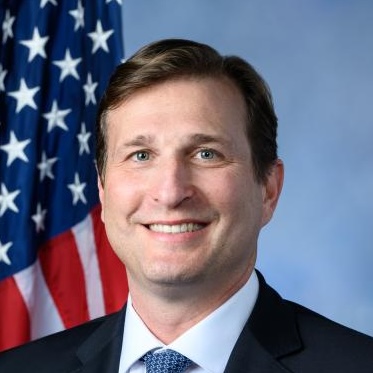
Dan Goldman: Congress is structurally tilted towards the interests of suburban and rural communities, not urban ones. Most members don’t ride the subway, don’t rent, and don’t rely on public housing, so those priorities consistently lose out. The answer is to build a durable coalition of members who represent urban districts with the leverage to secure attention and investment in the things our cities need like public transit, housing, and coastal resilience. We must also make the economic case for those investments to appeal to members who do not live in urban areas.
As Reps. Nadler and Velázquez retire, I hope to honor their legacies by continuing the fight for NYCHA, transit investment, and city infrastructure funding.
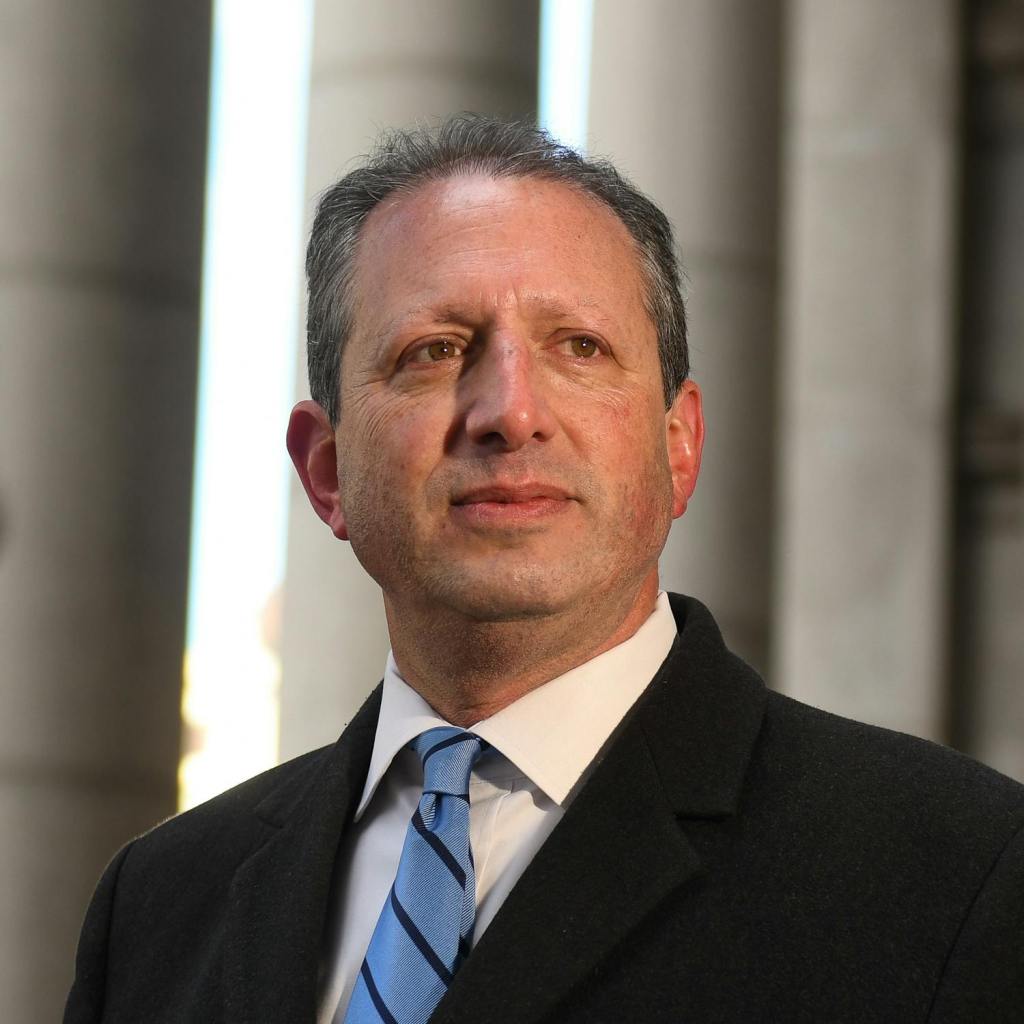
Brad Lander: As I’ve shown in efforts from the Prospect Park West bike lane, to congestion pricing, to the 2025 mayoral primary, I view politics as a team sport. In Congress, I will be a dedicated, strategic, effective team player to make the federal government more responsive to the needs of cities, especially housing and transit.
This is especially critical for New York City at this moment, as we are losing two members – Jerry Nadler and Nydia Velazquez – who have been the housing and transit champions for New York City. It is evident that Dan Goldman cannot play that role, having failed to show up as a leader on congestion pricing, or to build the strong relationships this role demands, as witnessed both by the fact that his colleagues in the NYC delegation have not endorsed him, and that he failed to endorse Zohran Mamdani for Mayor, even after he won the Democratic Primary.
I will, of course, fight for New York City’s fair share of federal resources — starting with transit funding, where the imbalance is stark and inexcusable. Despite moving nearly 50 percent of American transit riders, New York has historically received only around 15 percent of federal transit funding, while New Yorkers continue to pay more in federal taxes than they receive back in services. I will fight to rebalance that formula and secure the billions our transit system deserves.
I will push federal agencies to evaluate projects based on their ability to reduce vehicle miles traveled, which improves quality of life, protects the environment, and encourages smart, sustainable growth. I will also work along with “abundance” advocates, across party lines, to streamline the fund-to-build process so that dollars we win in Washington actually translate into completed projects on the ground in a timely manner, because securing funding is only half the battle, and New Yorkers deserve a representative who will see it through from appropriation to ribbon-cutting.
2. Tens of thousands of New Yorkers are injured in hundreds of thousands of reported crashes every year. What is the primary reason for that — and what should the federal government do to change that?
Goldman: Safety and quality of life for New Yorkers is one of my utmost priorities, and imposing speed limits, and improving street safety and street design are vital steps in reducing the amount of car crashes. I believe that the federal government needs to provide the city and state with the funding to ensure infrastructure is up to date, including funding streetscape upgrades at our most dangerous intersections. I am looking forward to supporting additional bills in Congress that will speak to infrastructure issues and protect vulnerable communities.
The antithesis of car-related fatalities and injuries is improved walkability and public transit investment, of which I have already been a strong proponent in Congress. NY-10 boasts an exemplary public transportation network and dense, walkable neighborhoods, and I hope to improve upon that even further.
Lander: The primary reason that New Yorkers are injured in thousands of crashes each year is that we have designed our urban environment to cater to cars, not people. I will prioritize public design to keep New Yorkers safe and mitigate the destructive vehicle crashes that continue to plague our city.
Federal highway funding has long favored highway sprawl over infrastructure that ensures the safety of pedestrians and riders alike. As a result, bridges and roads in New York City have aged, with no fix in sight, and residents have been stuck with car-centric infrastructure. I will fight for a scoring system favoring projects that “fix it first.” This would prioritize allocating funding for repairs to existing infrastructure before building new sprawl. This scoring system should also evaluate new projects based on their ability to impact safety and prioritize projects that will reduce traffic fatalities.
3. The federal government has broad regulatory oversight over many aspects of our built environment. What are the levers you can’t wait to get your hands on?
Goldman: Our country is in the midst of a historic housing crisis, which is hitting communities in my district particularly hard. Honestly, Congress — as well as city and state governments — have failed to address this crisis for far too long.
We need a truly comprehensive approach to create and sustain quality homes that are affordable to people of all income levels and close to transit, ensuring that New Yorkers are not priced out of the neighborhoods they’ve always called home. I have collaborated wherever possible with city and state elected officials to increase housing supply in the city, including by helping to reach agreements to develop 5 World Trade Center (1,200 units with 35 percent affordable at 60 percent AMI) and Brooklyn Marine Terminal (up to 6,000 with 40 percent affordable at 60 percent AMI). The multibillion-dollar revitalization of the Brooklyn Marine Terminal will create hundreds of new, good-paying union jobs and save hundreds of existing ones that were at risk from the consequences of decades of disinvestment.
Lastly, I look forward to continue supporting projects like the IBX so that Brooklyn and Queens residents can rely on public transportation to get them from borough to borough, support accessibility projects for the MTA like the elevator installation at Delancey – Essex Street, Spring Street Station (which I am allocating federal funds to support), and strengthening the blue highway so that we rely less on trucks going through neighborhoods and use our waterways. Communities like Sunset Park have been long overdue for safety upgrades – Third Avenue for example where too many deaths have occurred due to unsafe pedestrian and vehicular connections.
Lander: One of my favorite activities in public service is identifying strategic ways to utilize the tools of government, in partnership with coalitions of advocates, to make progress toward goals in new ways. Some examples of this from my past work are: participatory budgeting, the Reckless Driver Accountability Act, the NYC Capital Projects Dashboard, the congestion pricing litigation coalition, deploying the pension funds to advance climate and housing and workers rights goals, Public Solar NYC, and ranked-choice voting.
I will work to reshape federal transportation funding priorities, pushing federal agencies to evaluate projects based on their ability to reduce vehicle miles traveled, which improves quality of life, protects the environment, and encourages smart, sustainable growth. I will push the federal government to prioritize smart public design to enable safe, convenient, human-powered transportation like cycling and walking.
Similarly, I will push to reform Federal transportation policy and funding to encourage strategic metropolitan growth. The Trump Administration has dismantled strategic planning, doubled down on climate-killing transit practices, and abandoned workers. But even before that, federal transportation funding too often funded highways, supported sprawl, and did little to build sustainable communities. Powerful new opportunities exist in the era of remote/hybrid work, if we are willing to build high-speed regional rail with transit-oriented development around it.
I will work to reconstitute and dramatically expand the Partnership for Sustainable Communities to foster smart metropolitan growth. During the Obama Administration, this initiative brought together funding from the U.S. Department of Transportation, the Environmental Protection Agency, and the Department of Housing and Urban Development to strategically dedicate federal resources to build livable communities. This common-sense coordination treated transportation, housing, and sustainability as interconnected systems, instead of individual silos. But even at its height, it was largely a pilot program, with the bulk of spending taking place in different agencies. With an urgent need for more affordable housing, climate solutions, and more connected metropolitan areas, the Partnership for Sustainable Communities should be renewed as a central feature of federal infrastructure investment. A strategic, forward-looking transportation vision is crucial for improving both livability and affordability in the New York City metro area and around the country.
I will also work along with “abundance” advocates, across party lines, to streamline the fund-to-build process so that dollars we win in Washington actually translate into completed projects on the ground in a timely manner, because securing funding is only half the battle, and New Yorkers deserve a representative who will see it through from appropriation to ribbon-cutting.
4. Car owners dislike bike and bus lanes and would prefer to have that space for parking. What do you think?
Goldman: I think our ultimate goal should be to reduce reliance on cars and I believe that the best way to do so is by massively investing in and improving our public transit systems until they are a far more appealing option than driving for every New Yorker. Too many New Yorkers, including in my district, live in transit deserts (i.e. Red Hook, Lower East Side). Not only will it be more equitable to take a supply-side approach first, it will be more politically palatable to the majority of stakeholders that will be needed in coalition for the long-term transition to a more pedestrian and transit oriented city.
I also believe that Congress should leverage its funding for bus transportation to encourage the creation of busways and bus rapid transit where appropriate to increase the speed of buses and the efficiency of federal investments. Protected bike lanes parallel to pedestrian walkways only support and strengthen neighborhoods. I was proud to stand with advocates like Transportation Alternatives, and Rep. Nydia Velazquez at a recent celebration of the Brooklyn Greenway along Third Avenue in Sunset Park.
I have pushed for government investments to improve MTA bus service and expand the Fare-Free Bus Pilot program in efforts to make public transit more equitable and our city more connected. I have advocated for the MTA Zero-Emission Electric Bus Program to reduce federal carbon emissions and help improve air quality, which I believe is key to creating a greener future in the city while providing all New Yorkers with accessible transit options. I look forward to continuing another term in Congress so that I can help complete that vision of a greenway from Red Hook, to Gowanus, to Sunset Park, ending in Bay Ridge.
Lander: Roughly three-quarters of New York City households do not own a car. NY-10 is extraordinarily well-served by public transit and Citi Bike, and we are blessed with livable, walkable neighborhoods. Since the beginning of my time in public office, I have been a champion for public realm improvements that prioritize transit, cycling, walking, sustainability, community-building, and safety, even when that has meant a reduction of parking spaces.
In these efforts, I look to have honest and transparent conversations with constituents who are frustrated about the loss of parking spaces, about the trade-offs, and why it is worth shifting from a city built around cars to a city built around people. For example, when I was in the City Council, I worked with City Hall, advocates, and neighbors to bring Citi Bike to our district. While many constituents welcomed it, of course some did not. It is, indeed, often very difficult to find parking in Brownstone Brooklyn. Over time, though, the only real answer to the shortage of parking is fewer car trips. I communicated directly to my residents and made clear that Citi Bike would enable people who can use transportation alternatives: and that if those investments help just a small fraction of people decide they don’t need a car, then we will quickly get back all of the spaces lost to Citi Bike.
In Congress, I will continue to model this approach: courage to move forward toward a more sustainable and affordable city built around people, and respectful conversations among neighbors as we do.
5. How do you get around your district?
Goldman: Bike, e-bike/scooter, on foot, bus, subway, private car
Lander: Bike, e-bike/scooter, on foot, bus, subway, private car
Early voting starts on June 13. Mayor Mamdani has endorsed Lander.
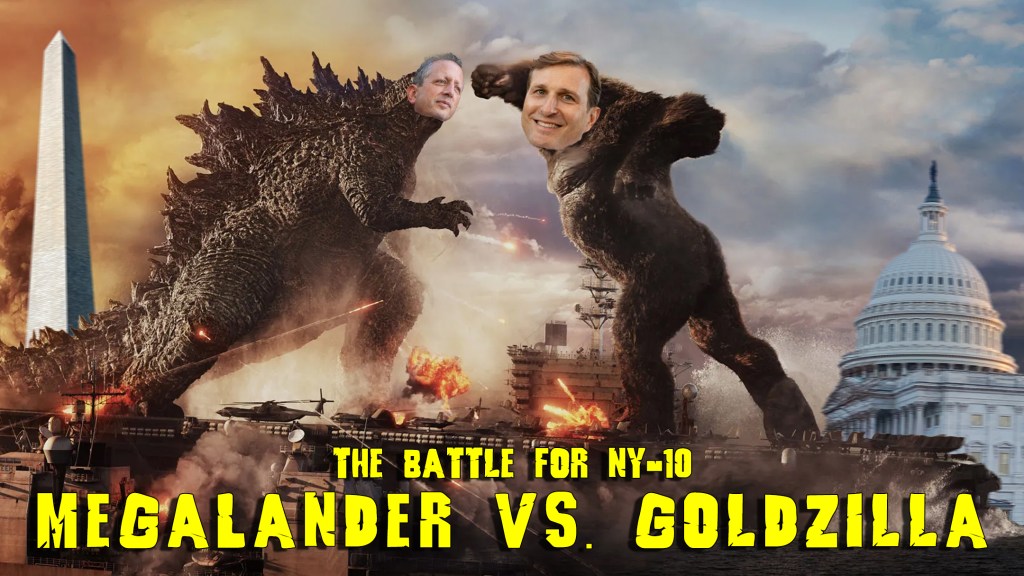
Clarification: After initial publication of this story, it occurred to the Streetsblog Photoshop Desk that Editor Gersh Kuntzman miscommunicated what he wanted from the graphic at the top of this page. The working headline was “Landzilla vs. Megadan,” which was a play off the hit film, “Godzilla vs. Megalon,” he actually sent over a picture of Godzilla battling King Kong. Streetsblog regrets the confusion.
Read More:
Streetsblog has migrated to a new comment system. New commenters can register directly in the comments section of any article. Returning commenters: your previous comments and display name have been preserved, but you'll need to reclaim your account by clicking "Forgot your password?" on the sign-in form, entering your email, and following the verification link to set a new password — this is required because passwords could not be carried over during the migration. For questions, contact tips@streetsblog.org.