MTA Attorneys Accuse Feds Of Ethical Breach In Congestion Pricing Lawsuit
Looks like someone needs to go back to law school.
Attorneys for the MTA blasted their federal counterparts in court filings earlier this month for hiding crucial information from the judge overseeing one of the lawsuits to cancel congestion pricing — accusing the feds of crossing an ethical line that experts said any lawyer would know not to cross.
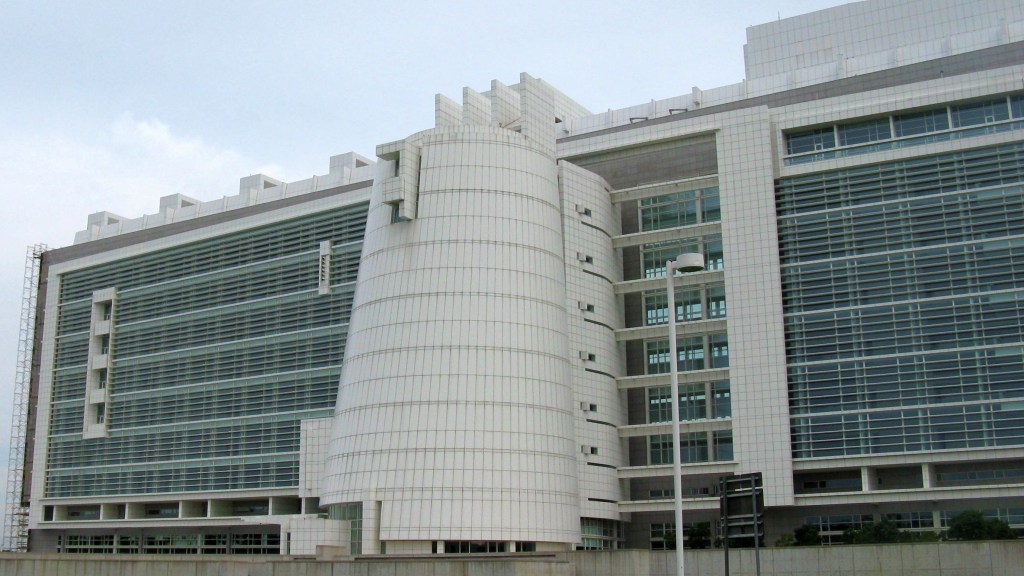
The federal lawsuit by the Town of Hempstead — alleging that congestion pricing is unconstitutional — has grinded its way through the Eastern District of New York since May 2024. (This is a different suit than the Town of Hempstead’s state-level legal clown car that crashed into state court in 2025. An appellate judge tossed that one out.)
In an Oct. 16 letter sent to Judge Joan M. Azrack, MTA attorney Roberta Kaplan accused Department of Justice lawyers representing the Federal Highway Administration — which remains a defendant in the suit despite the Trump administration’s opposition to the toll — of failing to inform the judge of recent court decisions in favor of keeping the toll in place.
The town named the FHWA as a defendant because it provided the required approvals to start congestion pricing during the Biden administration. That created the awkward situation of the Trump administration technically remaining as a defendant on the case despite the president’s opposition to the traffic toll.
Earlier this month, Justice Department lawyers filed an answer to the charges that the Town of Hempstead laid out in its suit, and in that answer they offered little defense of congestion pricing. Their reluctance to defend the toll isn’t entirely unexpected: the Trump administration has spent the last two years attempting to end congestion pricing.
But the government crossed a line, according to Kaplan, when Justice Department attorneys feigned ignorance of prior case law.
First, Kaplan said, the feds failed to tell Judge Arzack that the U.S. Court of Appeals declined to hear an appeal by the county executives in Orange and Rockland counties in their failed 2024 effort to toss congestion pricing. Those lawsuits rested on arguments that closely resemble the Town of Hempstead’s arguments in its federal suit.
The U.S. Court of Appeals’ Second Circuit affirmed the lower court’s decision in the Rockland-Orange case, thereby binding other cases that involve the same or similar arguments. Even if the feds do not want to mount a vigorous defense of congestion pricing, the FHWA still has an ethical duty to inform the judge about a decision that may require the judge to agree with the MTA’s request to dismiss the case, experts said.
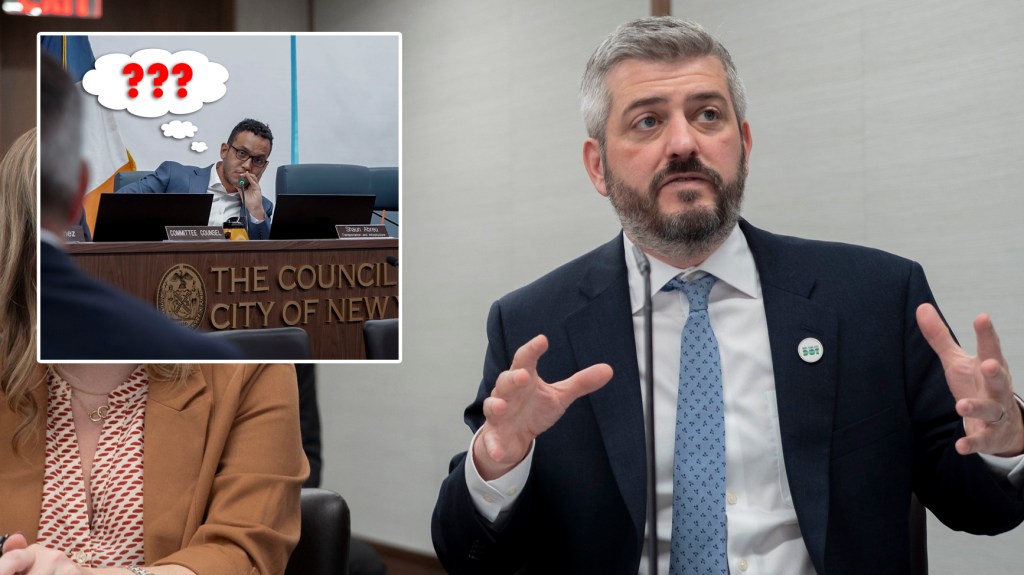
“Ordinary practice would be to let the court know early and often about cases that may control its decision, and you do have a general duty to apprise the court,” said Dror Ladin, an attorney who sued New York State to undo Gov. Hochul 2024 congestion pricing pause and represented parties supporting the MTA’s suit against the federal government to defend congestion pricing. “The MTA is pointing out that it’s very discordant to have this case that seems squarely on point and to control and to not even cite it in your answer to those claims.”
Kaplan also accused her counterparts of playing games with another court decision that didn’t go the federal government’s way. In March of this year, Judge Lewis Liman in the Southern District of New York punted one of the Town of Hempstead’s central claims: that congestion pricing isn’t authorized by the Value Pricing Pilot Program.
The Justice Department’s brief did in fact mention that Liman ruled against the government when the MTA sued the FHWA over Trump’s attempt to trash congestion pricing — but only to say that the government is appealing the ruling. However, the government is not appealing the portion of Liman’s decision in which he ruled that the VPPP authorized congestion pricing.
Liman’s decision doesn’t bind the Eastern District, but it’s nevertheless relevant that a nearby federal judge rejected the exact same argument being offered by the feds, especially since the federal government omitted this detail from its own federal appeal. The fact that federal attorneys failed to mention what they were appealing constitutes another unusual attempt to hide judicially pertinent information from the judge.
“[T]he S.D.N.Y.’s Duffy decision, although not binding on the Court here, is highly persuasive authority as to the meaning of the VPPP, which determination, contrary to what the Federal Defendants would have this Court believe, is not the subject of appellate review,” Kaplan wrote.
It may seem like a technical detail, and Ladin said it would be extremely unlikely that Arzack would not be informed of issues like this in the MTA’s own motion to dismiss the Town of Hempstead case. But what makes the move unusual is that the federal attorneys ignored long standing legal principles that even rookie litigators rarely defy.
“The ethical duties that are imposed on lawyers is that you can’t sort of discharge your duty by assuming that someone else will take care of it,” Ladin said. “The [Town of Hempstead], when they’re responding to the MTA, they can’t just pretend that the Second Circuit decision doesn’t exist In general, the idea is you can’t sort of hide the ball from the court. Every party that’s participating has a duty of candor. You can’t leave that duty to someone else.”
Kaplan didn’t ask for any sanctions or any specific consequences in her letter, and instead chose to highlight the government’s actions in an attempt to make sure that Judge Arzack is explicitly aware of what’s going on under her watch.
“[A]s officers of the Court, we believe it is necessary to inform Your Honor now of the Answer’s failure to accurately describe relevant legal authority,” she wrote.
The alleged ethical line-crossing is yet another embarrassing lowlight for the Department of Justice and the FHWA during the Trump administration’s campaign against congestion pricing.
Last year, Justice Department lawyers accidentally uploaded a memo in which they cast doubts on every argument that Transportation Secretary Sean Duffy had used in an attempt to end congestion pricing. The lawyers warned Duffy that his central positions — that the VPPP did not authorize congestion pricing, and that cordon pricing must include a free route for drivers — would lose in court. Judge Liman fulfilled their warnings when he sided with the MTA after Duffy tried to unilaterally terminate congestion pricing.
Before that memo mishap, Duffy also sent a series of legally questionable letters with constantly shifting rationales for why he could end congestion pricing, and constantly moving deadlines for when the MTA had to turn off the congestion pricing cameras.
One transit advocate who’s also an attorney threw up his hands at the latest instance of legal buffoonery that continues to waste everyone’s time and resources.
“As a transit rider, taxpayer, and lawyer, it’s infuriating to watch MTA resources go to combat disinformation disguised as argument,” said Riders Alliance Director of Policy and Communication Danny Pearlstein. “The federal government is using subterfuge to waste the judge’s and MTA attorneys’ time and all of our money. As Kaplan writes, the Trump administration knows what the law is but insists on pretending otherwise to delay its own defeat. The court shouldn’t stand for it.”

Read More:
Streetsblog has migrated to a new comment system. New commenters can register directly in the comments section of any article. Returning commenters: your previous comments and display name have been preserved, but you'll need to reclaim your account by clicking "Forgot your password?" on the sign-in form, entering your email, and following the verification link to set a new password — this is required because passwords could not be carried over during the migration. For questions, contact tips@streetsblog.org.