‘Whole Lot of Nothing’: Mamdani’s Vision Zero Plan Dilutes Adams-Era Daylighting
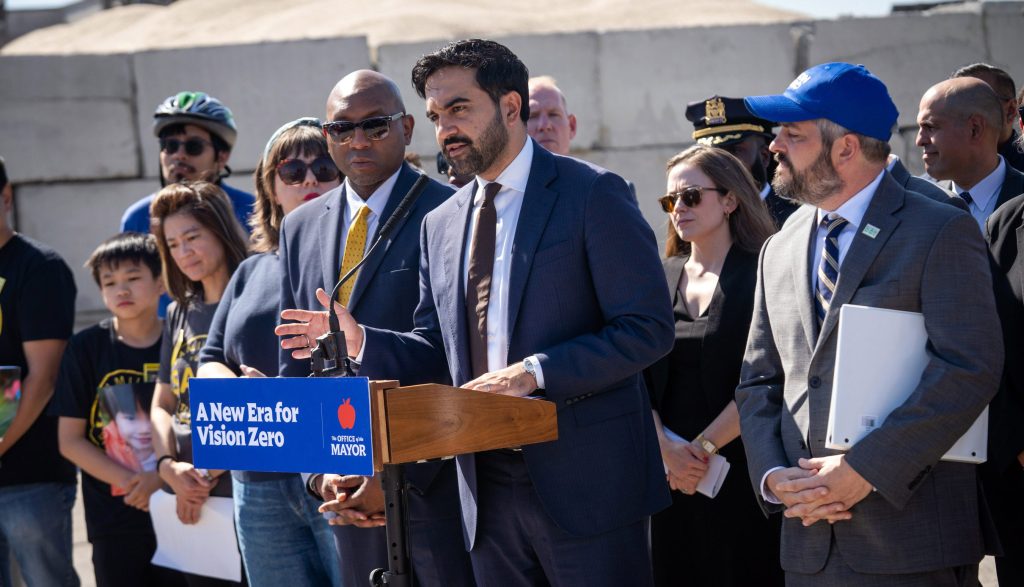
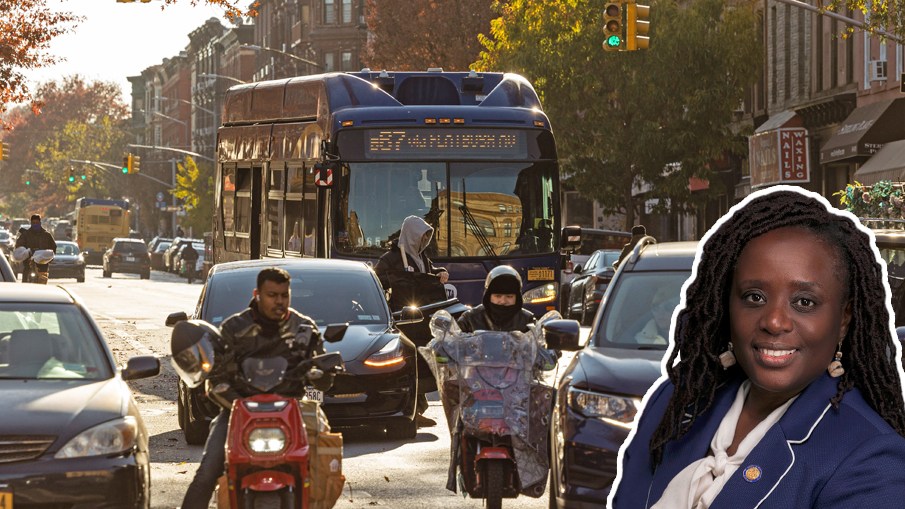
Mayor Mamdani’s new “Vision Zero Reimagined” street safety plan is alarming advocates who say it dilutes the city’s ongoing effort to ban parking at corners for better visibility, a life-saving measure known as daylighting.
Mamdani wants to usher in a “new era for Vision Zero” and his plan promises to add “hardened daylighting or better at a minimum of 1,000 intersections each year.” But officials only loosely defined “or better” as “including but not limited to safety street improvement projects, traffic signals, all-way stops and leading pedestrian intervals.”
“This statement on daylighting — I don’t even want to call it a commitment — when you dig into it it’s a whole lot of nothing,” said Kevin LaCherra, a Greenpoint street safety activist who has organized for universal daylighting for years. “When you’re actually looking at what they could be counting as that — entirely at their discretion — they’re including crosswalks and stop signs.”
Mamdani supported universal daylighting on the campaign trail, over the entrenched resistance of the Department of Transportation’s bureaucracy, but his signature plan for curbing traffic violence cements his pivot away from his election stance.
The plan’s vague language allows DOT to implement daylighting at far fewer than 1,000 intersections — or none at all — while padding its numbers for intersection upgrades with other work officials are already planning to do, like protected bike and bus lanes, retimed traffic signals and extra stop signs. Intersections are the deadliest component of the street grid, accounting for 59 percent of pedestrian deaths and 77 percent of pedestrian injuries.
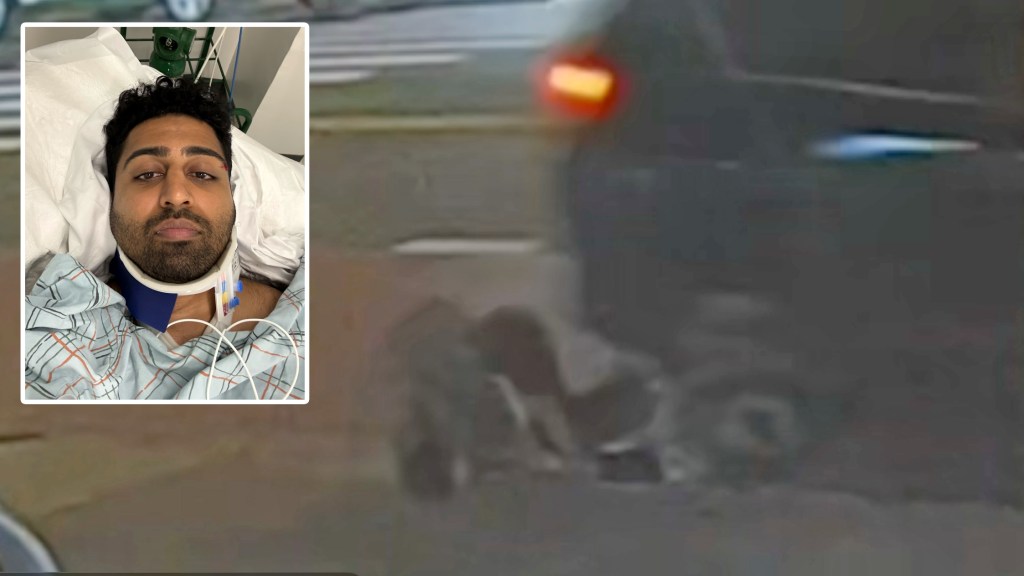
Former Mayor Eric Adams vowed in 2023 to clear parking from 1,000 intersections annually, in response to a spate of drivers running over children at corners where parked cars blocked sight lines that year, including 7-year-old Dolma Naadhun in Mamdani’s home neighborhood of Astoria and 7-year-old Kamari Hughes in Fort Greene.
DOT then scaled back that effort by reducing the goal to 1,000 locations per year. This was significant because every standard street junction has at least eight “locations” capable of daylighting. The agency released a list of slightly more than 300 spots it worked on at the time, included several the agency double-counted.
The DOT has historically relied on other street treatments to inflate its statistics. It leans heavily on certain measures that don’t intrude on car parking, like retimed pedestrian signals and stop signs.
“For years on this issue [DOT] obfuscated what’s actually happening on the ground, what’s actually going in,” said Alex Morano, another Brooklyn daylighting advocate. “There’s just going to be no trust from advocates that they’re going to hit the mark on this.”
A representative for DOT said the new plan is an upgrade from its work under the previous administration, which focused primarily on “sign-only,” rather than hardened, daylighting.
“The previous daylighting commitment relied on sign-only installations at more than half of intersections, while only about a quarter received hardened daylighting,” said DOT Acting Assistant Commissioner for Media Relations Vin Barone. “The new Vision Zero Action Plan takes a more comprehensive, aggressive approach to the issue, and includes redesigning each of the city’s most dangerous streets and upgrading 1,000 intersections through hardened daylighting or other proven safety measures, such as full-scale redesigns, traffic signals, all-way stop signs and leading pedestrian intervals.”
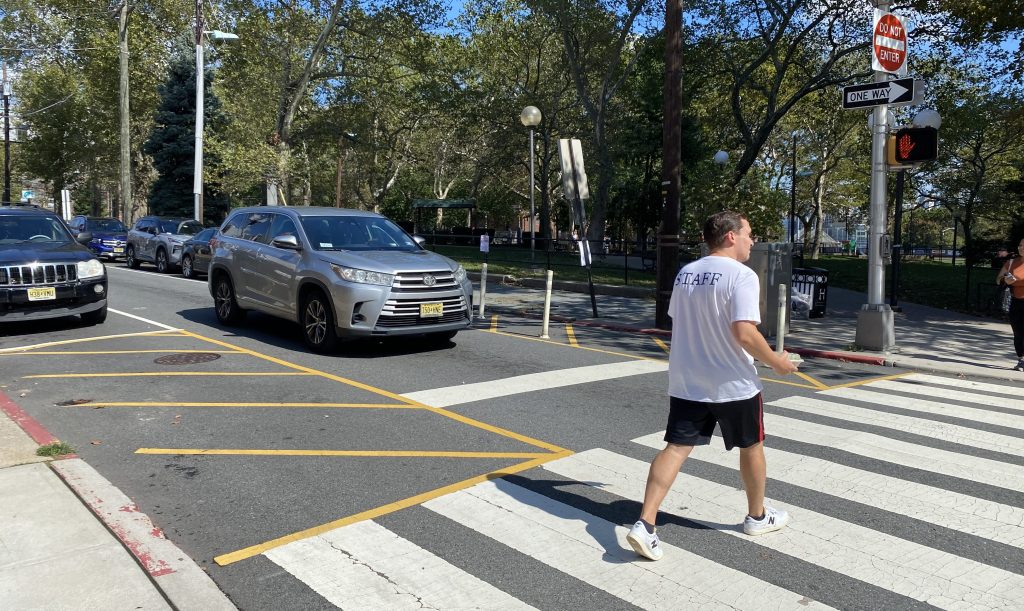
The deaths of Naadhun and Hughes spurred a grassroots campaign that created a substantial base of support for universal daylighting. Supporters included 23 of the city’s usually car-centric community boards, more than 100 politicians and 200 organizations.
Among the lawmakers who signed onto letters of support for universal daylighting was none other than Mamdani when he served in the state Assembly, and he reiterated his support prominently while running for office last year.
A pending bill in the City Council would enshrine universal daylighting into law and require DOT to add hardened daylighting at 1,000 intersections per year — a possibility the agency vehemently opposes and has actively lobbied against. The majority of the Council supports the bill, but its cosponsors have not yet secured a super-majority, so Mamdani could still veto it.
DOT Commissioner Mike Flynn has deferred to his own agency’s position earlier in his tenure this year, and said he will be generally more focused on quantifiable “outcomes” like ridership and safety than the number of interventions DOT implements.
The Council’s Transportation Committee chair, meanwhile, said he trusted the Mamdani administration to focus on safety first.
“I take the administration at its word that ‘better’ in fact means better, and as Transportation Chair, I’ll be there to help make sure these commitments translate into intersections where New Yorkers are demonstrably safer,” Council Member Shaun Abreu (D-West Harlem) told Streetsblog. “What matters is an outcome that provides real, physical safety improvements at these intersections, not paint and signs alone.”
The parking ban is already the law of the state (along with 43 other states), but New York City has long exempted itself in favor of extra parking. The design has boosted safety from Hong Kong to Hoboken, the latter of which has actually achieved Vision Zero by logging no traffic deaths since 2017.
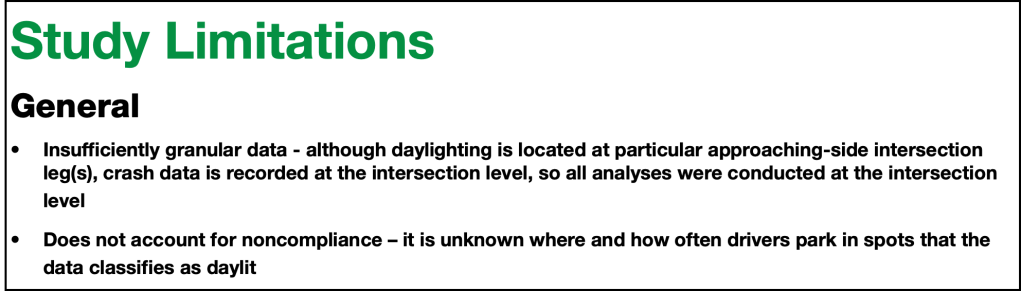
DOT has taken extraordinary measures to defeat the growing push for daylighting. Last year, the agency released a report that questioned the safety benefits of daylighting without hard infrastructure — but the same study admitted that it had “limitations.” An internal Council review eviscerated the study for relying on shoddy data.
The agency also put out questionably steep cost estimates for citywide daylighting, and placated conservative pols with a projected “loss” of hundreds of thousands of parking spots.
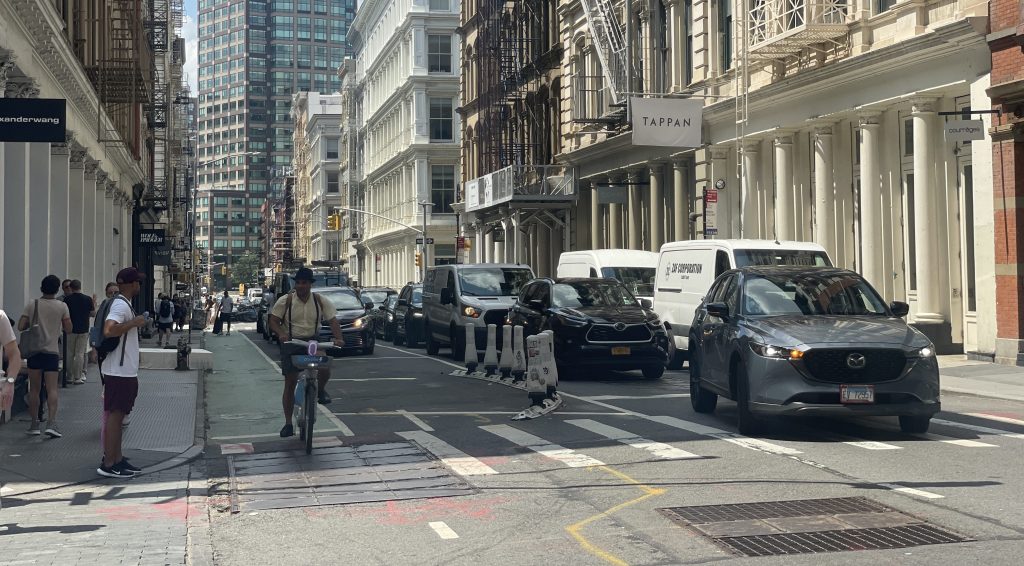
During Mamdani’s Monday press conference, Hizzoner argued that his administration wanted to move beyond daylighting corners with no-parking signs — which drivers routinely ignore — toward building out the corner protections with solid infrastructure like bike racks, planters and granite blocks. But this would merely continue his predecessor’s strategy.
“At the baseline, these will be improvements like physical barriers that protect pedestrians. And in other intersections, they will take the form of larger street designs and significant overhauls,” the mayor said. “Also moving from an approach of daylighting from sign-only to hardened daylighting. The importance of this is that we’ve seen that have the greatest effect and actually creating safety for New Yorkers.”
There are around 40,000 intersections in the Big Apple, so even Adams’s most ambitious plan would have taken as long as four decades to roll out citywide, and the pared-back version would have taken around 320 years. Mamdani’s vision doesn’t even commit to that century-spanning timeline.
The mayor’s has chosen to stick with the status quo at DOT, rather than shake up the agency, Morano said.
“It’s a difficult issue for the mayor to work on because DOT is so entrenched in his position, so he either has to spend a ton of effort and capital rooting out the DOT bureaucrats who have established this position, or he has to work around it,” he added. “There’s so many issues the mayor’s trying to make progress on and he has a limited amount of capital.”

Read More:
Streetsblog has migrated to a new comment system. New commenters can register directly in the comments section of any article. Returning commenters: your previous comments and display name have been preserved, but you'll need to reclaim your account by clicking "Forgot your password?" on the sign-in form, entering your email, and following the verification link to set a new password — this is required because passwords could not be carried over during the migration. For questions, contact tips@streetsblog.org.