Waymo Is Not In The ‘Vision Zero’ Toolbox: Data
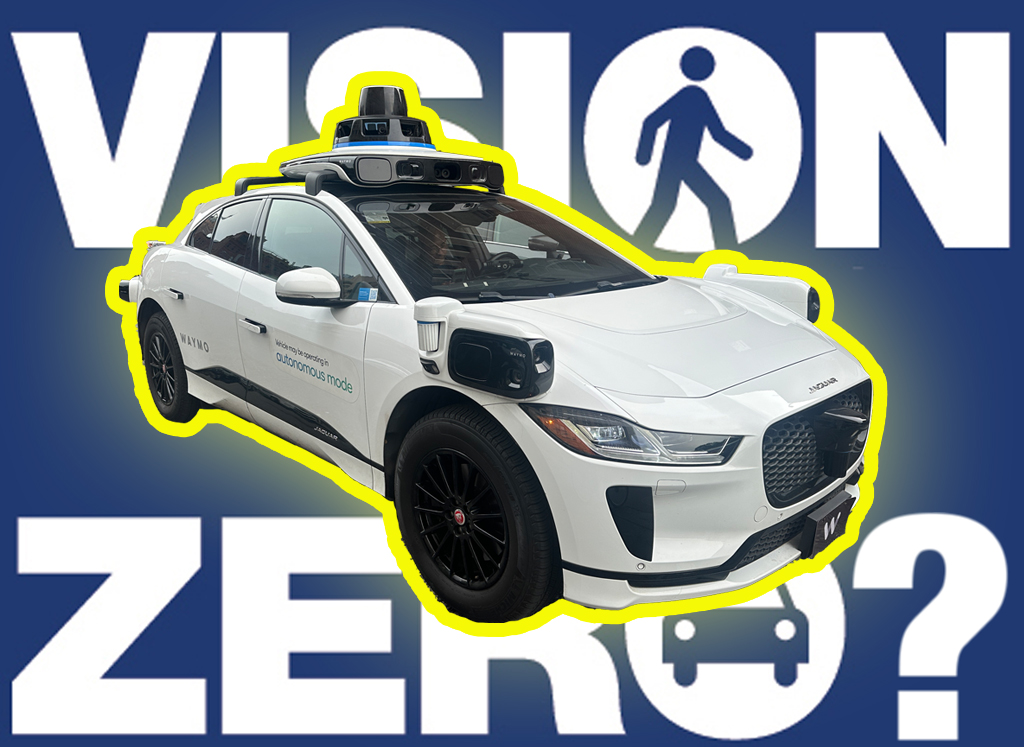
Driverless taxi company Waymo claims to be a tool for safe streets — but at least two of the cities where Waymo operates have not experienced declines in traffic-related injuries and deaths.
In San Francisco, where Waymo began operating in June 2024, traffic injuries actually increased by 2.6 percent from 2,896 in 2023 to 2,907 in 2025, according to data tracked by the city. And crash deaths also rose, albeit by one, from 26 in 2023 to 27 in 2025, a statistically insignificant increase, but nonetheless in the wrong direction for a company that has argued it will make cities safer.
And Phoenix, where Waymo has operated since 2020, remains one of the most dangerous places to be a pedestrian in the country: In 2019, 80 pedestrians died in crashes there; by 2023, that number increased to 109, a 36.3-percent increase.
Waymo has released company data that shows its vehicles are involved in 92-percent fewer injury-causing crashes than human drivers, but those vehicles have not replaced the dangerous motor vehicle trips. Streetsblog asked a top Waymo official whether Waymo has helped any of the cities it operates in to get closer to Vision Zero, the goal of eliminating death and serious injury on the streets. He said the company wants to get people out of their personal cars and into Waymos.
“If we can get more folks off all the roads and their personal vehicles and use the safer service which our stats show, at least in our service in the cities where we operate, we are contributing to less crashes,” Anthony Perez, Waymo’s northeast policy manager, told Streetsblog at the Future of Transportation conference hosted by Roosevelt House Public Policy Institute at Hunter College last week. “What we’re looking at is the cities where we’ve operated, the miles that we’ve traveled, and compared that to federal data on standard driving, or the average driver in those cities.”
Perez’s answer reveals a contradiction in Waymo’s central promise to cities. In order for Waymo to be a tool for safety, self-driving taxis would have to replace personal car trips at a large scale. But Waymo didn’t provide any proof that the company is getting people out of their personal cars. And data from at least two cities where Waymo has been operating tells a different story.
In San Francisco, total vehicle miles traveled have gone up, and Waymo could be part of the problem, the city’s latest congestion management report claims.
“Ride-hailing was responsible for approximately 50 percent of the increase in congestion between 2010 and 2016,” the report reads. “As autonomous vehicles scale up and become more widely deployed, it is reasonable to expect that AV ride-hail services may similarly be generating vehicle miles traveled on San Francisco’s roadways and contributing to congestion in San Francisco.”
The more likely outcome, experts say, is that Waymo and other self-driving taxi services, would divert New Yorkers from using public transit, which remains the safest transportation option. Public transportation is 95 percent safer than vehicles, and it requires no new technology. Those who want to see safer streets should force Waymo to address the amount of miles it will add to a city’s overall VMT, another expert said at the Roosevelt House conference.
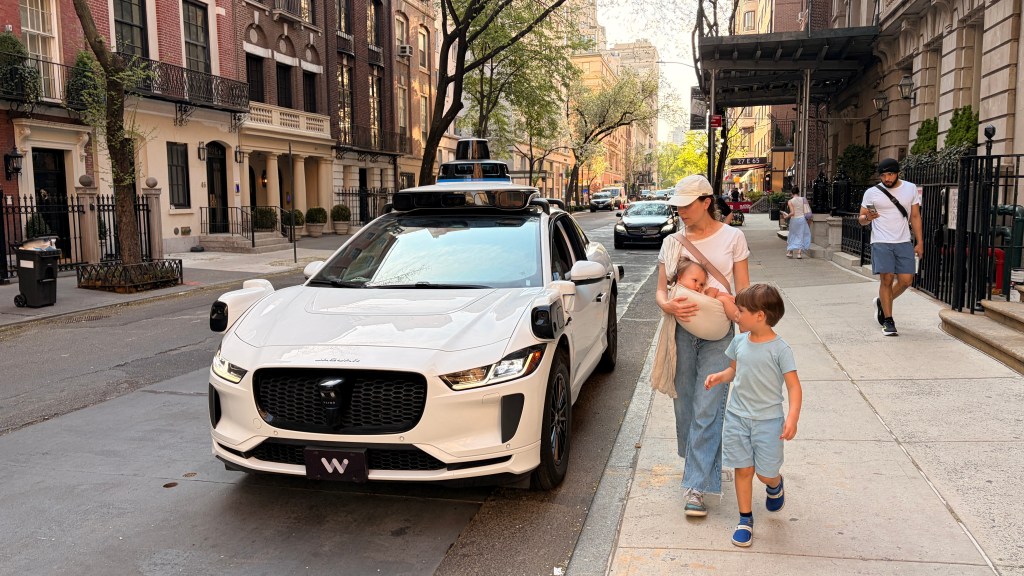
“We shouldn’t be asking only like, ‘Hey, are robotaxis safer than humans on a per-mile-driven basis?’ because there’s a real risk that AVs induce people to take a lot more car trips or to replace transit,” said David Zipper, a reporter for Bloomberg whose work questions the assumption of AV safety. “We could end up with a lot more driving. And even if every individual, self-driven mile is safer, if you have that much more driving, you have more crashes overall.”
For more than a century, car companies have blamed human errors for the ramifications of their dangerous products. Companies like Waymo offer a similar narrative today when they tout studies that show automated vehicles are safer than human drivers. The suggestion is that robotaxis will make streets safer, but the data doesn’t show citywide benefits.
And Waymos do engage in dangerous driving behavior. In Austin and Atlanta, Waymos have been observed illegally passing stopped school buses. The company said it would go through a voluntary software recall with the National Highway Traffic Safety Administration after the incidents in December. But even after a software update, the cars continued to pass school buses illegally. (Waymo refused to halt operations around schools.)
In San Francisco, the vehicles often pull into bike lanes to pick up and drop off passengers — because that’s what they’re programmed to do, according to advocates who’ve asked the company for an explanation.
Waymo has told advocates that expecting it to respect bike lanes is “too high a bar” because customers expect to be dropped off in them, said Christopher White, executive director of the San Francisco Bicycle Coalition.
“People always point out that unlike human driven cars, the AVs stop at lights and obey the speed limit. However, they are really only as good and effective and safe as they are programmed to be,” White said. “Waymos pull over into bike lanes all the time for pickups and drop-offs and that’s neither legal nor safe but the companies say that is a normal practice and that’s what customers expect.”
One cyclist in the City by the Bay is suing Waymo for driving into a bike lane to drop off a passenger who subsequently doored the cyclist. And in Austin and Atlanta, Waymos keep mysteriously passing school bus stop arms as kids disembark.
“When you make a big change to software, you might find new problems. And that’s not hypothetical,” said Phil Koopman, a Carnegie Mellon researcher who writes about AV safety on Substack. “The problem is not that they’re actively dangerous, because we don’t know that. The problem is that they want a social license to break rules in dangerous ways based on an aspirational promise that maybe someday they’ll save lives.”

Read More:
Streetsblog has migrated to a new comment system. New commenters can register directly in the comments section of any article. Returning commenters: your previous comments and display name have been preserved, but you'll need to reclaim your account by clicking "Forgot your password?" on the sign-in form, entering your email, and following the verification link to set a new password — this is required because passwords could not be carried over during the migration. For questions, contact tips@streetsblog.org.