NYC Pols To DOT: We Want More — And Better — Summer Streets!
What’s wrong with more of a good thing?
The city Department of Transportation should increase the hours and connectivity of the city’s limited Summer Streets program, more than two dozen current and former elected officials across all levels of government told the agency this week.
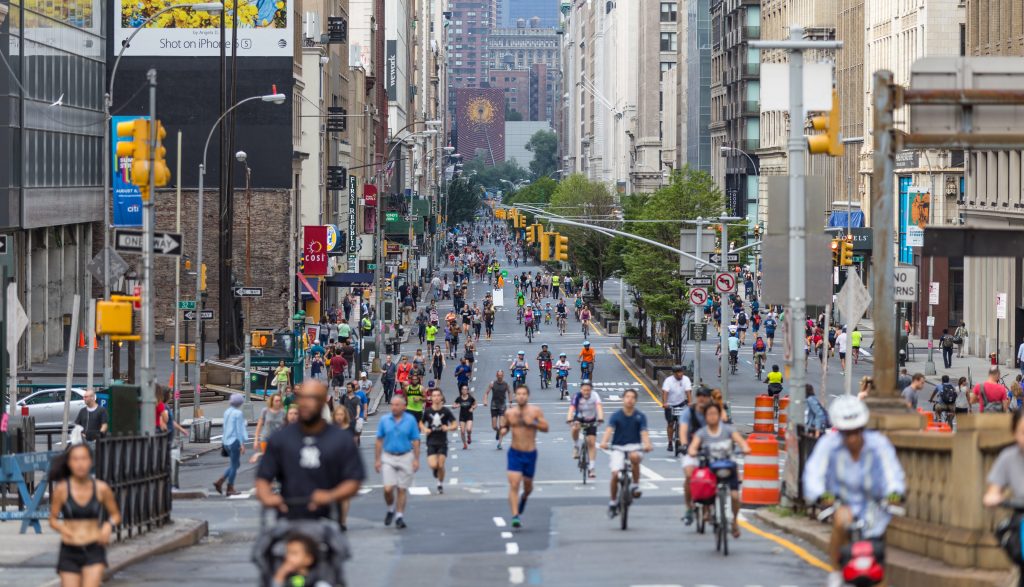
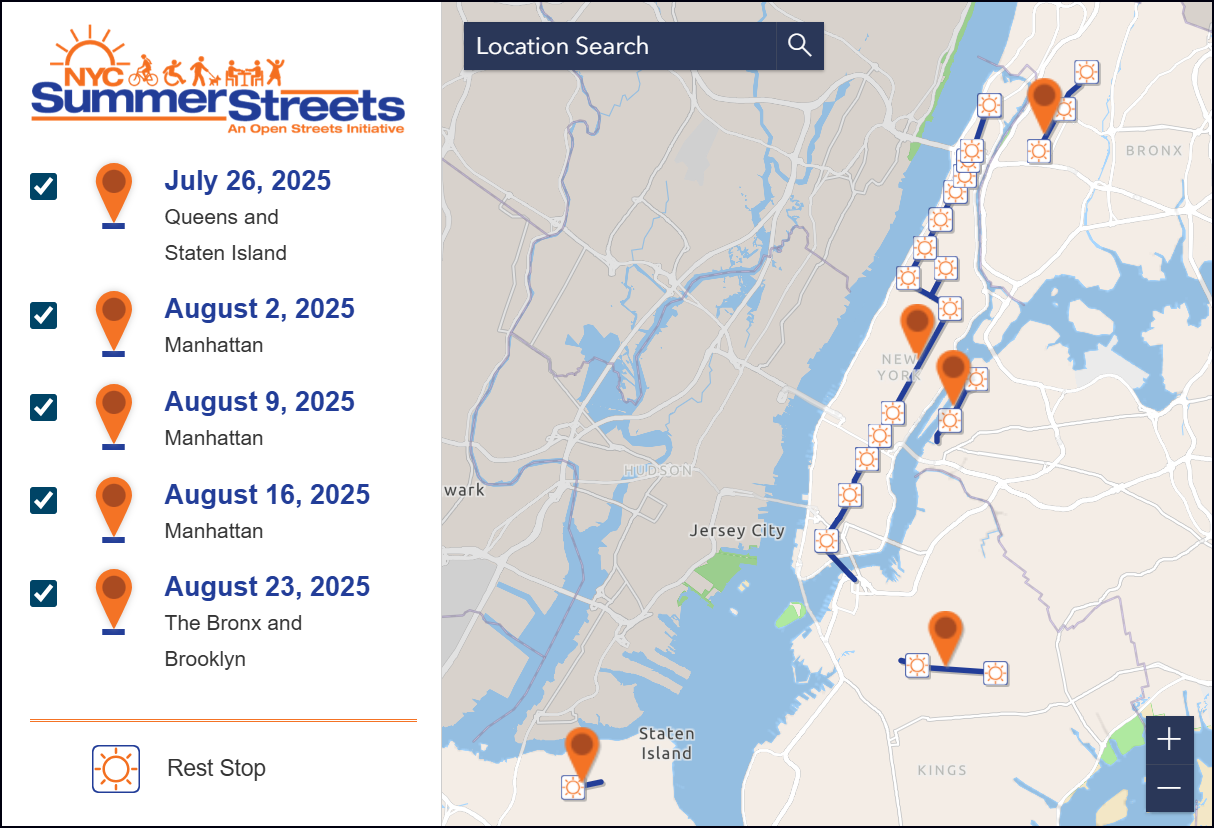
Currently, the hugely popular program operates on only a few Saturdays in July and August on separate days in separate boroughs, lasts just eight hours a day and doesn’t form an interconnected web of car-free streets throughout the whole city.
But increasing the number of days would allow more New Yorkers to participate, while creating a connected network of car-free streets would “bring communities together, helping residents experience the city in a healthier, more sustainable, and more equitable way,” the letter states.
Politicians from every borough, including Brooklyn Borough President Antonio Reynoso, Queens Beep Donovan Richards, City Council Speaker Julie Menin, Rep. Jerry Nadler and 25 more Council members, borough presidents, state senators and members of the Assembly, signed the letter.
Summer Streets, first implemented in 2008, closes off stretches of streets either fully to cars or limits car traffic to local vehicle access. The program expanded to all five boroughs for the first time in 2023, and in 2025, the Manhattan car-free corridor basically stretched the entire island, from the Brooklyn Bridge to Inwood.
But elected officials want more streets reclaimed from cars and they don’t want the liberated streets severed by roads filled with dangerous car traffic.
“Summer Streets has already demonstrated measurable public benefits: reduced emissions, safer streets, improved public health outcomes, and stronger community ties,” the electeds’ letter states. “We urge the DOT to seize this opportunity to make Summer Streets a cornerstone of New York City’s identity, a summer-long celebration of public space that reflects the vibrancy, diversity, and creativity of our communities.”
Mayor Mamdani and DOT Commissioner Mike Flynn have said they want to make New York City’s streets “the envy of the world,” but residents of foreign lands don’t need to covet what we do in New York City, given their far more expansive efforts to return public space to the people. The Paris Plage annually transforms an expressway for cars along the Seine into an urban beach. And Bogotá, Colombia, is famous for its Ciclovía, which bars cars from more than 60 miles of streets every Sunday all year.
Repeat: Every Sunday. All year.
The letter excited advocates as they hope the new administration will help New York City catch up to its global peers.
“We’re just excited about any sort of movement from City Hall and from DOT to reclaim space from cars, reclaim space from parking and give it back to New Yorkers,” said Alexa Sledge, communications director at Transportation Alternatives.
Sledge called the Summer Streets program an “if you build it, they will come situation.”
“Once we make these improvements in different parts of our city, people don’t know how they lived without it,” she said. “When we create an open plaza, when we create a bike lane, when we create a safer intersection, those things are really popular once they’re actually in the ground.”
Jackson Chabot, the advocacy director of Open Plans, Streetsblog’s parent organization, was similarly excited about the letter and said now is the time for big change.
“I appreciate all of the elected officials for being willing to say, ‘We are ready for the next big thing,’” Chabot said. “We don’t have to move with incrementalism anymore. We can do something huge.”
DOT spokesman Vin Barone told Streetsblog that the agency appreciates “the support from elected officials for pedestrian- and cyclist-centered streets” and looks forward to working with them.
“We’re discussing exciting new ideas for Summer Streets this year and in the years ahead and look forward to sharing more soon,” Barone said.
Correction: An earlier version suggested that no elected from Staten Island signed the letter, but, in fact, Assembly Member Charles Fall is on the letter!

Read More:
Streetsblog has migrated to a new comment system. New commenters can register directly in the comments section of any article. Returning commenters: your previous comments and display name have been preserved, but you'll need to reclaim your account by clicking "Forgot your password?" on the sign-in form, entering your email, and following the verification link to set a new password — this is required because passwords could not be carried over during the migration. For questions, contact tips@streetsblog.org.