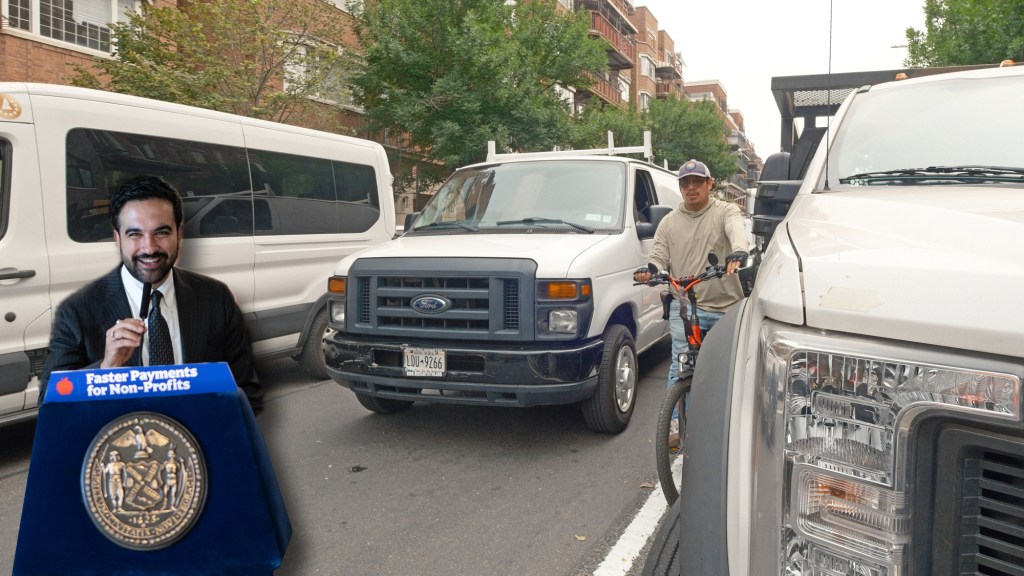
Mamdani’s DOT Endorses Adams’s ‘Unacceptable’ Opposition To Universal Daylighting, Stunning Abreu
Mayor Mamdani’s Department of Transportation is standing by a repudiated and flawed Adams administration study of the efficacy of daylighting, stunning the Council’s leading voice on transportation and enraging activists who have fought for the life-saving street safety measure.
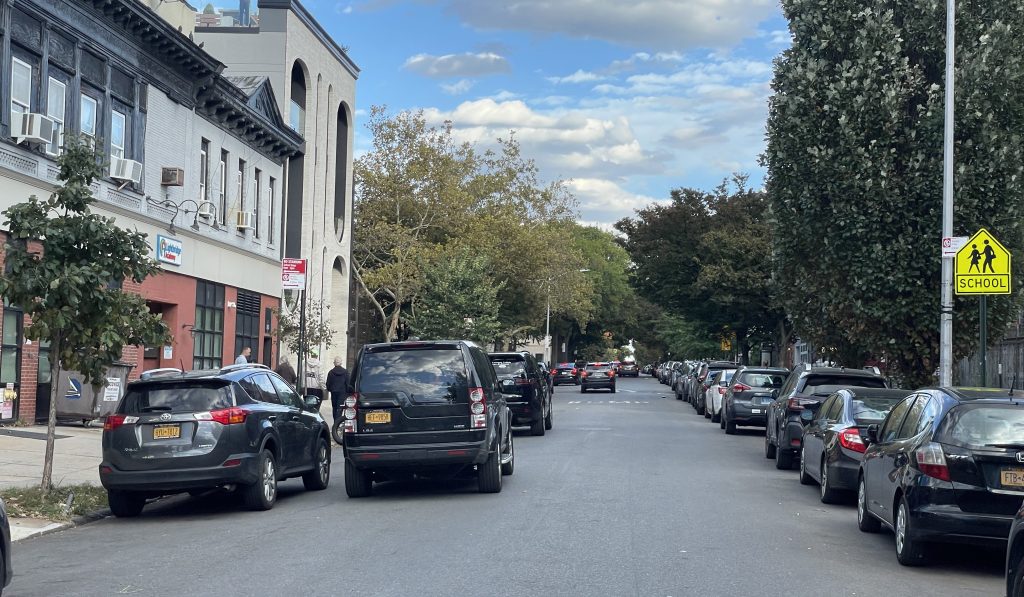
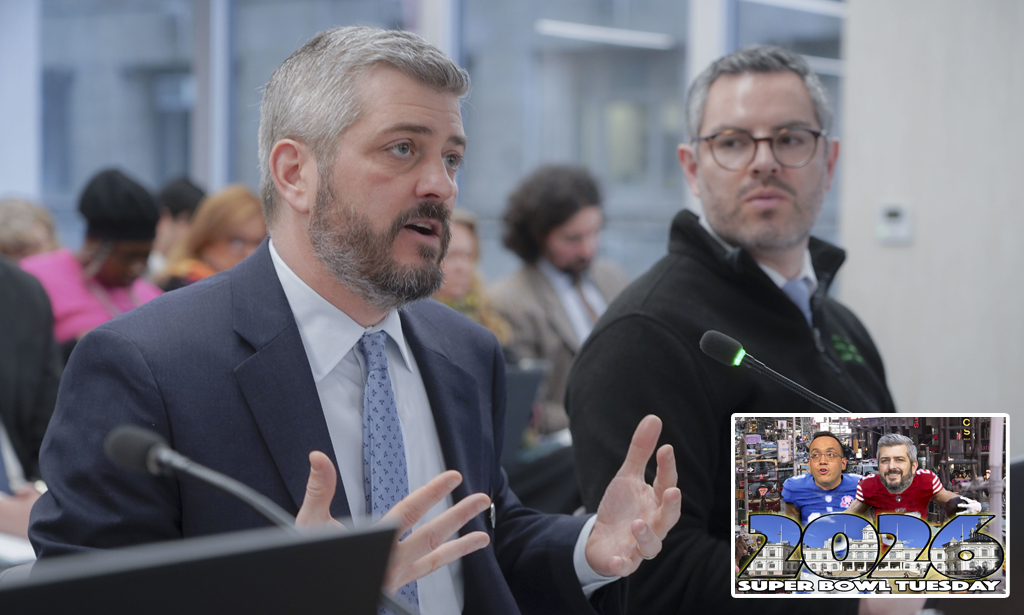
At the hotly anticipated “Super Bowl Tuesday” hearing, Transportation Committee Chairman Shaun Abreu pivoted from the agency’s failure to carry out the Streets Master Plan law to ask whether the new DOT leadership agrees with the old DOT’s position that daylighting without some sort of planter or other barricade makes corners less safe, even though the removal of a parking space creates more visibility for drivers to see pedestrians.
“I support daylighting and a vast majority of Council members were supportive of daylighting [under a 2025 bill],” Abreu said, kicking off one of the most heated exchanges of the six-hour hearing. “The previous administration suggested unhardened daylighting is more dangerous than no daylighting at all? Is that correct?”
DOT Commissioner Mike Flynn, a Mamdani appointee, said it was.
“So is that your position?” Abreu said.
“Yes,” said DOT Deputy Commissioner for Transportation Planning and Management Eric Beaton, jumping in.
“And that is still your position?” Abreu said.
“Yes,” Beaton reiterated, but soft. Abreu didn’t let that answer just sit there.
“So for the record, the administration believes that unhardened daylighting is more dangerous than no daylighting at all,” he said, gesturing to the overflow crowd. “I think there’s a lot of skepticism in this room about that.”
At issue is a daylighting report issued in early 2025 by DOT just as a Council bill to mandate universal daylighting was gathering momentum towards winning a majority of members. The report claimed that daylighting without also adding objects such as bike racks in the newly cleared area made pedestrians less safe because drivers could speed up and cut the corner.
The report was pilloried by activists who have spent years trying to get city officials to stop exempting itself from state law, which bars parking at corners but allows New York City to opt out.
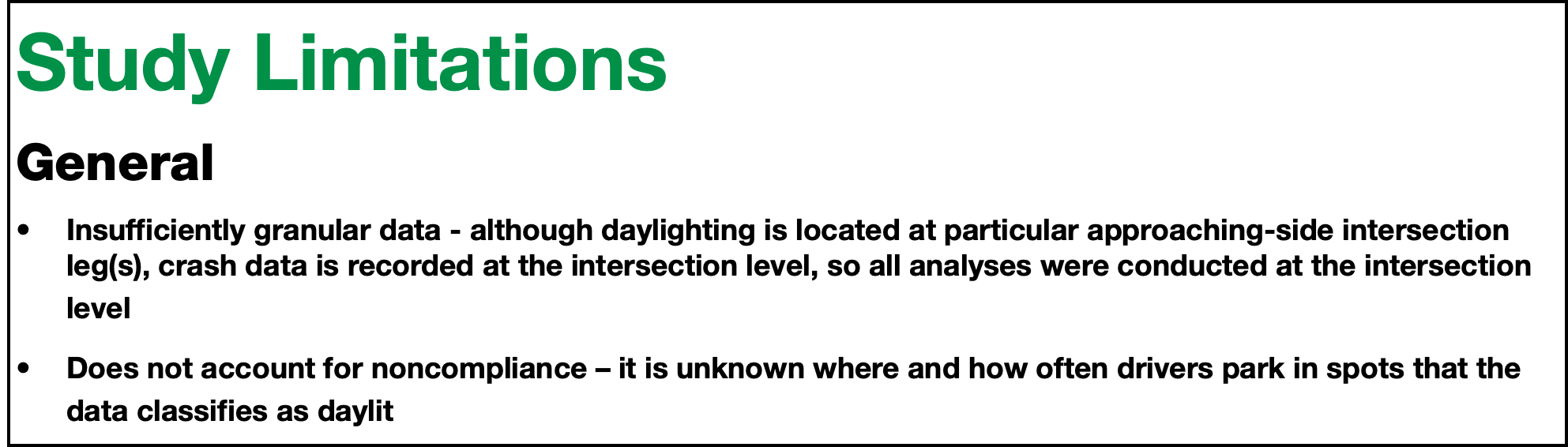
The report itself admitted that its methodology was questionable because it examined crash reports from intersections, yet analysts could not know which of an intersections four corners the crash occurred at — nor could they know after the fact if a daylighted corner had been blocked or not blocked at the time of the crash.
The flaws in the report were indeed noted in the report:
Council staffers later criticized the report, arguing that they could find “no statistically significant association” between the DOT’s daylighting data and increased crash injuries. A summary of their findings obtained by Streetsblog but never released to the public, also accused the agency of skewing its results by lumping in danger spots and locations without any daylighting.
At Tuesday’s hearing, Abreu’s eyebrow rose higher than a flapper’s hemline when Flynn said — wrongly — that the Council “had looked at our study and hadn’t found issues with it.”
“Did you say, ‘Hadn’t found issues with’?” Abreu interrupted. “We raised skepticism.”
Beaton again jumped in and reiterated what Flynn said, arguing that the Council study also found flaws with unhardened daylighting, but Abreu decided to move on. “I’ll let the advocates come after you guys on that,” he said.
The “advocates” came after Flynn before the hearing was even done. John Surico, who helps run the 31st Avenue open street in Queens, posted quickly to Twitter to point out that the current DOT position is in opposition to Mayor Mamdani’s longtime support for universal daylighting.
Fellow street safety advocate Kevin LaCherra called the DOT’s Super Bowl Tuesday comments “tremendously disappointing.”
“It’s confusing that Zohran’s DOT is adopting the universal daylighting policy of Eric Adams,” he said. “Twenty-three Community Boards and over 200 groups and 100 elected officials are asking for visibility at crosswalks that will save lives, and the mayor promised those New Yorkers that he would deliver. This is totally and completely unacceptable.”
The DOT position is, indeed, confusing, as LaCherra put it, because one of daylighting’s greatest champions is now mayor. As a mayoral candidate, then-Assembly Member Zohran Mamdani supported daylighting, becoming increasingly vocal in 2023 after a driver killed 7-year-old Dolma Naadhun at an undaylighted Astoria intersection. That same year, he signed onto a letter specifically calling for “universal” daylighting.
And he reiterated that position at a mayoral forum on street safety in February 2025: “We deserve to have universal daylighting, and furthermore, we deserve that the vast majority of that daylighting be hard daylighting,” a reference to infrastructure such as bike racks or boulders that keep drivers out of “no parking” zones.
“I have stood there at a vigil for Dolma … who lost her life as she crossed the street and a driver blew through that crosswalk, and now there’s daylighting there, but we’ve already lost her.”
And in a MicromobilityNYC “Ask Me Anything” session before the general election that he would lay out a schedule for universal daylighting with physical protection to keep out illegally parked cars “at every intersection in the city.”
He also signed on to a bill in the state legislature to end New York City’s exemption from state daylighting law.
Daylighting is a popular safety strategy used the world over, and, closer to home, has bipartisan support. When he hired Mike Flynn, Mayor Mamdani said he wanted his DOT to create “streets that are the envy of the world.”
Correction: An earlier version of this story misattributed a Flynn quote to Beaton because of audio difficulties. The same audio garbled something else that Beaton said. This version fixes that.

Read More:
Streetsblog has migrated to a new comment system. New commenters can register directly in the comments section of any article. Returning commenters: your previous comments and display name have been preserved, but you'll need to reclaim your account by clicking "Forgot your password?" on the sign-in form, entering your email, and following the verification link to set a new password — this is required because passwords could not be carried over during the migration. For questions, contact tips@streetsblog.org.