World Day of Remembrance: ‘My Brother Did Not Die in Vain’

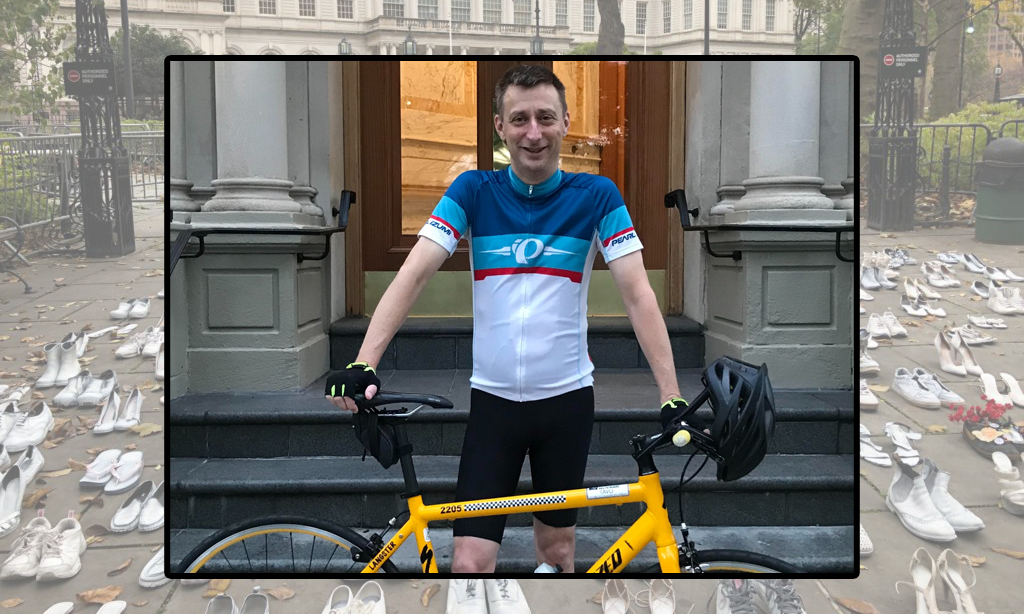
Kevin Cruickshank was always in motion. I remember him skateboarding in our living room, to our downstairs neighbors’ despair. We rollerbladed across the Golden Gate Bridge. We covered every inch of our New England city in our ten-speed bikes, until our faces burned red from the cold. He believed deeply in sharing the road.
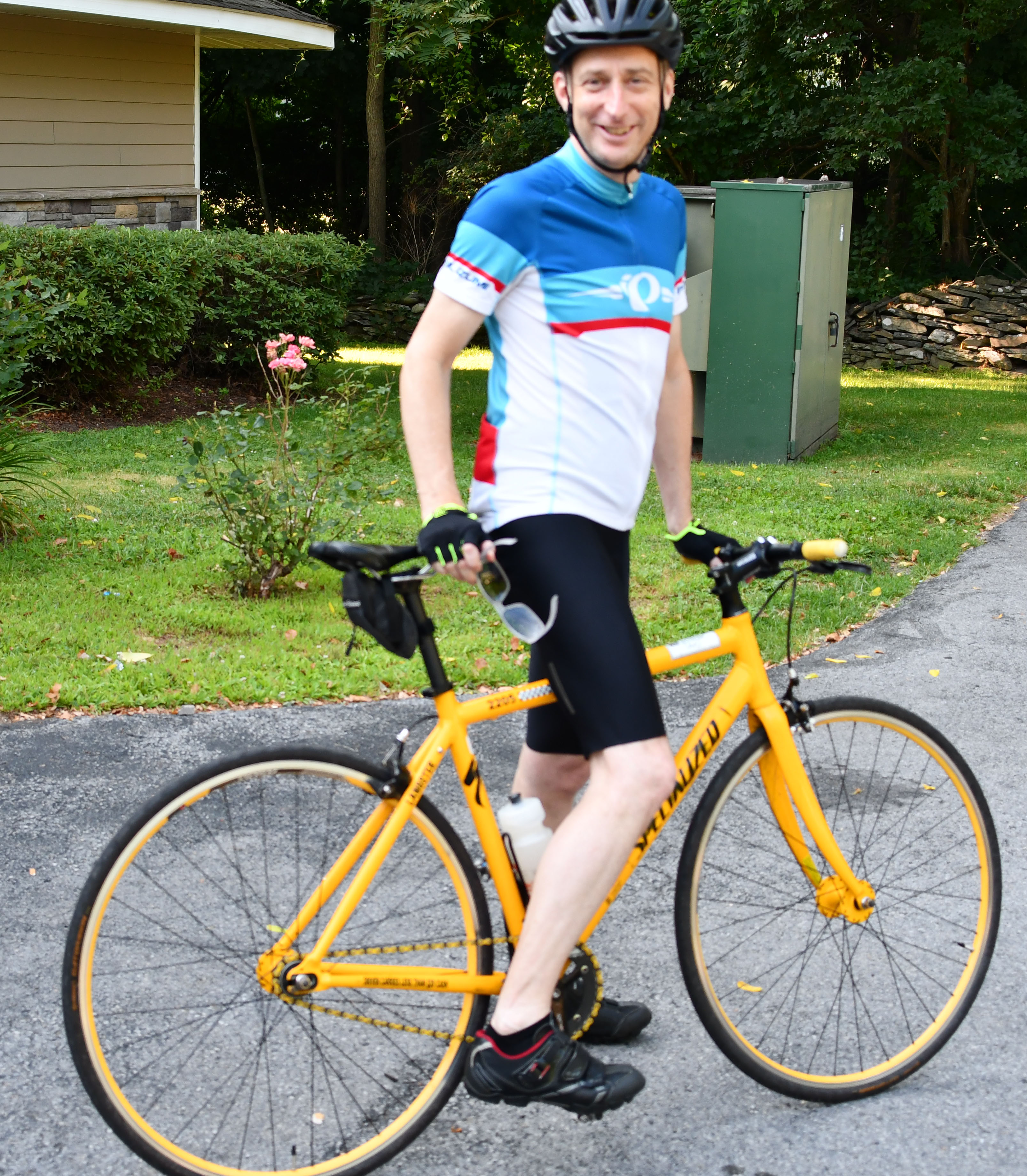
“We’re all pedestrians,” he would say.
My brother didn’t just move through the world. He made space for others to move safely, too. He cleared overgrown shrubs so neighbors with strollers could pass safely, organized scooter clubs to promote visibility, and scheduled park cleanups. Kevin had a gift for building community wherever wheels met pavement.
On the morning of July 19, Kevin biked from his home in Morningside Heights all the way to Chinatown, to practice for the New York City Century Bike Ride, an annual event hosted by Transportation Alternatives. He was at the intersection of Canal and Bowery, at the foot of the Manhattan Bridge, when a drunk driver in a stolen Chevrolet Malibu killed him and another woman, May Kwok. The driver had been going more than 100 mph in a 25 mph zone.
After my brother’s funeral in New York City, I met Annie Goldner, who lost her son in a crash. “We’re a club no one asks to join,” she told me gently. Her strength helped me see that pain could be transformed into purpose. Annie told me about her experience with Families for Safe Streets, a grassroots organization of families who have lost loved ones to, or been injured by, traffic violence.
I had never really thought about street safety. But knowing there was a community like this gave me hope and a new horizon. It didn’t erase the ache, but it provided direction. A few months after Kevin died, I helped arrange a meal train for a coworker who injured his neck after a vehicle struck him while he was cycling. I left an invitation to the World Day of Remembrance, because no one should face this kind of tragedy alone. I think it’s what my brother would have done.
Nothing in this world can replace Kevin. But there are versions of him I’ve gotten to meet — through the people he loved, the neighbors he helped, the advocates who speak his name in the rooms where decisions are made. That is one small consolation: getting to know him all over again through the eyes of others — and fighting for the future he believed in.

Read More:
Streetsblog has migrated to a new comment system. New commenters can register directly in the comments section of any article. Returning commenters: your previous comments and display name have been preserved, but you'll need to reclaim your account by clicking "Forgot your password?" on the sign-in form, entering your email, and following the verification link to set a new password — this is required because passwords could not be carried over during the migration. For questions, contact tips@streetsblog.org.