Mythbusting: Don’t Assume Orthodox Jews Only Drive — We Want Bike Lanes, Too
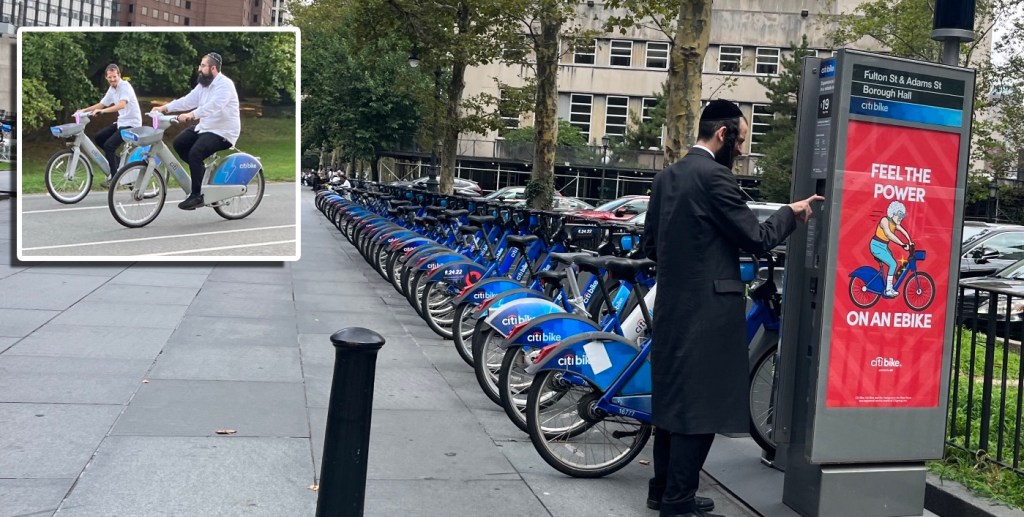
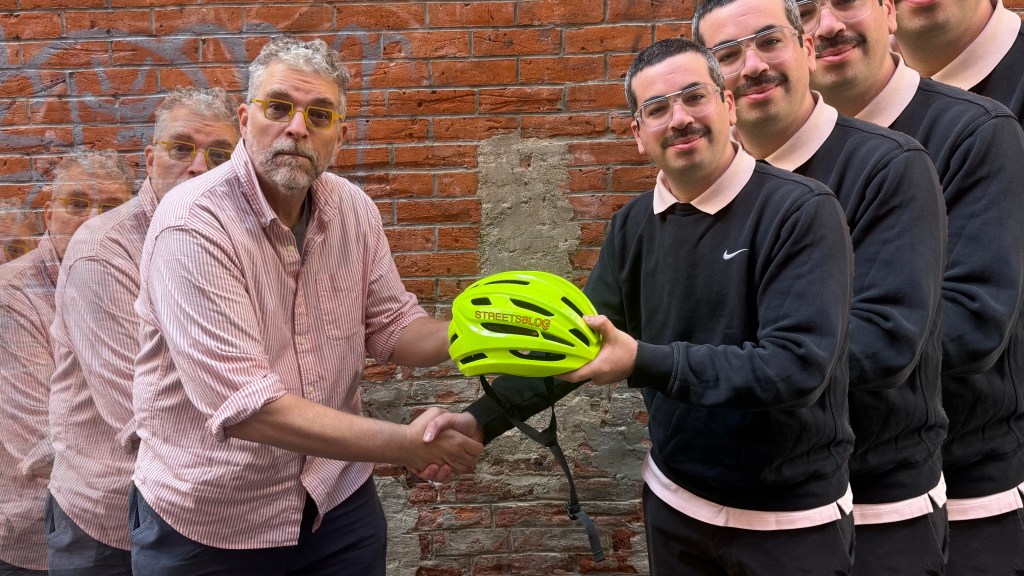
We are a father and son from an Orthodox Jewish family who bike to get around Brooklyn, and we aren’t the only ones. City planners, however, too often choose not to build bike lanes in certain places under the false mindset that members of our community do not ride bikes.
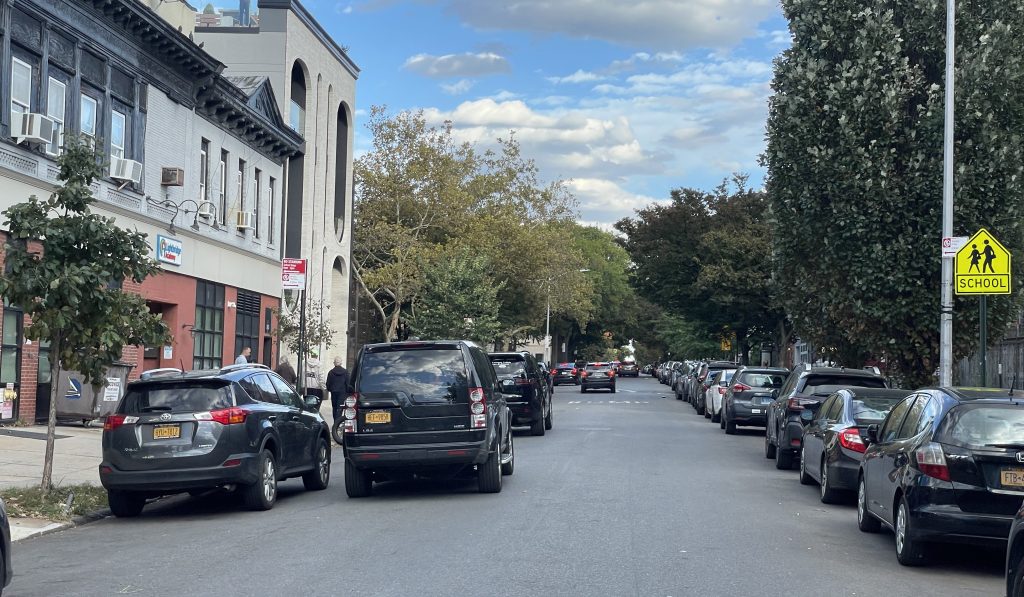
Take the Department of Transportation’s plan to add bike lanes on Brooklyn Avenue and Kingston Avenue, south of Eastern Parkway: The proposal stops at Empire Boulevard, creating a 10-block gap in the bike lane network before the bike lanes pick up again north of Eastern Parkway.
DOT’s rationale for leaving Kingston and Brooklyn avenues untouched in the heart of Hasidic Crown Heights likely comes from the mistaken belief that Orthodox Jews don’t bike (or the correct belief that their leadership don’t like bike lanes). And while it’s true that many activists from our community prefer streets designed for car drivers, data and experience show Hasidic Jews bike and use micro-mobility as much as any New Yorkers.
Rafe, who is 12 years old, has been biking from our home in Crown Heights to his Yeshiva day school in Prospect Heights, by himself, for the last three school years. He is the only student in the school who bikes alone, even though almost all the students live within biking distance to the school. Most of his peers take a big yellow school bus that can take an hour to pick everyone up and arrive at their destination. Most parents are just too nervous about sending their kids on bikes to school in Brooklyn car traffic. Plenty of his peers do use bikes to get to school — only with their parents doing the pedaling.
The new protected bike lane on Bedford Avenue, which Rafe takes to get to his after-school, may encourage more students and families to bike. The bike lane is the gold standard of what New York City bike lanes should look like — Bedford Avenue used to feel like a highway, now it almost feels like biking in a park.
DOT’s decision to deprive south Crown Heights of this type of redesign is embarrassing and dangerous. The assumption that Orthodox Jews in general, and the Lubavitchers of Crown Heights in particular, do not bike is dated and not based on reality. Get some rugelach at Gumbo’s at Kingston Avenue and President Street and look outside: You will see this community rides bikes, both kids for fun and adults for transportation.
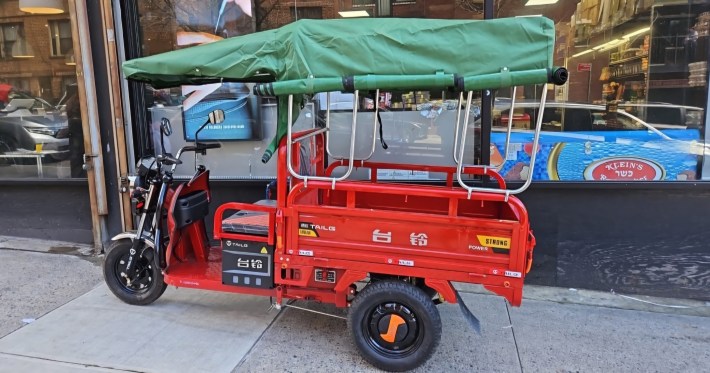
Jews who come to Crown Heights from all over the world, often for short periods of time to study in the neighborhood’s famed yeshivas, rely on bikes and scooters to get around. In fact, we see more deliveries by electric cargo bikes in the Orthodox Jewish Communities of Boro Park, Williamsburg and Crown Heights than anywhere else in the city. Every kosher grocery store has one or more electric cargo bikes parked in front. They are the cutting edge of rabbinic supervision, naturally, but also of technology, sustainability and e-mobility.
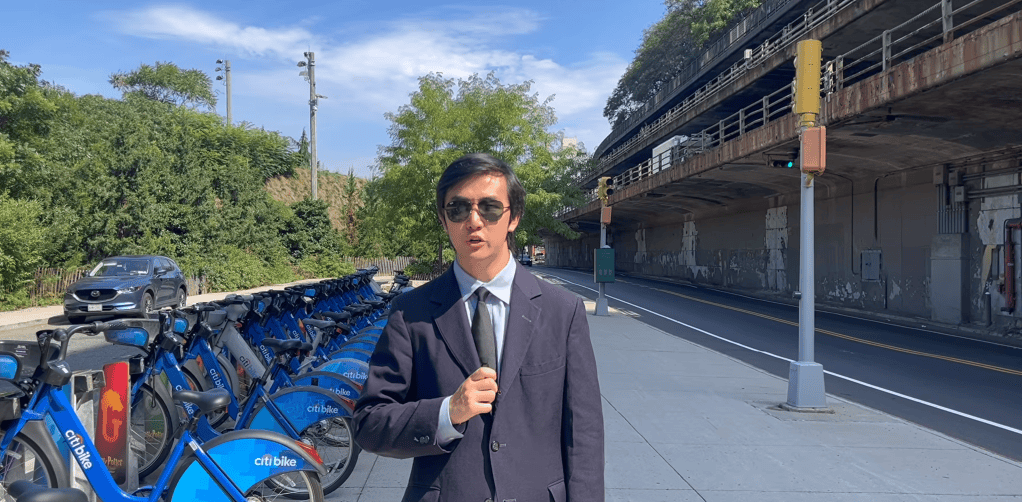
For years the city avoided placing Citi Bike stations in Hasidic parts of Crown Heights and Williamsburg, a policy that fortunately has been reversed. The data indicate that these new Citi Bike stations are as heavily used as any other docking station in the city. The station near the Chabad movement’s headquarters at 770 Eastern Pkwy., for example, is one of the busiest in Crown Heights — 159 trips per day started or ended at the station in September.
There is a Talmudic idiom, “Tefasta merube lo tefasta,” which basically translates as, “Don’t ask for too much at once.” Don’t ask for both an extension of the Brooklyn Avenue bike lane from Eastern Parkway to Empire, or to extend the Bedford Avenue bike lane from Flushing Avenue through the Satmar Jewish community all the way to the bridge. But is it really too much to ask for? The tide is turning and the time is right.
We see Ultra-Orthodox Jewish bike riders everywhere in Brooklyn. It’s not just Eastern Parkway — everyone rides! From Ocean Parkway to Fort Hamilton Parkway and all along the greenways, tzitzis are flying. I see Satmar Hasidim on $15,000 road bikes in Prospect Park and they invite me to ride in their cycling groups to Bear Mountain on Sundays — a 70-mile trip. One Satmar friend sent me a video of him getting hit by a car driver on Bedford Avenue. Fortunately, he was only bruised.
There is a benevolent society called Chaverim in Williamsburg that rides around on cute electric tricycles that you see parked on Wallabout Street. I know a 75-year old Hasidic man who has a little electric golf car-type vehicle that he uses to go to the nightly weddings he attends throughout Boro Park with his wife. It’s not just Rafe — Yeshiva Kids in Midwood and Kensington also ride their bikes to class.
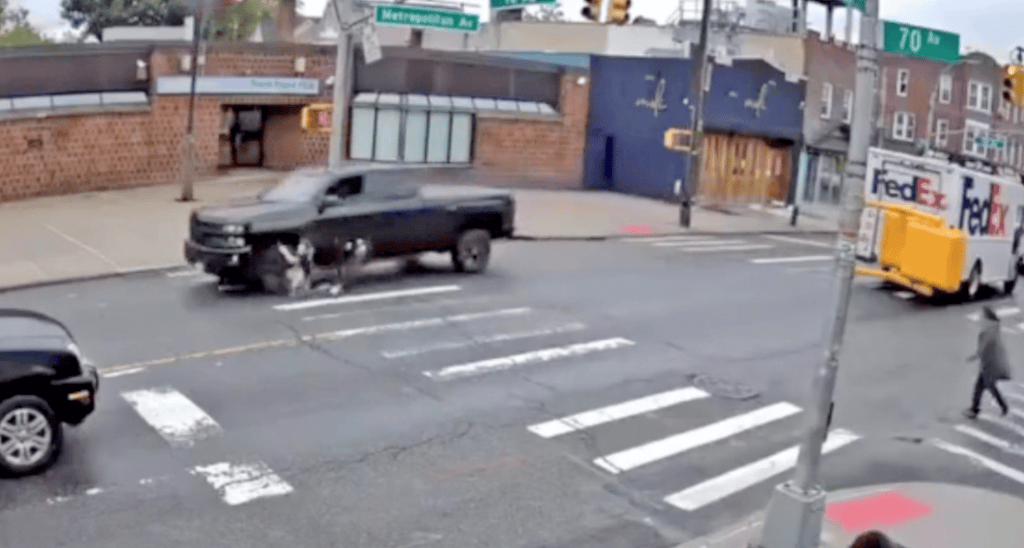
The traffic in Williamsburg and Boro Park is some of the worst in the city. The people who live in these communities need safe bike infrastructure to get around, and the people who ride through them shouldn’t have to risk their lives because of anachronistic transportation policy that no longer reflects the changing reality of New York City streets or cycling in the Hasidic community.
It’s time for the DOT to connect bike lanes through all communities to make everyone safer.

Read More:
Streetsblog has migrated to a new comment system. New commenters can register directly in the comments section of any article. Returning commenters: your previous comments and display name have been preserved, but you'll need to reclaim your account by clicking "Forgot your password?" on the sign-in form, entering your email, and following the verification link to set a new password — this is required because passwords could not be carried over during the migration. For questions, contact tips@streetsblog.org.