SEE IT: 30 Minutes on Second Avenue Make the Case for Wider Bike Lanes
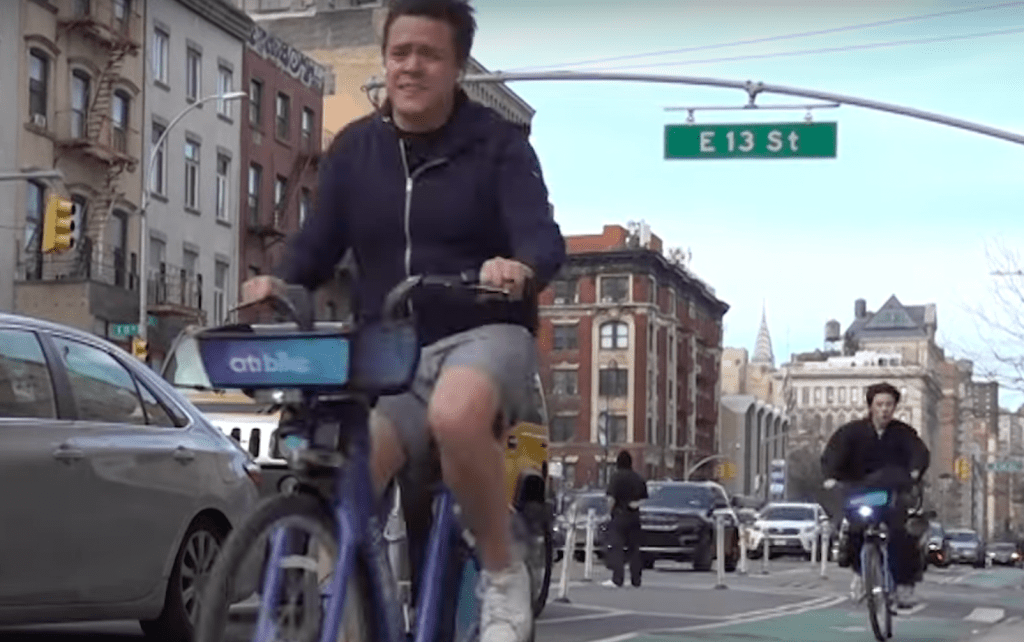
The number of bikes and micro-mobility devices on Second Avenue is catching up to the number of cars and trucks, according to Clarence Eckerson’s latest Streetfilm — even though there’s just one designated bike lane on the strip compared to three moving lanes, plus one parking lane, for private vehicles.
Eckerson counted 321 micro-mobility devices on Second Avenue just south of E. 13th Street on a recent Monday from 5 to 5:30 p.m. — and around 550 cars in the adjacent travel lanes.
Both figures exceeded what Eckerson recorded at a nearby intersection in 2021, when he counted 171 bikes and 323 autos.
Watch the new video here:
The steady stream in the bike lane reveals the pent-up demand — and raises the question of why cars get three times the space despite comprising just 1.7 times more traffic during rush hour.
Eckerson has previously counted vehicles in 2021 on Kent Avenue in Williamsburg and on First Avenue, Second Avenue’s northbound counterpart. On Kent Avenue, he counted a 1:1 ratio between cars and small devices, yet a similar misallocation of public space in favor of drivers.
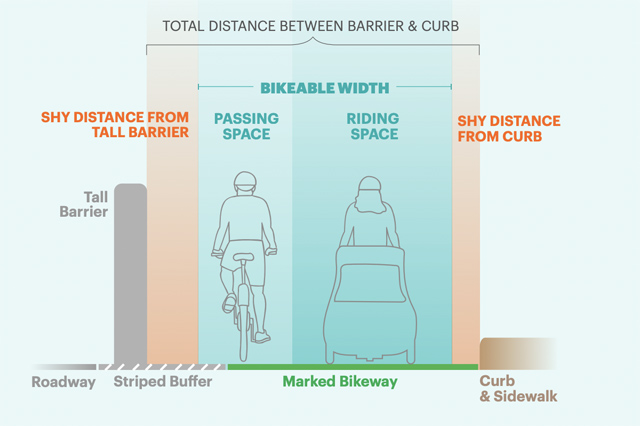
City transportation officials last month announced plans to “explore” wider bike lane designs to make room for cyclists to pass one another.
The first such design rolled out last week on Ninth Avenue in Midtown, but the Department of Transportation did not actually expand the amount of room for bikes there. Instead, the agency repurposed buffer space that had been on either side of the bike lane.
A report released in February by the National Association of City Transportation Officials laid out design guidelines for bike paths in the era of many micro-mobility devices — recommending wider lanes as well as “maneuverable space at intersections” and signage that “makes the best place to ride obvious.”

Read More:
Streetsblog has migrated to a new comment system. New commenters can register directly in the comments section of any article. Returning commenters: your previous comments and display name have been preserved, but you'll need to reclaim your account by clicking "Forgot your password?" on the sign-in form, entering your email, and following the verification link to set a new password — this is required because passwords could not be carried over during the migration. For questions, contact tips@streetsblog.org.