YES IN OUR BACKYARD: New Yorkers Widely Support Parking Reform, Density Near Transit
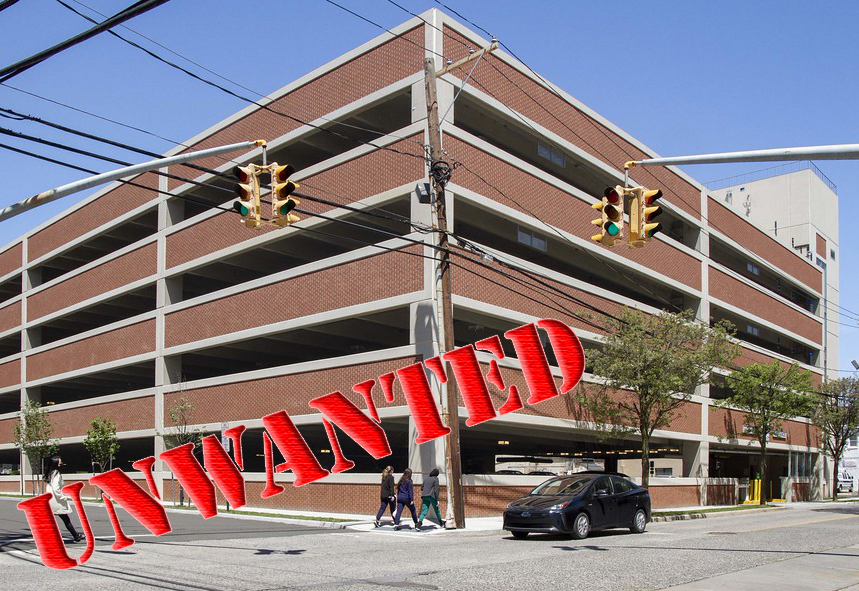
New York City voters overwhelmingly support eliminating archaic rules that force developers to build parking that ruins cities, while also supporting dense, transit-oriented development by an even wider margin, according to a new poll released on Wednesday.
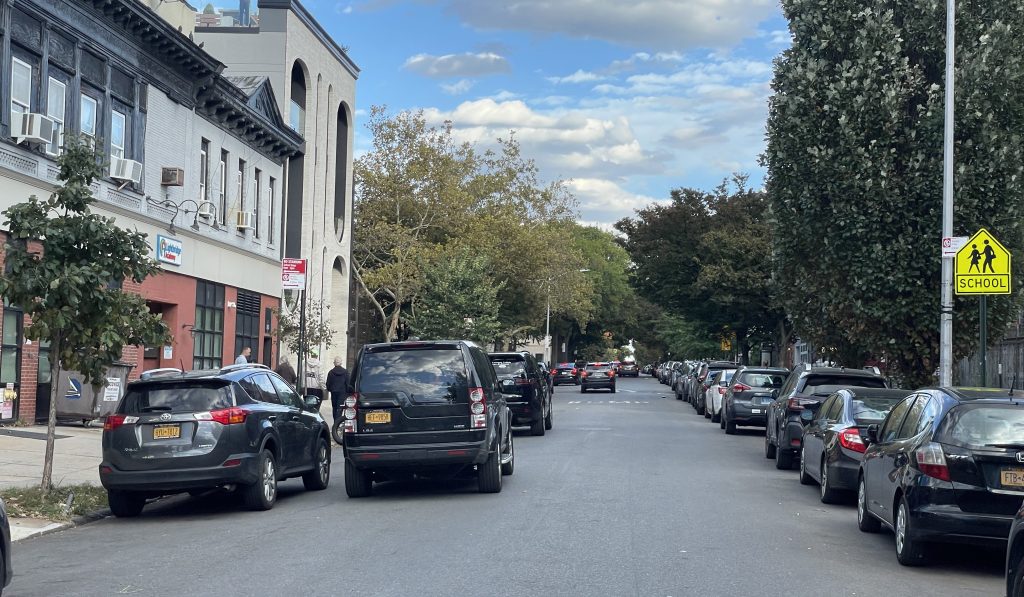
The survey, conducted by Slingshot Strategies for Open New York and Regional Plan Association’s New York Neighbors Coalition, found that 68 percent of New Yorkers want to do away with minimum parking requirements as part of new housing developments — a mandate that leads to more congestion, more pollution, less affordable housing and higher construction costs that are passed along to tenants, experts and advocates say.
The poll also showed that 83 percent of voters in the city support building denser development within half a mile of a subway station or any commuter rail station in the MTA coverage area of Long Island and the northern suburbs.
Nixing the parking requirements — in combination with encouraging building more density near transit — are no-brainers in order to reduce driving and rents, according Andrew Fine, the policy director of Open New York.
“What New Yorkers want is lower rents and less congestion. That’s what encouraging transit-oriented development does,” said Fine. “It’s the same reason why widening highways encourages more driving. If you make it easier to be a car owner, whether it’s prioritizing more space for driving, or more space for parking, that encourages people to have more cars.”
According to the poll, only 17 percent of those surveyed oppose eliminating parking requirements, while just 4 percent said they opposed dense transit-oriented development. New York City voters make up 35 percent of the 400 people surveyed statewide for the poll, which has a margin of error of plus or minus 3.5 percent.
The survey comes amid a push by advocates and some pols to end parking requirements. State Sen. Brad Holyman-Sigal (D-Manhattan) introduced legislation last year that would entirely eliminate off-street parking requirements in an attempt to encourage public transit and reduce car ownership. The bill is stuck in committee.

Over time, city officials have reduced mandatory parking minimums to reflect the imperatives of their era. In response to the 1970 Clean Air Act, mandatory parking rules were waived in Manhattan below 96th Street on the East Side and below 110th Street on the West Side; in 2016 as part of a push to develop inner ring neighborhoods, the rules were relaxed in Downtown Brooklyn and parts of Long Island City. The city’s Zoning for Quality and Affordability plan also eliminated parking minimums for fully affordable housing developments in transit-rich areas.
And in a 2018 neighborhood-wide rezoning in Inwood, the city also reduced parking minimums for all new developments.
In her 2022 State of the State, Gov. Hochul unveiled a plan to encourage density by giving the city the power increase floor-area ratio — a measurement of how large a building can be relative its lot size — in residential buildings. She didn’t touch on eliminating parking minimum, but did call for more transit-oriented development — and the two are connected, Hoylman said at the time.
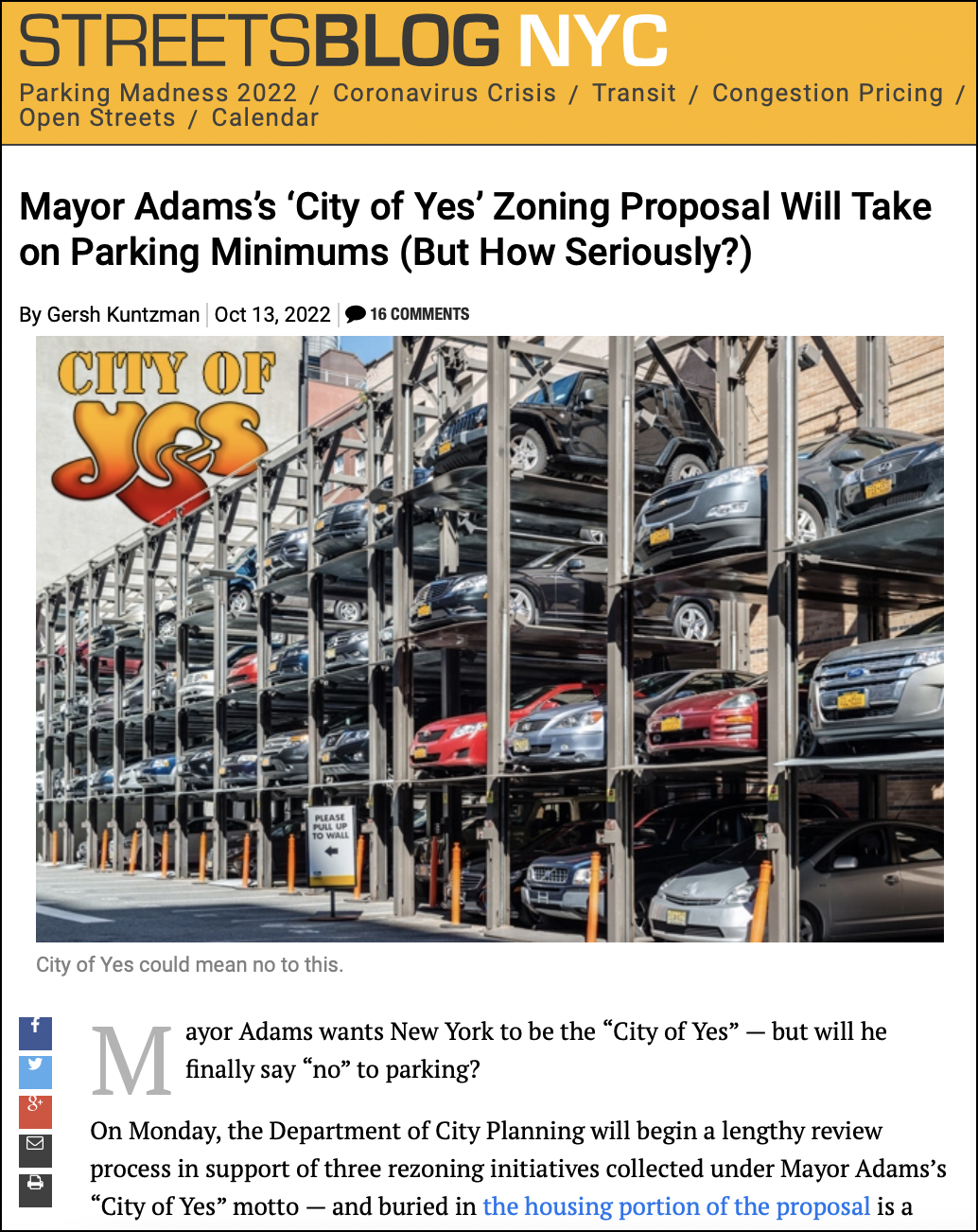
Similarly, under Mayor Adams’s “City of Yes” zoning proposal, the Department of City Planning started a lengthy review process in support of three initiatives, one of which is a provision to “prioritize people over parking to make streets safer, and reduce requirements to enable more of the housing, services, and amenities that help neighborhoods thrive.”

Streetsblog has migrated to a new comment system. New commenters can register directly in the comments section of any article. Returning commenters: your previous comments and display name have been preserved, but you'll need to reclaim your account by clicking "Forgot your password?" on the sign-in form, entering your email, and following the verification link to set a new password — this is required because passwords could not be carried over during the migration. For questions, contact tips@streetsblog.org.