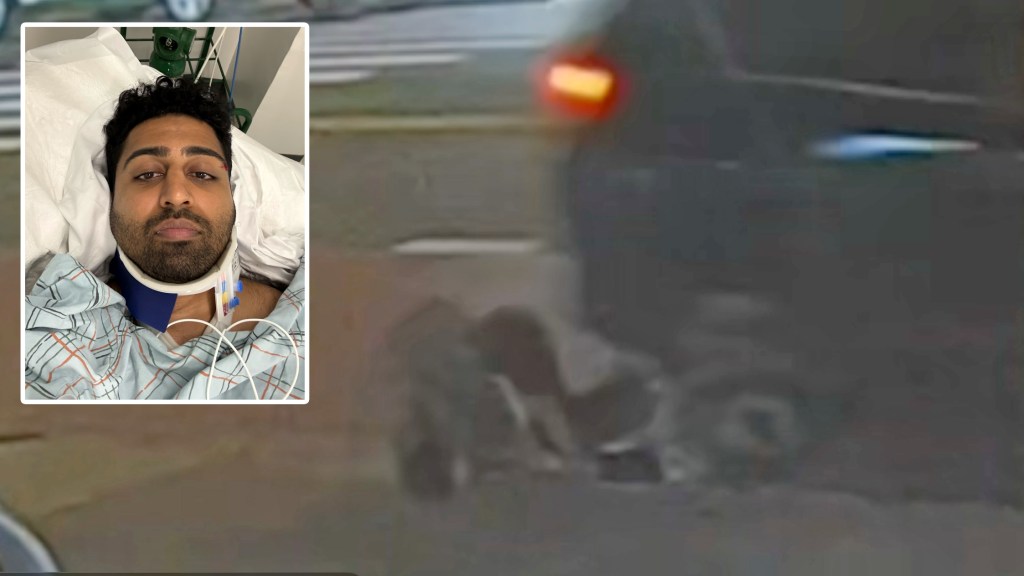
Cyclist Killed on Unprotected Part of Ninth Street Bike Lane in Brooklyn
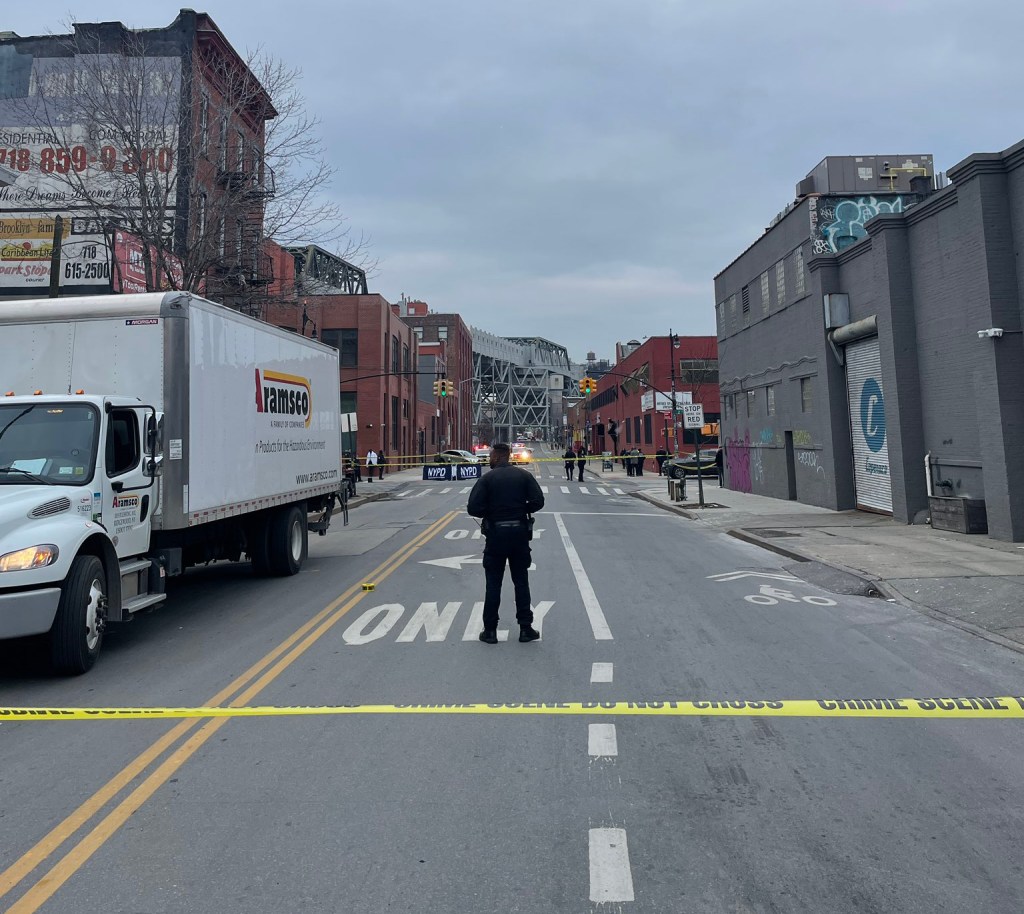
A cyclist has been killed by a truck driver along a notoriously dangerous stretch of Ninth Street in Gowanus — where a protected lane suddenly ends in an industrial zone and becomes sharrows, which offer no protection from vehicles.
Police said the crash — which occurred at 7:21 a.m.near the intersection of Ninth Street and Second Avenue — involved the 37-year-old woman on a new generation electric Citi Bike and a 39-year-old box truck driver. Cops are still investigating and could not initially say which directions the vehicles were traveling.
The victim died at the scene, police said.
A photo at the crash site suggests the cyclist and the truck (in the distance) were traveling eastbound, towards Prospect Park. An NYPD officer late confirmed the direction.
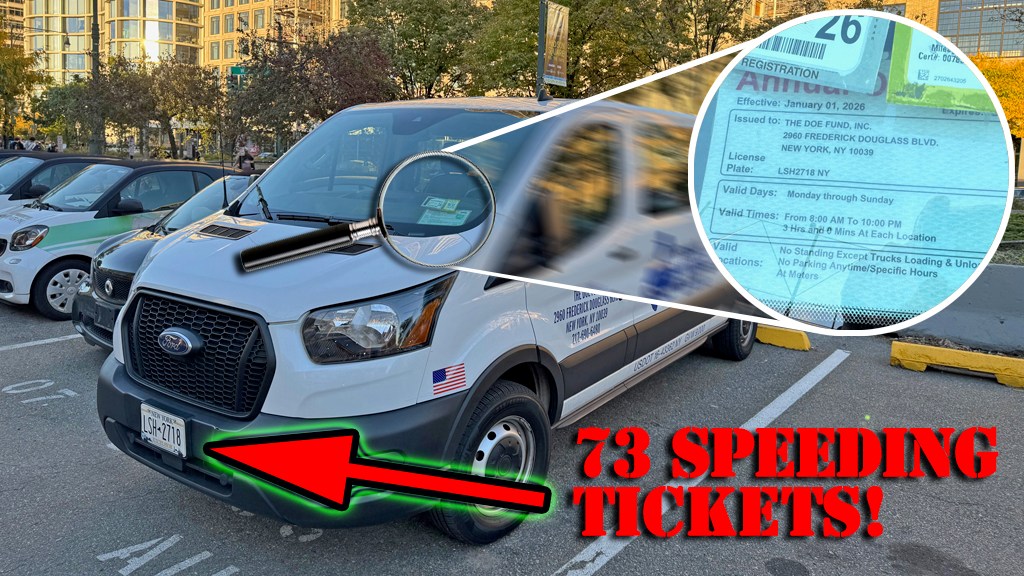
The truck associated with the crash has a long record of parking violations and was nabbed by city speed cameras twice in 2021, city records show.
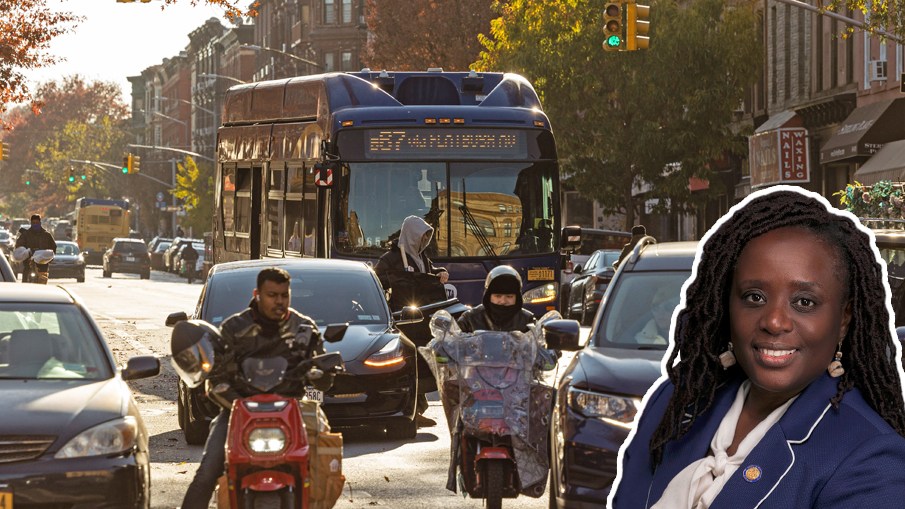
The death was initially reported by the area’s Council Member Shahana Hanif:
That stretch of roadway is a source of great angst for cyclists. Between Prospect Park and Third Avenue, cyclists have protected bike lanes on both sides of the roadway. But west of Third Avenue, where there is considerable truck traffic, neither side has a bike lane at all — a decision made by the Department of Transportation to preserve a small number of parking spaces. West of Second Avenue, a painted bike lane returns midway up the block. The crash apparently occurred in the unprotected, unpainted zone.
Eleven cyclists and six pedestrians were injured between Jan. 1, 2020 and Dec. 31, 2022 on the unprotected stretch between Third Avenue and Smith Street in 48 reported crashes, according to city stats.
“At the location of this crash, the design of Ninth Street creates dangerous conditions for bike riders,” Transportation Alternatives said in a statement. “Ninth Street goes from one car lane and one paint-only bike lane to a turn lane and a shared car/bike lane — prioritizing car volume over people. This forces vehicles to merge into the bike lane, which leads to deadly outcomes as occurred today.
“This is the fourth fatality within a half mile of this location since 2017 — two pedestrians, one motorist, and one bike rider have died,” continued the statement, which also cited research showing that bike riding increases among women when the city provides protected routes.
Hanif said she is meeting with Department of Transportation officials on Wednesday to discuss making that portion of the critical bike link between Park Slope and Carroll Gardens safer.
“We should not have to live this way,” she added.

Streetsblog has migrated to a new comment system. New commenters can register directly in the comments section of any article. Returning commenters: your previous comments and display name have been preserved, but you'll need to reclaim your account by clicking "Forgot your password?" on the sign-in form, entering your email, and following the verification link to set a new password — this is required because passwords could not be carried over during the migration. For questions, contact tips@streetsblog.org.