Skip to Content
Streetsblog New York City home
Log In
Carnage

ANALYSIS: Can New York Mandate Speed Governors on New Cars?

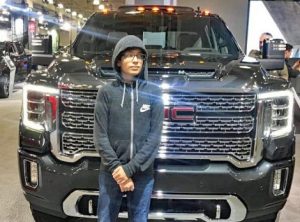
A state bill would proscribe SUVs, like this one, with huge blind spots. Can it pass muster? Photo: File

Advocates are cheering a first-in-the-nation New York bill that would mandate speed-limiting technology in new cars and would limit large passenger vehicles that have blind spots that endanger pedestrians and other vulnerable road users.

But does New York even have the authority to regulate cars this way? And would the law be doomed to a legal challenge from automakers or the federal government?

The answers to these questions are important as states seek to take up the slack in federal safety regulation, which has allowed the spread of oversized "assault" vehicles to push pedestrian deaths, which were falling until 1990, to a 40-year high.

Hoylman's bill seeks to mandate Intelligent Speed Assistance (sometimes called "flexible speed governors"), Autonomous Emergency Braking, and several other increasingly common safety technologies, on new cars registered here by 2024. It also would require vehicles over 3,000 pounds, such as SUVs and pick-up trucks, to have “direct visibility of pedestrians, cyclists and other vulnerable road users from the drivers position.” Hoylman said that the bill, which follows the adoption of similar standards in the European Union, could reduce traffic fatalities by 20 percent and prevent many crashes.

The senator's office said that its bill is on solid legal ground because the National Highway Traffic Safety Administration does not currently mandate those safety technologies on new cars — leaving room for states to legislate tougher standards. Staffers cited a federal statute, 39 U.S.C. § 30103(b)(1), which says that states are only precluded from enacting a vehicle safety standard different from a federal standard if the state standard is "applicable to the same aspect of performance" as the federal standard. No federal standard, no foul, in other words.

"We will continue to consult with legal experts to ensure we do not run afoul of federal law," a spokesperson told Streetsblog.

One legal expert who's written about auto safety, John Saylor, agreed with Hoylman's approach, because "there are whole areas of vehicle safety and equipment that the federal government simply doesn't regulate [so] there is no potential for conflict and states can regulate away."

Saylor noted that states regulate plenty of automotive equipment, like window tints and aftermarket exhaust systems — and, of course, California sets more stringent emissions standards than the federal government — the nation's most populous state, banned the sale of gasoline-powered vehicles by 2035. Saylor cited two Supreme Court cases involving the NHTSA to illustrate the point.

"Here, with the speed governors, I think there is a very solid argument that there is no preemption — although I would certainly expect a challenge," Saylor said. "As far as I know, NHTSA has never seriously considered speed governors and has certainly not said anything to the effect that speed governors are against federal policy.

Harvard researcher David Zipper, who has written about speed governors, found Saylor's arguments interesting — but not persuasive. "For one thing, California's ability to regulate car emissions is explicitly established in the Clean Air Act, and no state has similar authority to set its own safety standards separate from NHTSA," Zipper wrote in an email. "And, while it's true that states can regulate aftermarket vehicle-design elements like lifts and tinted windows, as far as I know those rules effectively circumscribe what a car owner can do — they don't force a state's car owners to install something like a speed limiter."

Zipper added, "If the bill starts to get traction in Albany I'm sure you'll hear from the industry and NHTSA challenging it — and if they're staying silent, it may be because they don't see it going anywhere."

The NHTSA told Streetsblog that it "does not comment on pending legislation," but insisted that it "believes the increase and inclusion of safety technologies in new motor vehicles can help reduce the number of pedestrian involved crashes, fatalities and injuries."

The agency said it initiated rule making last year on one technology that Hoylman's proposal would mandate — AEB — and hopes to make it standard in all passenger vehicles.

Sara Lind, policy director of Open Plans (a sister organization of Streetsblog) called Hoylman's bill "critical," if only to apply pressure to the NHTSA to enact stronger national standards. Still, Lind believes that the bill could stand on its own.

"The bill calls for the commissioner of motor vehicles to promulgate certain rules and regulations — that might look like higher registration fees for vehicles that fail to meet these standards," Lind said, pointing to the recent institution of steeply progressive registration charges for heavier vehicles in Washington, D.C.

The D.C. law, passed in May, raised the registration fee on vehicles weighing 6,000 pound or more to $500, up from $155 and roughly seven times the registration cost of a sedan. Cars from 5,000 to 6,000 cost $250 a year to register (also up from $155), while those from 3,500 to 5,000 pounds will pay $175 per year, up from $115. (By contrast, the top registration fee New Yorkers can pay on a passenger vehicle is $140 — for vehicles of almost 7,000 pounds.)

"It’s a good sign that state authorities are looking at specific metrics of risk posed by different vehicles," Caitlin Rogger, the executive director of D.C. Sustainable Transportation, told Streetsblog. "They’re recognizing they have a role to play in managing that risk to protect the public. It’s taken a long time to get here, and I hope other states lose no time in following suit."

Stay in touch

Sign up for our free newsletter

More from Streetsblog New York City

Streetsies 2025 (And Friday Video!): Vote for Your Favorite Clips of the Year

A New York Met, the birth of "No Kings," and Cuomo running a stop sign are just some of the best things we caught on camera this year.

December 26, 2025

Memo to Mamdani: Support the QueensLink for Better Mass Transit

The Rockaways needs the transit benefits of QueensLink. Our contributor hopes the new mayor puts his weight behind the concept.

December 26, 2025

Streetsies 2025: The Worst From Albany

Albany had its fair share of screw ups in 2025. Take a gander at the worst to come out of state government this year.

December 26, 2025

Streetsies 2025: The Best from Albany

It's that time of year again! Albany often disappoints, but state officials got a few things right, we guess...

December 26, 2025

Friday’s Headlines: Boxing Day Edition

Yesterday was Christmas, but we still have a full news digest for you today.

December 26, 2025

Thursday’s Headlines: Merry Christmas Edition

Day off today, but we'll be back tomorrow.

December 25, 2025
See all posts