What’s in the New ‘Climate’ Deal for Sustainable Transport — And What’s Not
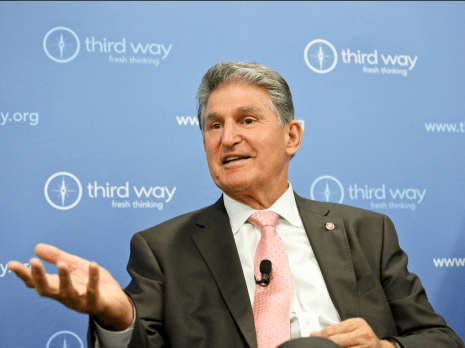
The Senate is on the brink of passing one of the most robust climate spending bills in U.S. history — but sustainable transportation advocates say it won’t do enough to confront the nation’s car dependency crisis or decarbonize the transportation sector.
In the wake of the decision by Sen. Joe Manchin (D-W.V.) to suddenly support an ambitious new reconciliation package that would invest more than $433 into the Biden administration’s core climate and healthcare agendas, advocates were focused on what’s notably absent: large-scale measures focused on decreasing Americans’ reliance on automobiles, which experts say is critical.
Crowther cautions that the new grant program isn’t perfect, and that advocates will need to be vigilant to make sure the money is put to its highest and best use. For instance, the program prohibits participants from adding new lane miles specifically for the benefit of single occupancy vehicles, but would allow them to build new carpool lanes with the money if they slapped a pedestrian bridge on top of it.
“It’s not airtight, and advocates are still going to need to push for transformative solutions like removing highways and replacing them with green space and city streets,” added Crowther. “There’s still a lot of nibbling around the edges in this bill, a lot of language about building sound barriers and other smaller projects that will improve quality of life, but don’t actually deal with the elephant in the room.”
Still, Crowther was heartened that the rest of the bill seemed to include no new money for highway building, even if things like high speed rail and new transit funding were stripped out, despite receiving around $10 billion each in the first draft of Build Back Better. With enough public outcry though, the Neighborhood Access and Equity Grants could be a big deal — but only if advocates stay vigilant and speak up.
“It’s still gonna take that sort of pressure to turn this into a transformative bill rather than a band-aid,” he said.
What’s next
Every sustainable transportation proponent we spoke to for this story emphasized that whatever the Inflation Reduction Act’s shortcomings, the legislation still hasn’t passed yet — and that means advocates still have time to influence the bill’s future, particularly if they’re repped by senators who are likely to force further negotiations, like Arizona Democrat Kyrsten Sinema.
“This is far from a done deal,” Crowther said. “Advocates still need to show up and push for what they want — because until there is that groundswell of public pressure that’s overwhelming and can’t be ignored, this bill could continue to waver back and forth, just like Build Back Better did.”
And even if this bill collapses, too, it’s important to remember that the federal government isn’t the only one that can impact our climate future — nor should they be the only ones that try.
“As frustrating as the structure of this reconciliation package is, it’s important to keep eyes on the prize and remember that no amount of incentives for a bike is worth more than protected bike lane,” added Zipper. “Creating safe places for people to walk and bike has historically been a state and local issue. This bill provides a modest tailwind for those efforts, and it underscores the need for cities and states to move even faster.”

Read More:
Streetsblog has migrated to a new comment system. New commenters can register directly in the comments section of any article. Returning commenters: your previous comments and display name have been preserved, but you'll need to reclaim your account by clicking "Forgot your password?" on the sign-in form, entering your email, and following the verification link to set a new password — this is required because passwords could not be carried over during the migration. For questions, contact tips@streetsblog.org.