London Imposes $16/Day Fee on Dirtiest Cars, And Sparks Debate Across the Pond
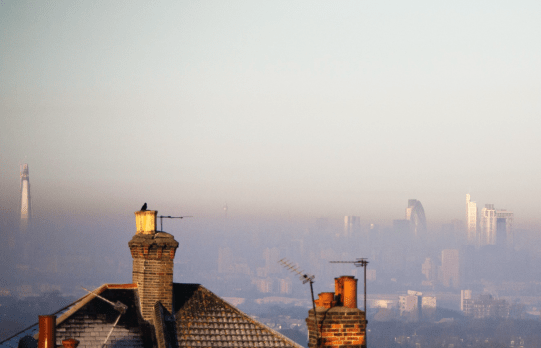
The Big Smoke is about to get a lot less smoky.
London’s decision to push past political opposition and impose appropriate fees on the highest-polluting drivers has some U.S. advocates wondering which of their leaders will have the courage to do the same.
London Mayor Sadiq Khan drew praise from sustainable transportation advocates when he announced last week that he would expand the city’s Ultra Low Emissions Zone to include the neighborhoods beyond the downtown core by 2023, a move which will subject motorists in the roughly 600-square-mile region to a raft of new fees.
In addition to the city’s famous congestion charges, which have been in place since way back in 2003, the drivers of older, dirtier cars will now be charged a flat $16.70 per day to move through the greater London area, and motorists with larger vehicles like diesel freight trucks will pay even more. That policy will effectively remove an estimated 20,000-40,000 vehicles from London’s roads every day — an important step towards achieving the city’s goal of achieving net zero emissions by 2030, which experts say will require a 27-percent reduction in car traffic by the end of the decade.
Public health experts also praised the legislation, which the mayor’s office said will save Londoners $13.6 billion by 2030 in collective healthcare costs to treat diseases caused by car pollution alone.
Justin Worland of Time Magazine cited San Diego’s battle as a microcosm of the chicken-and-egg problems facing city leaders who try to raise revenue for active and shared transportation by increasing the cost of driving. New taxes and fees, of course, do encourage motorists to get around by other means, but the green modes those travelers might choose instead simply aren’t safe, convenient, or viable right now; infrastructure and service upgrades, though, simply aren’t possible until the money comes in … from those same new revenue sources.
Over time, better pricing can deliver better sustainable transportation options that make car-free life a real option for all residents — but before that can happen, progressive transport leaders are often voted out by angry motorists, and their new policies are reversed.
“As energy prices rise at the same time that many governments are finally getting serious about climate change, lawmakers are facing an inescapable dilemma: effective climate policy requires raising the price of fossil fuels—and, by extension, the price of high-carbon products and services,” Worland wrote. “But raising prices is deeply unpopular among voters…Climate-minded politicians are left with no easy choice. Those who raise prices to enact climate action plans risk being thrown out of office; those who refuse to do so undermine effective policy and invite a world in which unchecked, catastrophic climate change levies a much greater, if more diffuse, cost on communities in the long run.”
We welcome the expansion of ULEZ to outer London. However, we need to encourage people to drive less rather than buy new cars.
In outer London we urgently need:
– Safe, convenient cycle routes ?
– Car clubs ?
– Secure residential cycle parking
– Promotion of car-free living— Healthy Streets for Harrow (@HealthyStHarrow) March 4, 2022
So far, Khan remains one of the rare leaders to resist pressure to scale back transportation reforms despite challenging political realities — especially among the subset of low income residents who are dependent on older, polluting cars they can’t afford to replace. He’s committed to increasing the city’s “scrappage” scheme (a sort of British edition of America’s perennial Cash For Clunkers programs), which will help poor drivers trade polluting cars for newer models that won’t be subject to daily charges in the Ultra Low Emissions Zone.
Stateside, economists like Michael Greenstone, the director of the University of Chicago’s Energy Policy Institute, told Worland that steep road user fees could be offset by rebates and other fee adjustments for people who truly need their cars. Others made the case for even broader packages of support services to aide the transition away from excess driving, like free bus passes, or even retraining for jobs that don’t require long commutes.
However they might choose to soften the financial blow to the most vulnerable, Khan is absolutely right that city leaders can’t put off addressing the real costs of car dependence any longer. And the sooner U.S. leaders start, the sooner they can direct those funds to building mobility options that will save everyone money in the long term — not to mention their health, happiness, and the planet itself.

Read More:
Streetsblog has migrated to a new comment system. New commenters can register directly in the comments section of any article. Returning commenters: your previous comments and display name have been preserved, but you'll need to reclaim your account by clicking "Forgot your password?" on the sign-in form, entering your email, and following the verification link to set a new password — this is required because passwords could not be carried over during the migration. For questions, contact tips@streetsblog.org.