Four Reasons to Hold Your Applause For Automakers’ Big EV Promises
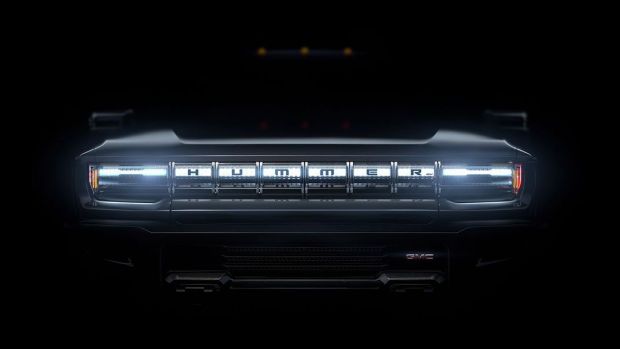
General Motors made waves when it announced last week that it would aim to manufacture only electric vehicles by 2035 — but advocates are skeptical that the move will have much of a climate impact without a slate of accompanying policy changes.
On its surface, the green news that the automaker behind many of our roadways’ most notorious environmental nightmares seems like a big shift. But the path that the nation’s largest car company (and its peers, should they follow suit) will need to take to net zero emissions will almost certainly be slow — and, besides, advocates fear that over-focusing on splashy electric vehicle efforts could draw the public’s focus from the quick carbon-cutting solutions such as investments in transit and active transportation that experts say are the most essential to saving the Earth.
Here are four reminders about why EVs are a harm reduction strategy rather than a real cure for our climate crisis — and why G.M., in particular, doesn’t deserve a standing ovation just yet.
1. Offering EVs allows automakers to sell more gas guzzlers
Even if every automaker introduced a range of electric vehicles to dealerships tomorrow, it might not make vehicle fleets any greener because car makers can complement those green new offerings with gas-guzzlers — as they’ve always done.
Many consumer don’t realize that the U.S. regulates its greenhouse gas emissions on the basis of an automaker’s average fuel efficiency across its entire fleet, rather than setting hard caps on the allowable emissions for individual automobile models. In practice, that means that every electric vehicle that GM introduces will give it a little more room to release a high-polluting vehicle that could erase the climate gains of the brand’s “green” offerings — and if last year’s record-setting truck and SUV sales are any indication, consumers are far more likely to go for the gas-guzzler.
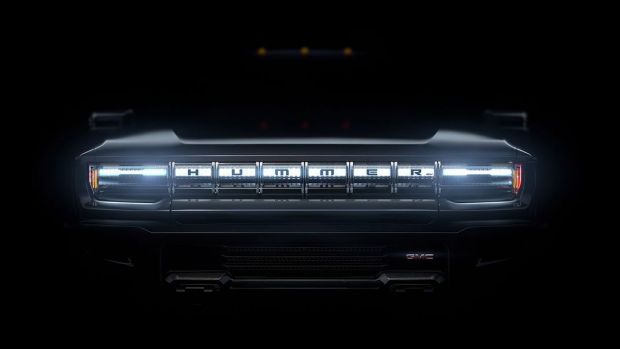
Put another way: the ostensibly net-zero electric Hummer could give GM legal license to sell an even dirtier original-recipe Hummer for the next 14 years if it wanted to.
And then there’s the problem of how to build a clean electric grid that could handle a massive influx of new EV drivers looking to fuel up. Experts think that it is possible to retrofit our existing grid to be cleaner, more powerful, and better at managing the unique, 24-hour energy demands of vehicle chargers. But it won’t be easy, and will take a massive federal investment that no one has yet been able to calculate.
General Motors’ big announcement mentioned that the company would work with charging company EVGo to bring 2,700 new fast chargers by the end of 2025, which is a modest start. But no automaker has yet stepped forward to help address the demands that electric vehicles would place on the grid if more Americans actually drove them.
We should absolutely still build out our national vehicle charging capacity, of course. But we simply can’t afford to do it at the expense of investing in cheaper, greener modes that won’t require us to retrofit the utility sector just to get off the ground.
4. Electric cars are still cars — and cars kill
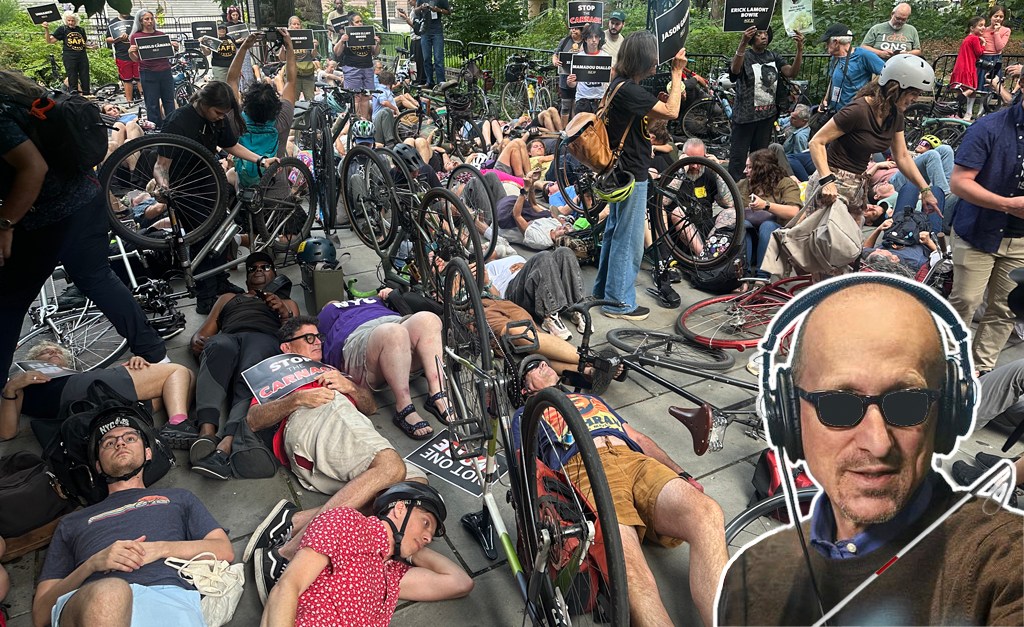
It cannot be repeated enough that while electric cars are an important harm reduction strategy for our climate crisis, the effort will do absolutely nothing to slow global crisis that’s killing millions every year: the traffic violence pandemic.
So yes: let’s give General Motors some tentative praise for volunteering to electrify its fleet before the government forces them to do it, as some think it inevitably will. But never forget that when it does, GM will still be selling a product that was involved in the preventable deaths of over 38,000 people in 2019 alone — and it will keep doing it until regulators force them to make cars safer for everyone, and until legislators adopt policies that make life without cars possible for more people.

Read More:
Streetsblog has migrated to a new comment system. New commenters can register directly in the comments section of any article. Returning commenters: your previous comments and display name have been preserved, but you'll need to reclaim your account by clicking "Forgot your password?" on the sign-in form, entering your email, and following the verification link to set a new password — this is required because passwords could not be carried over during the migration. For questions, contact tips@streetsblog.org.