Here’s Why Mixing Zones Scare People on Bikes So Much
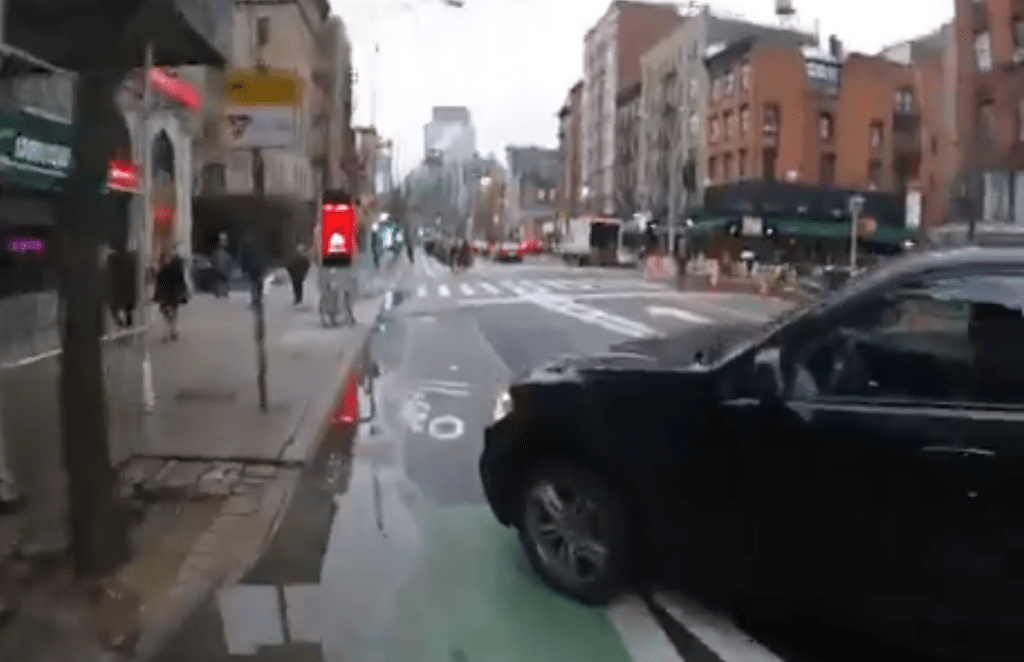
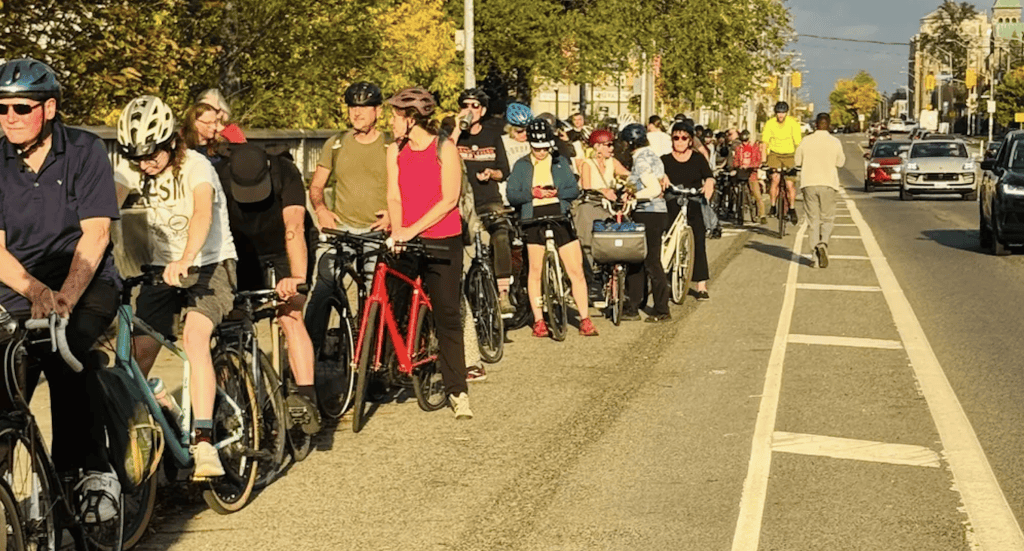
Along protected bike lanes, mixing zones are NYC DOT’s preferred design treatment at intersections where drivers can turn across the bikeway. Drivers are supposed to slow down and let passing cyclists proceed, but if the person behind the wheel is careless or impatient, the design doesn’t offer much in the way of protection — just ask Jonathan Warner.
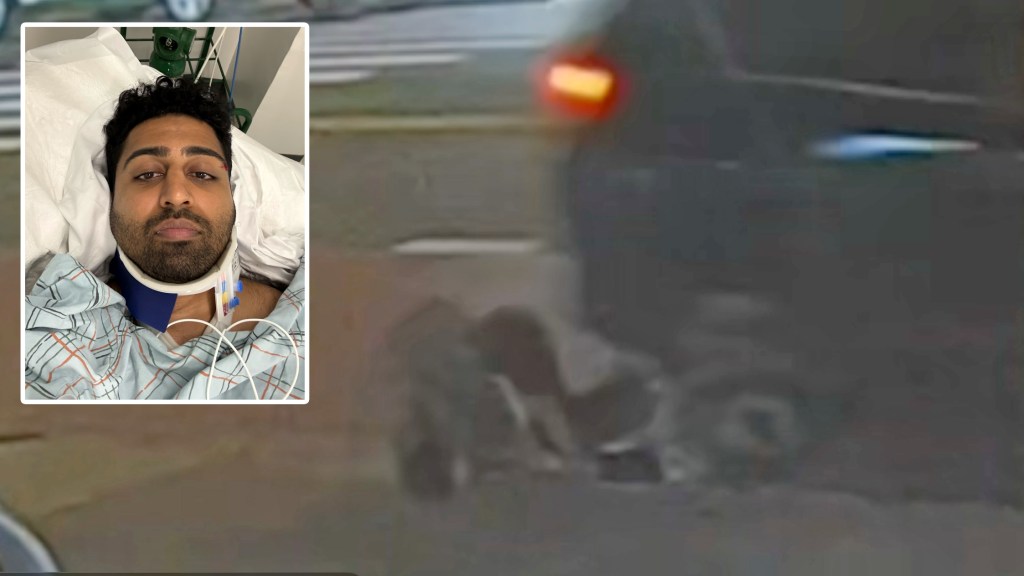
Warner was approaching Fourth Street in the Second Avenue bike lane yesterday when a driver veered into him across the mixing zone:
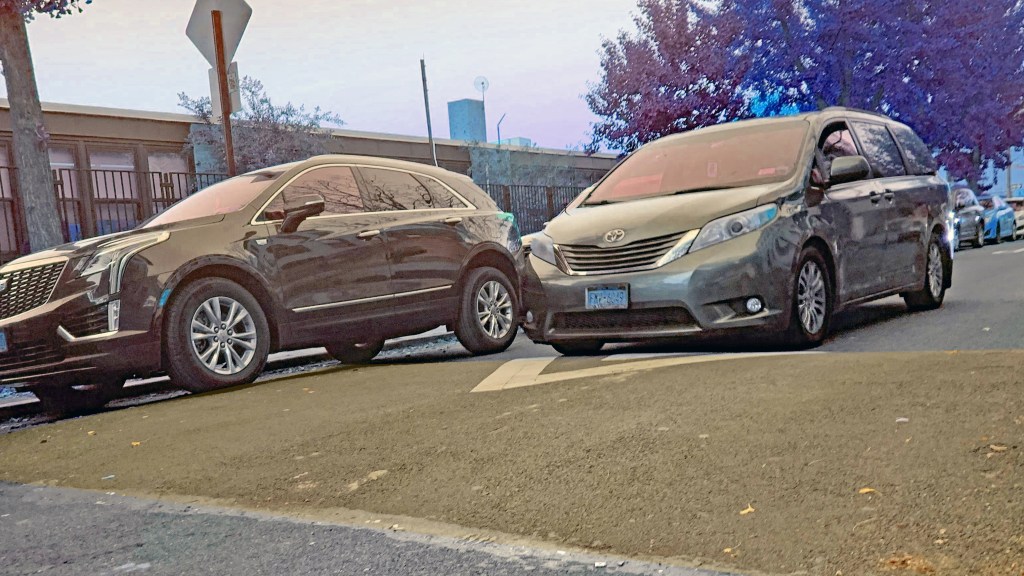
Mixing zones begin far ahead of the intersection in order to give motorists and cyclists a clear view of one another, but they often don’t function the way they’re intended. In Warner’s case, an illegally-parked construction vehicle obstructed the view of the approaching driver, who then veered into the path without yielding.
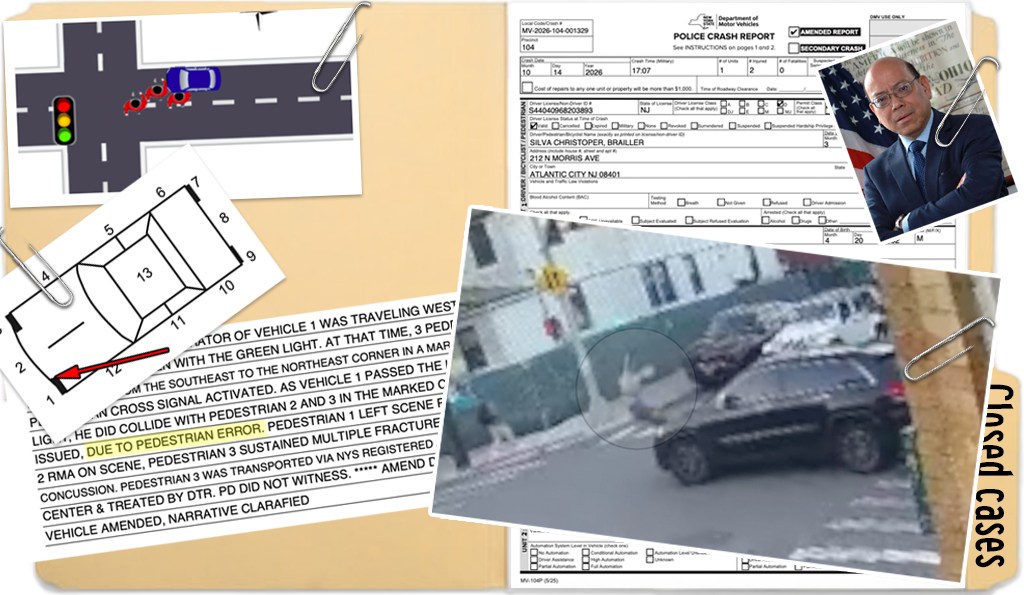
Intersections with mixing zones have a higher rate of cyclist injuries than those where cyclists and turning drivers each have a separate signal phase, and last year, a turning box truck driver killed Kelly Hurley in the mixing zone on First Avenue and Ninth Street.
DOT has taken some halting steps toward upgrading its bike lane intersection designs. The agency has piloted this design at a handful of Manhattan intersections:
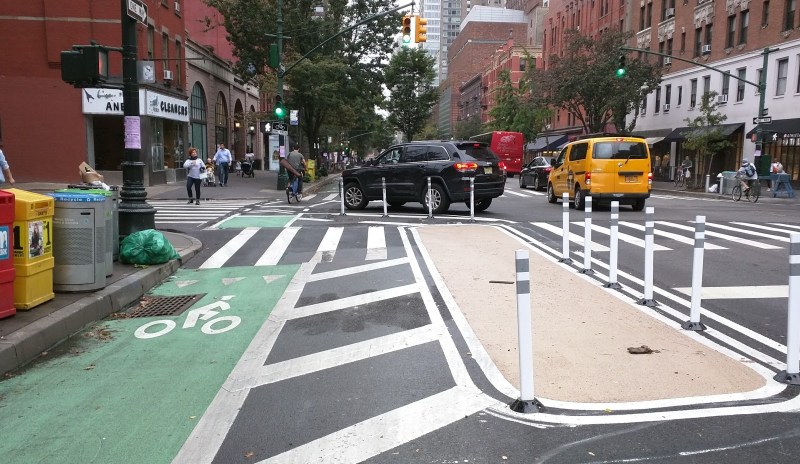
While projects like the upcoming redesign of Fourth Avenue call for similar treatments, DOT has hesitated to make this design standard.
So far, the agency has no plans to retrofit most Manhattan intersections with the design above. And last month, DOT Bicycle Program Director Ted Wright defended the inclusion of mixing zones in the agency’s plan for crosstown protected lanes, arguing that they would be safer on relatively low-speed side streets than on avenues.
On Twitter yesterday, Warner said even at lower speeds, mixing zones pose problems.
When crosstown protected bike lanes were presented to CB4, we told @NYC_DOT that mixing zones would be a problem. They said speeds are low, not an issue. The problem, as you can see, is not speeds of the cars, but the fact someone hooks into your path without warning.
— Jonathan Warner (@Jaxbot) February 25, 2018
DOT has said it will release full results of its study of bicycle intersection designs sometime this spring.
Read More:
Streetsblog has migrated to a new comment system. New commenters can register directly in the comments section of any article. Returning commenters: your previous comments and display name have been preserved, but you'll need to reclaim your account by clicking "Forgot your password?" on the sign-in form, entering your email, and following the verification link to set a new password — this is required because passwords could not be carried over during the migration. For questions, contact tips@streetsblog.org.