Trump’s Infrastructure Plan Is Just Another Con

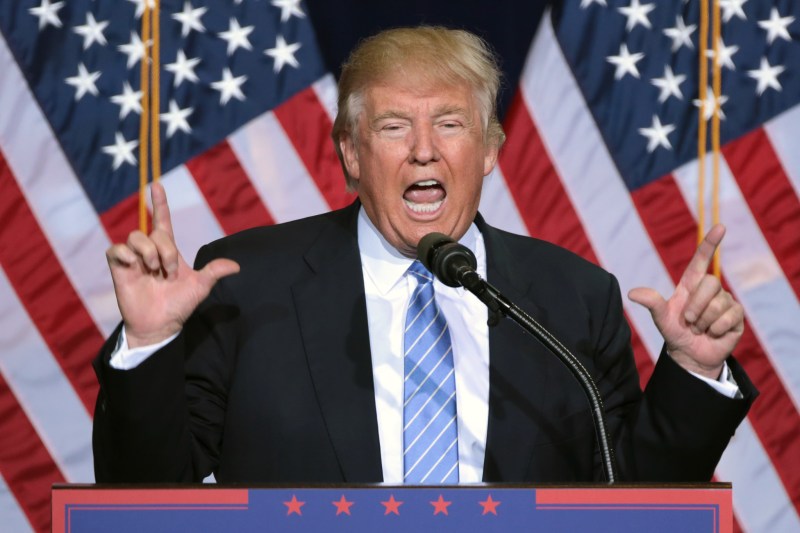
After more than a year of teasing a “trillion-dollar” infrastructure package, the Trump administration released the contours of a plan today. As expected, the White House outline does nothing to reform a half-century of highway-centric federal policy that has left America choking on traffic, with a transportation system that’s far deadlier than peer nations around the world.
The Trump proposal doesn’t even include new funding. It calls for $200 billion in federal spending on infrastructure over ten years, but that would come from cuts to other programs, according to a White House official cited by Time.
The administration plans to siphon resources from federal transit programs, which Trump singled out for cuts in his 2019 budget proposal, also released today. The budget calls for axing $3.7 billion for New Starts, the major source of federal funding for transit expansion projects.
All told, the Trump budget proposal would “cut more than $168 billion of Federal highway, transit, Amtrak, and water infrastructure funding over the next 10 years,” according to Representative Peter DeFazio, an Oregon Democrat and the ranking member of the House infrastructure committee.
While hacking away at transit and rail programs, the White House envisions controlling much more transportation funding itself, through a new discretionary grant program. Billions of dollars would be at the disposal of an administration that has already proven itself hostile to urban transit.
The infrastructure plan also includes an assortment of project “streamlining” measures intended to get highways built faster.
The White House, meanwhile, is trying to sell its plan as a legitimate infusion of resources — and a lot of the headlines today obediently parrot a talking point that the proposal will generate $1.5 trillion in infrastructure spending, mainly by inducing investments from state and local governments and the private sector.
City transportation agencies want no part of it though. In a statement, the National Association of City Transportation Officials called the funding measures in the Trump plan “smoke and mirrors,” criticizing the criteria for the White House grant program as “plucked from thin air.”
Infrastructure is an area where Trump and Democrats would supposedly work together to pass legislation, but the White House proposal isn’t winning over the opposition. Senate Minority Leader Chuck Schumer, a consistent booster of federal infrastructure spending, said the Trump outline “falls short.”
House Democrats seem to be even more opposed, though they have less influence than Schumer’s caucus. “This is not a real infrastructure plan—it is simply another scam, an attempt to sell our nation’s infrastructure and create windfall profit for Wall Street while rolling back environmental protections,” DeFazio said.

Read More:
Streetsblog has migrated to a new comment system. New commenters can register directly in the comments section of any article. Returning commenters: your previous comments and display name have been preserved, but you'll need to reclaim your account by clicking "Forgot your password?" on the sign-in form, entering your email, and following the verification link to set a new password — this is required because passwords could not be carried over during the migration. For questions, contact tips@streetsblog.org.